Hammers & Mallets

A hammer is the one tool you'll grab a dozen times a day, so buy one that hits clean, doesn't jar your wrist, and won't loosen up after a week.

On site you'll use different hammers for different jobs: a framing hammer for first-fix, a carpenters hammer for tidy second-fix, and a mallet hammer or rubber hammer when you can't mark the work. Get the right weight and handle shape and you'll drive nails straighter, pull fixings quicker, and stop chewing up timber and knuckles.

What Are Hammers Used For?

  • Driving nails and fixings on first-fix and general build work, where a framing hammer gives you the swing and face size to work fast without glancing off.
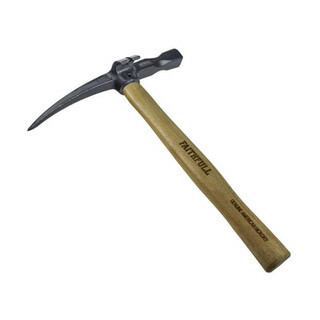
  • Pulling nails and lifting boards during refurbs and rip-out, where a claw or builders hammer saves you reaching for a bar for every little correction.
  • Setting joints and tapping trims into place without bruising the timber, where a wooden mallet or wooden hammer spreads the blow and keeps edges clean.
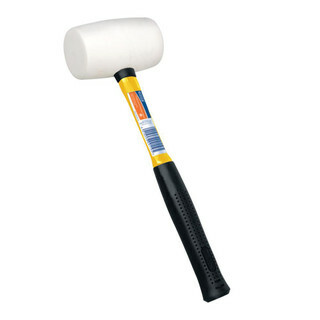
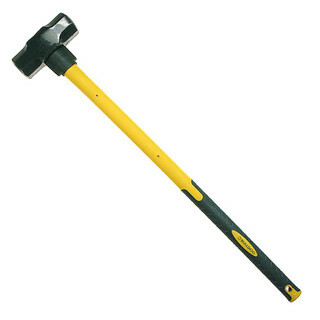
  • Seating paving, knocking formwork, or persuading stuck parts without sparking or denting metal, where a rubber hammer or steel mallet is the right call for controlled hits.
  • Working in tight spots like cupboards, loft edges, or between joists, where a mini hammer or lighter 20oz hammer gives you control when a full swing is not happening.

Choosing the Right Hammer

Sorting the right hammer is simple: match the head type and weight to what you hit all day, not what looks good on the shelf.

1. Claw vs Framing vs Specialist

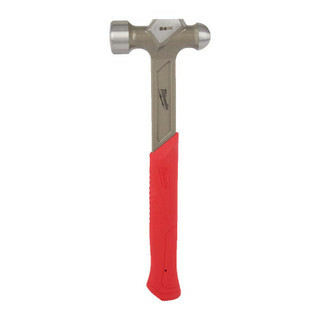
If you are doing mixed site work and want one a hammer to cover most jobs, a claw hammer is the sensible pick for driving and pulling nails. If you are on first-fix every day, go framing hammer for faster nailing and better reach. If you are fitting, setting, or protecting finishes, pick a wooden mallet or rubber hammer instead of battering the work with steel.

2. Weight and swing control

If you are driving big nails or working overhead all day, a 20oz hammer is a solid middle ground for speed without wrecking your elbow. If you are doing fine carpentry hammer work, go lighter for accuracy and fewer dents. If you are in tight areas, a mini hammer gives you control where a full-length handle just gets in the way.

3. Handle shape, grip, and shock

If your wrist and elbow feel it by lunchtime, look at the hammer handle design and grip first, because that is what you hold all day. A good handle should not twist in your hand, and it should take the sting out of missed hits without feeling spongy.

4. Face and durability

If you are working near finished timber, avoid aggressive faces that will leave marks. If you are striking metal or doing demolition and construction tools work, you want a head that stays tight and a face that does not mushroom or chip, because that is when bits start flying.

Who Uses These Hammers?

  • Chippies and joiners who keep a framing hammer for studwork and a joiners hammer or carpenters hammer for second-fix where accuracy matters.
  • Brickies and general builders who want a hammer that lives in the bucket, takes drops, and still drives pins and nails without the head working loose.
  • Groundworkers and landscapers who reach for a rubber hammer and steel mallet for setting edges, tapping blocks down, and moving kit without wrecking faces.
  • Maintenance teams who need a small, reliable hammer tools option for quick fixes, snagging, and awkward access jobs where a full-size swing is a pain.

Hammer Accessories That Save Time and Hands

A couple of small add-ons stop lost time, sore joints, and damaged work when you are swinging hammers every day.

1. Replacement hammer handle

If your hammer handle is cracked or the grip has gone slick, swap it before it fails mid-swing. It is cheaper than replacing a good head, and it stops the tool twisting when you are trying to hit clean in awkward positions.

2. Striking caps and soft faces

For mallet hammer and rubber hammer work, spare faces or caps keep you going when the originals get chewed up. You will be glad of them when you are fitting trims or setting joints and you cannot afford marks on finished surfaces.

Shop Hammers at ITS.co.uk

Whether you need a framing hammer uk style for first-fix, a best claw hammers option for all-round site work, or a wooden mallet for joinery, we stock the full range of hammers in all the common weights and patterns. It is all held in our own warehouse, in stock and ready for next day delivery so you can buy hammer today and be swinging tomorrow.

Hammer FAQs

What is the best hammer for professional use?

The best hammer for professional use is the one that matches your main work. For first-fix and fast nailing, a framing hammer is the workhorse. For mixed jobs and nail pulling, a quality claw carpenters hammer is the safest all-rounder. For joinery and finished timber, a wooden mallet or rubber hammer stops damage that a steel face will leave behind.

How do I choose the right hammer?

Pick the head type first, then the weight. If you are pulling nails a lot, you want a claw. If you are driving nails all day, go framing. Then choose a weight you can swing accurately for a full shift, because a heavier head is only quicker if you are not missing and bruising the work.

What are the key features to look for in a hammer?

Look for a solid head-to-handle fit, a hammer handle that does not twist in your grip, and a face that suits the job so you are not marking timber or slipping off fixings. On site, comfort matters as much as strength, because a hammer that jars your arm will slow you down by the end of the week.

Is a steel mallet better than a rubber hammer?

They do different jobs. A steel mallet is for when you need a firm, positive hit on tougher materials and you are not worried about marking. A rubber hammer is for seating and tapping where you need control and you cannot afford dents, chips, or bruised edges.

Do I really need a framing hammer for carpentry?

Only if you are doing framing hammers work regularly, like stud walls, joists, and first-fix where speed matters. For second-fix and joinery hammer jobs, a carpentry hammer with better control is usually the smarter choice, because it is easier to place hits without marking the timber.

Read more

Hammers & Mallets

A hammer is the one tool you'll grab a dozen times a day, so buy one that hits clean, doesn't jar your wrist, and won't loosen up after a week.

On site you'll use different hammers for different jobs: a framing hammer for first-fix, a carpenters hammer for tidy second-fix, and a mallet hammer or rubber hammer when you can't mark the work. Get the right weight and handle shape and you'll drive nails straighter, pull fixings quicker, and stop chewing up timber and knuckles.

What Are Hammers Used For?

  • Driving nails and fixings on first-fix and general build work, where a framing hammer gives you the swing and face size to work fast without glancing off.
  • Pulling nails and lifting boards during refurbs and rip-out, where a claw or builders hammer saves you reaching for a bar for every little correction.
  • Setting joints and tapping trims into place without bruising the timber, where a wooden mallet or wooden hammer spreads the blow and keeps edges clean.
  • Seating paving, knocking formwork, or persuading stuck parts without sparking or denting metal, where a rubber hammer or steel mallet is the right call for controlled hits.
  • Working in tight spots like cupboards, loft edges, or between joists, where a mini hammer or lighter 20oz hammer gives you control when a full swing is not happening.

Choosing the Right Hammer

Sorting the right hammer is simple: match the head type and weight to what you hit all day, not what looks good on the shelf.

1. Claw vs Framing vs Specialist

If you are doing mixed site work and want one a hammer to cover most jobs, a claw hammer is the sensible pick for driving and pulling nails. If you are on first-fix every day, go framing hammer for faster nailing and better reach. If you are fitting, setting, or protecting finishes, pick a wooden mallet or rubber hammer instead of battering the work with steel.

2. Weight and swing control

If you are driving big nails or working overhead all day, a 20oz hammer is a solid middle ground for speed without wrecking your elbow. If you are doing fine carpentry hammer work, go lighter for accuracy and fewer dents. If you are in tight areas, a mini hammer gives you control where a full-length handle just gets in the way.

3. Handle shape, grip, and shock

If your wrist and elbow feel it by lunchtime, look at the hammer handle design and grip first, because that is what you hold all day. A good handle should not twist in your hand, and it should take the sting out of missed hits without feeling spongy.

4. Face and durability

If you are working near finished timber, avoid aggressive faces that will leave marks. If you are striking metal or doing demolition and construction tools work, you want a head that stays tight and a face that does not mushroom or chip, because that is when bits start flying.

Who Uses These Hammers?

  • Chippies and joiners who keep a framing hammer for studwork and a joiners hammer or carpenters hammer for second-fix where accuracy matters.
  • Brickies and general builders who want a hammer that lives in the bucket, takes drops, and still drives pins and nails without the head working loose.
  • Groundworkers and landscapers who reach for a rubber hammer and steel mallet for setting edges, tapping blocks down, and moving kit without wrecking faces.
  • Maintenance teams who need a small, reliable hammer tools option for quick fixes, snagging, and awkward access jobs where a full-size swing is a pain.

Hammer Accessories That Save Time and Hands

A couple of small add-ons stop lost time, sore joints, and damaged work when you are swinging hammers every day.

1. Replacement hammer handle

If your hammer handle is cracked or the grip has gone slick, swap it before it fails mid-swing. It is cheaper than replacing a good head, and it stops the tool twisting when you are trying to hit clean in awkward positions.

2. Striking caps and soft faces

For mallet hammer and rubber hammer work, spare faces or caps keep you going when the originals get chewed up. You will be glad of them when you are fitting trims or setting joints and you cannot afford marks on finished surfaces.

Shop Hammers at ITS.co.uk

Whether you need a framing hammer uk style for first-fix, a best claw hammers option for all-round site work, or a wooden mallet for joinery, we stock the full range of hammers in all the common weights and patterns. It is all held in our own warehouse, in stock and ready for next day delivery so you can buy hammer today and be swinging tomorrow.

Hammer FAQs

What is the best hammer for professional use?

The best hammer for professional use is the one that matches your main work. For first-fix and fast nailing, a framing hammer is the workhorse. For mixed jobs and nail pulling, a quality claw carpenters hammer is the safest all-rounder. For joinery and finished timber, a wooden mallet or rubber hammer stops damage that a steel face will leave behind.

How do I choose the right hammer?

Pick the head type first, then the weight. If you are pulling nails a lot, you want a claw. If you are driving nails all day, go framing. Then choose a weight you can swing accurately for a full shift, because a heavier head is only quicker if you are not missing and bruising the work.

What are the key features to look for in a hammer?

Look for a solid head-to-handle fit, a hammer handle that does not twist in your grip, and a face that suits the job so you are not marking timber or slipping off fixings. On site, comfort matters as much as strength, because a hammer that jars your arm will slow you down by the end of the week.

Is a steel mallet better than a rubber hammer?

They do different jobs. A steel mallet is for when you need a firm, positive hit on tougher materials and you are not worried about marking. A rubber hammer is for seating and tapping where you need control and you cannot afford dents, chips, or bruised edges.

Do I really need a framing hammer for carpentry?

Only if you are doing framing hammers work regularly, like stud walls, joists, and first-fix where speed matters. For second-fix and joinery hammer jobs, a carpentry hammer with better control is usually the smarter choice, because it is easier to place hits without marking the timber.
ITS Click and Collect Icon
What3Words:
Get Directions
Store Opening Hours
Opening times