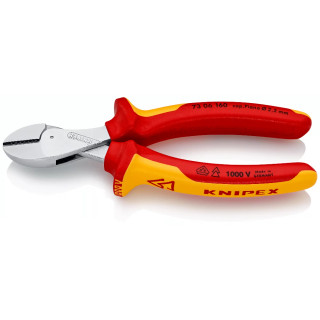
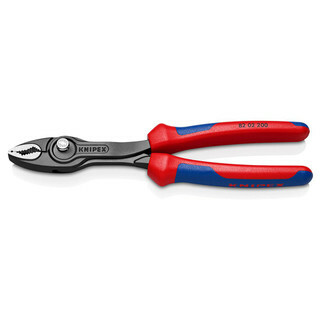
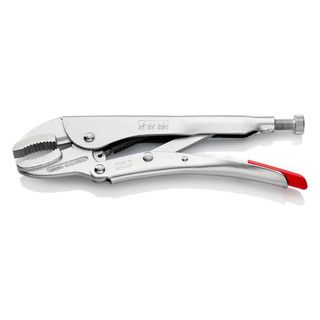
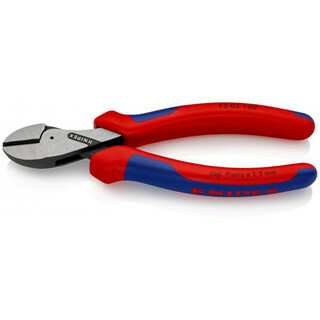
Knipex Pliers & Cutters
Knipex pliers wrench gives you smooth-jaw grip and spanner-like control without chewing fixings, while Knipex cutters make clean work of site snips.
If you're forever rounding nuts with cheap adjustables or fighting cutters that go blunt halfway through a job, this is the kit to look at. Knipex pliers wrench tools are a favourite with sparks, fitters and maintenance lads for gripping, holding and turning without marking chrome or brass, while Knipex cutters and Knipex wire cutters deal properly with cable, ties, pins and tough wire. If you need one-offs, start with Knipex Individual Pliers. If you're building out a van, have a look at Knipex Plier Sets and get the right hand tools sorted.
What Are Knipex Pliers Wrench and Cutters Used For?
- Tightening back nuts, compression fittings and locknuts in awkward spots is where a Knipex pliers wrench earns its keep, because the parallel jaws grip flat and stop you burring soft brass or chrome.
- Cutting cable ties, copper, soft wire and general fixings on first fix goes quicker with proper Knipex cutters, especially when you need a clean snip without twisting the material.
- Working on consumer units, trunking and control panels is easier when Knipex wire cutters give you controlled cutting at the tip, not the ragged crush you get from cheap pairs.
- Holding flats, gripping seized fittings and tweaking small components during plumbing, maintenance and mechanical jobs is exactly the sort of daily graft these tools are built for.
- Sorting pipework and rounded fasteners in wet plant rooms or cramped cupboards often calls for Knipex Water Pump Pliers when you need more bite and adjustment than a standard pair.
Choosing the Right Knipex Pliers Wrench
Sorting the right one is simple: match the jaws and size to the fittings you actually touch every day, not the odd job you might get once a month.
1. Small EDC Size vs Full Site Size
If you want something for service work, control panels or a pouch, go smaller so it actually stays on you. If you are regularly on pipework, plant and larger fixings, step up in length for more grip and leverage or you will just fight the tool.
2. Pliers Wrench vs Cutter
Do not buy a pliers wrench expecting it to replace proper cutting jaws. The pliers wrench is for gripping flats and turning without damage. If the job is mostly cable, ties, pins or wire, you need dedicated Knipex cutters instead.
3. Bare Tool Choice vs Set
If you already know the exact pattern you use every day, buy the single tool and keep it simple. If your work jumps from electrical to maintenance to pipe fitting, a Knipex cutter set or Knipex wrench pliers set saves repeat trips to the van.
4. Standard vs VDE Insulated
If you are an electrician or doing board work, do not cut corners and use standard handles. Go for VDE insulated versions where required. For plumbing, mechanical and bench work, standard handles are usually the better-value choice.
Who Uses These on Site?
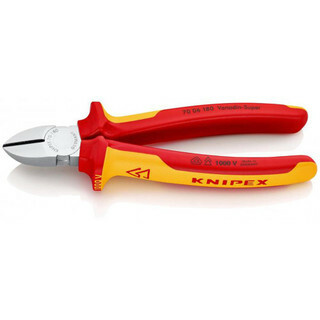
- Sparkies use Knipex cutters and VDE-rated pliers for stripping out, trimming tails and tidying panel work, because clean cuts and reliable insulation matter when you are working live-adjacent.
- Plumbers and heating engineers swear by the Knipex pliers wrench for valves, tap connectors and compression fittings, especially where a normal adjustable would mark the finish.
- Maintenance teams keep a Knipex wrench pliers set in the van for snagging, plant room fixes and shutdown work, because one set covers gripping, turning and cutting without filling the bag with duplicates.
- Mechanical fitters and fabricators reach for Knipex cutters and nippers when trimming wire, clips and pins, and they rely on the jaws staying true after plenty of hard daily use.
- For lads who spend half the week on pipe, fittings and seized unions, Knipex Cobra is the one they usually keep closest to hand.
Useful Extras to Back Up Your Knipex Hand Tools
A couple of sensible add-ons save time on site and stop the usual faff when one pair will not cover the whole job.
1. Plier Sets
A proper set stops you making do with the wrong jaws all day. If you are bouncing between panel work, fixings and pipe, a Knipex cutter set or mixed plier set means you have the right pair ready instead of forcing one tool to do everything badly.
2. Tool Pouches and Storage
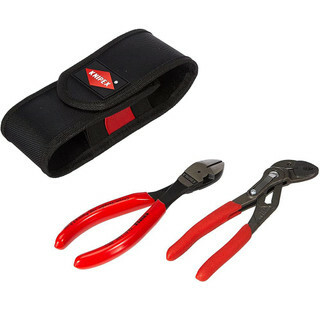
Good storage keeps edges from getting knocked about loose in the van and stops you wasting ten minutes hunting for one pair in a bottom tray full of mixed hand tools.
3. Water Pump Pliers
When the fitting is bigger, damp, rounded or covered in grime, standard pliers wrench jaws are not always the quickest answer. Adding a pair of water pump pliers gives you the bite needed for rougher plant room and site plumbing jobs.
Choose the Right Knipex Pliers Cutters for the Job
Use this quick guide to sort the tool type before you spend money twice.
| Your Job | Knipex Type | Key Features |
|---|---|---|
| Turning flat-sided nuts and fittings without marking them | Knipex pliers wrench | Parallel smooth jaws, adjustable opening, strong clamping action, kinder on chrome and brass |
| Snipping cable, copper and general site wire cleanly | Knipex cutters | Sharp cutting edges, controlled cut, less crushing, better for repeat daily use |
| Electrical install and board work | VDE insulated pliers and cutters | Insulated handles, trade-safe choice for electrical tasks, better suited to sparks |
| Gripping pipe, rounded fittings and seized nuts | Water pump pliers | More aggressive grip, wider adjustment, better bite on awkward shapes and wet surfaces |
| Van stock for mixed maintenance and call-out work | Knipex wrench pliers set | More sizes covered, less doubling up, quicker to match the tool to the fitting |
Common Buying and Usage Mistakes
- Buying one oversized pair for every job usually backfires, because big pliers are awkward in cupboards, panels and under sinks. Match the size to the space you actually work in.
- Using a pliers wrench as a cutter ruins the point of the tool and slows the job down. Keep gripping tools for turning and use proper Knipex cutters for anything you need to snip cleanly.
- Choosing standard handles for electrical work is a false saving. If you are working where insulated tools are required, buy VDE versions from the start and stay compliant.
- Going cheap on mixed cutters often means crushed wire, twisted cuts and sore hands by the end of the week. A decent Knipex cutter lasts longer and cuts cleaner under daily use.
- Leaving cutters loose in the van with other steel tools knocks the edges about and shortens their life. Store them properly so the jaws stay true and ready for work.
Pliers Wrench vs Cutters vs Water Pump Pliers
Knipex Pliers Wrench
Best when you need to grip flats and turn fittings without marking them. It is the tidy option for brass, chrome and finished parts, but it is not the right choice for pipe with muck, scale or rounded surfaces.
Knipex Cutters
Built for cutting, not gripping. If your day is mostly cable, wire, ties and small metal snips, these are the ones to buy. They are quicker, cleaner and easier on the hands than trying to improvise with combination pliers.
Knipex Water Pump Pliers
These are the rougher-grip answer for pipe, seized unions and wet fittings. They bite harder than a pliers wrench and suit plumbing and plant work, but they will mark finished surfaces if you are not careful.
Maintenance and Care
Wipe Them Down After Dirty Jobs
Dust, plaster, copper swarf and site grime all work into the joint over time. Give the tool a quick wipe after use so the action stays smooth and the jaws keep lining up properly.
Oil the Joint Lightly
A drop of light oil on the pivot now and then keeps movement free, especially if the pliers live in a damp van or get used outside through winter.
Protect the Cutting Edges
Do not chuck cutters loose with masonry bits, sockets and old fixings. The edges take knocks easily, and once they chip or roll you will feel it straight away in the cut.
Check Insulated Handles
If you are using VDE tools, inspect the insulation before the shift. Any splits, deep gouges or heat damage means that pair is for replacement, not another week on site.
Replace Worn Cutters Before They Cost You Time
If the tool starts crushing instead of cutting cleanly, or the jaws no longer meet properly, stop nursing it along. Worn cutters waste effort and leave rough work behind.
Why Shop for Knipex Pliers and Cutters at ITS?
Whether you need a single Knipex pliers wrench, dedicated Knipex cutters, Knipex wire cutters or a full Knipex wrench pliers set, we stock the proper range. That means sizes, types and sets for electrical, plumbing, fitting and maintenance work, all in our own warehouse and ready for next day delivery.
Knipex Pliers and Cutters FAQs
Does KNIPEX make wrenches?
Yes. KNIPEX makes the pliers wrench, which works like a spanner and pliers in one. The big advantage is the smooth parallel jaws, so you can grip nuts, flats and fittings firmly without chewing up finished surfaces.
What types of pliers and cutters does Knipex make?
Knipex covers pretty much the full hand tool spread for site and workshop use. That includes pliers wrench models, combination pliers, side cutters, end nippers, high leverage cutters, water pump pliers and insulated electrical patterns. If you want to compare cutting options directly, start with Knipex Cutters.
Are Knipex pliers available in VDE insulated versions?
Yes, plenty of Knipex pliers are available in VDE insulated versions. They are the right call for electrical installation and testing environments where insulated tools are required. Just make sure you are buying the actual VDE version, not the standard handle version that looks similar at a glance.
What is the difference between Knipex nippers and side cutters?
Nippers are generally for cutting closer to the surface or pulling and snipping things like ties, nails and wire ends, while side cutters are the more general all-round cutting tool for cable, copper and site wire. If you do a mix of work, side cutters usually get used more often day to day.
Which Knipex pliers are best for electrical work?
For electrical work, most sparks start with VDE side cutters, combination pliers and long nose pliers. The best choice depends on whether you are trimming tails, dressing panels or pulling cable, but insulated handles are the main non-negotiable.
Will a Knipex pliers wrench replace an adjustable spanner completely?
For a lot of daily fitting and maintenance work, yes, it often will. It grips better, adjusts quickly and is far less likely to slip off flats. That said, if you are working on deep-set nuts or need a very slim head shape, you may still keep a proper spanner handy.
Are Knipex cutters actually worth paying more for?
Yes, if you use them every day. The difference is in cleaner cuts, less hand strain and jaws that keep their shape longer. They are not magic, and abuse will still wreck them, but under normal site use they hold up far better than bargain-bin pairs.
Should I buy single pliers or a set?
If you already know exactly what you use, buy the single and save the money. If your jobs change from board work to plant rooms to call-outs, a set makes more sense. It gives you proper coverage without patching the bag together one emergency purchase at a time.