


Hikoki Pruners & Shears Hikoki Pruners & Shears

Hikoki Pruners & Shears

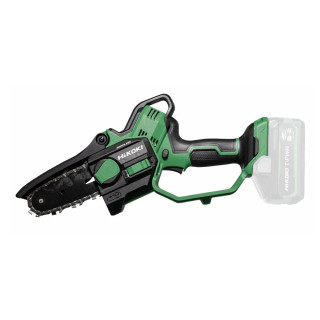
Hikoki pruners are for quick, clean cuts when you are thinning shrubs, shaping hedges, or knocking back overgrowth without wrecking your wrists.

When you are doing a full day of tidy-up or site clearance, blunt secateurs just crush stems and leave you fighting the tool. Hikoki secateurs and Hikoki garden shears are built to bite clean, keep control in tight spots, and get the job finished without tearing up the plant or your hands.

What Are Hikoki Pruners Used For?

  • Cutting back shrubs and small branches cleanly during property maintenance so you get a neat finish without ragged tears that invite disease.
  • Snipping and shaping around fences, paths, and planted borders where a saw is too aggressive and you need controlled, accurate cuts.
  • Deadheading and general garden tidy-ups on handover days, using Hikoki secateurs to get through repetitive cuts without your grip giving up early.
  • Trimming softer growth and stems with Hikoki garden shears when you need speed and a straight line, especially on light hedging and top growth.

Choosing the Right Hikoki Pruners

Pick pruners like you pick blades and bits, match them to the material and the amount of cutting you are doing, not what looks good in the van.

1. Secateurs vs Garden Shears

If you are taking individual stems and small branches, go Hikoki secateurs for a controlled, clean cut. If you are trimming lots of soft growth in one go and want a straight, even finish, Hikoki garden shears are the faster option.

2. Cut Size and What You Are Cutting

If you are regularly hitting thicker, woody stems, do not undersize the tool or you will end up crushing instead of cutting. For lighter pruning and green growth, a smaller, lighter pair is easier to control and less tiring over a long shift.

3. Comfort for Long Days

If your hands or wrists flare up after an hour, prioritise handle shape and a smooth action over anything else. A pruner that fits your grip properly is the difference between finishing the job and swapping hands every ten minutes.

Who Uses Hikoki Pruners on Site?

  • Grounds maintenance teams and landscapers who need reliable Hikoki secateurs for constant pruning, shaping, and clean-up across multiple plots.
  • Facilities and estate maintenance lads doing regular rounds, because Hikoki pruners are quick to grab for small jobs that do not justify dragging bigger kit out.
  • Site managers and handover crews sorting the final presentation, using Hikoki garden shears to tidy borders and knock back overgrowth before the client walk-round.

Pruner Accessories That Keep Cuts Clean

A couple of small add-ons make a big difference when you are cutting all day and want clean results without wrecking the blades.

1. Sharpening Stone or Hand Sharpener

This stops you forcing the cut when the edge dulls, which is what crushes stems and tires your hands out. A quick touch-up little and often keeps Hikoki pruners cutting clean instead of tearing.

2. Blade Oil and Cleaning Brush

Sap and grime build up fast and that is when pruners start sticking and feeling rough. A brush and a bit of oil keeps the action smooth and helps prevent rust if the kit lives in a damp van or shed.

3. Spare Blade or Replacement Parts

If you are on maintenance rounds, downtime costs you. Keeping a spare blade or service parts means a nicked edge or worn component does not take the tool out of action mid-job.

Shop Hikoki Pruners at ITS

Whether you need Hikoki pruners for regular maintenance, a fresh set of Hikoki secateurs, or Hikoki garden shears for fast tidy-ups, you can pick the right type for the work in one place. We stock the range in our own warehouse, ready for next day delivery so you are not waiting around when the job is booked in.

Hikoki Pruners FAQs

Are Hikoki pruners good for arthritis?

They can be, but it comes down to the handle shape, spring tension, and how smooth the action is. If you have arthritis, avoid stiff, small-handled pruners that make you pinch hard; go for Hikoki pruners that sit properly in your palm and cut cleanly without you having to force the blades through.

How do you sharpen Hikoki pruning shears?

Clean the blades first, then sharpen the cutting edge by following the existing bevel with a sharpening stone or suitable sharpener, using light, consistent strokes. Do not grind the flat side like you are making a new angle, because that is how you ruin the edge; finish by wiping down and adding a drop of oil so the action stays smooth.

Will Hikoki secateurs crush stems or give a clean cut?

If the blades are sharp and you are within the tool's cutting capacity, they will cut cleanly. Crushing usually happens when the edge is dull or you are trying to take material that is too thick, so keep them maintained and step up to the right tool when the wood gets heavier.

What is the quickest way to stop pruners sticking with sap?

Wipe the blades down as you go and give them a proper clean at the end of the day, because sap build-up is what makes the action feel rough and heavy. A quick brush-off and a light oiling keeps Hikoki garden shears and secateurs moving freely and helps prevent rust in storage.

Do I need secateurs or garden shears for general tidy-up work?

For mixed tidy-up work, most lads start with Hikoki secateurs because they handle precise cuts on stems and small branches without damaging the plant. Hikoki garden shears come into their own when you are doing lots of quick trimming on softer growth and want a straight, even finish.

Read more

Hikoki Pruners & Shears

Hikoki pruners are for quick, clean cuts when you are thinning shrubs, shaping hedges, or knocking back overgrowth without wrecking your wrists.

When you are doing a full day of tidy-up or site clearance, blunt secateurs just crush stems and leave you fighting the tool. Hikoki secateurs and Hikoki garden shears are built to bite clean, keep control in tight spots, and get the job finished without tearing up the plant or your hands.

What Are Hikoki Pruners Used For?

  • Cutting back shrubs and small branches cleanly during property maintenance so you get a neat finish without ragged tears that invite disease.
  • Snipping and shaping around fences, paths, and planted borders where a saw is too aggressive and you need controlled, accurate cuts.
  • Deadheading and general garden tidy-ups on handover days, using Hikoki secateurs to get through repetitive cuts without your grip giving up early.
  • Trimming softer growth and stems with Hikoki garden shears when you need speed and a straight line, especially on light hedging and top growth.

Choosing the Right Hikoki Pruners

Pick pruners like you pick blades and bits, match them to the material and the amount of cutting you are doing, not what looks good in the van.

1. Secateurs vs Garden Shears

If you are taking individual stems and small branches, go Hikoki secateurs for a controlled, clean cut. If you are trimming lots of soft growth in one go and want a straight, even finish, Hikoki garden shears are the faster option.

2. Cut Size and What You Are Cutting

If you are regularly hitting thicker, woody stems, do not undersize the tool or you will end up crushing instead of cutting. For lighter pruning and green growth, a smaller, lighter pair is easier to control and less tiring over a long shift.

3. Comfort for Long Days

If your hands or wrists flare up after an hour, prioritise handle shape and a smooth action over anything else. A pruner that fits your grip properly is the difference between finishing the job and swapping hands every ten minutes.

Who Uses Hikoki Pruners on Site?

  • Grounds maintenance teams and landscapers who need reliable Hikoki secateurs for constant pruning, shaping, and clean-up across multiple plots.
  • Facilities and estate maintenance lads doing regular rounds, because Hikoki pruners are quick to grab for small jobs that do not justify dragging bigger kit out.
  • Site managers and handover crews sorting the final presentation, using Hikoki garden shears to tidy borders and knock back overgrowth before the client walk-round.

Pruner Accessories That Keep Cuts Clean

A couple of small add-ons make a big difference when you are cutting all day and want clean results without wrecking the blades.

1. Sharpening Stone or Hand Sharpener

This stops you forcing the cut when the edge dulls, which is what crushes stems and tires your hands out. A quick touch-up little and often keeps Hikoki pruners cutting clean instead of tearing.

2. Blade Oil and Cleaning Brush

Sap and grime build up fast and that is when pruners start sticking and feeling rough. A brush and a bit of oil keeps the action smooth and helps prevent rust if the kit lives in a damp van or shed.

3. Spare Blade or Replacement Parts

If you are on maintenance rounds, downtime costs you. Keeping a spare blade or service parts means a nicked edge or worn component does not take the tool out of action mid-job.

Shop Hikoki Pruners at ITS

Whether you need Hikoki pruners for regular maintenance, a fresh set of Hikoki secateurs, or Hikoki garden shears for fast tidy-ups, you can pick the right type for the work in one place. We stock the range in our own warehouse, ready for next day delivery so you are not waiting around when the job is booked in.

Hikoki Pruners FAQs

Are Hikoki pruners good for arthritis?

They can be, but it comes down to the handle shape, spring tension, and how smooth the action is. If you have arthritis, avoid stiff, small-handled pruners that make you pinch hard; go for Hikoki pruners that sit properly in your palm and cut cleanly without you having to force the blades through.

How do you sharpen Hikoki pruning shears?

Clean the blades first, then sharpen the cutting edge by following the existing bevel with a sharpening stone or suitable sharpener, using light, consistent strokes. Do not grind the flat side like you are making a new angle, because that is how you ruin the edge; finish by wiping down and adding a drop of oil so the action stays smooth.

Will Hikoki secateurs crush stems or give a clean cut?

If the blades are sharp and you are within the tool's cutting capacity, they will cut cleanly. Crushing usually happens when the edge is dull or you are trying to take material that is too thick, so keep them maintained and step up to the right tool when the wood gets heavier.

What is the quickest way to stop pruners sticking with sap?

Wipe the blades down as you go and give them a proper clean at the end of the day, because sap build-up is what makes the action feel rough and heavy. A quick brush-off and a light oiling keeps Hikoki garden shears and secateurs moving freely and helps prevent rust in storage.

Do I need secateurs or garden shears for general tidy-up work?

For mixed tidy-up work, most lads start with Hikoki secateurs because they handle precise cuts on stems and small branches without damaging the plant. Hikoki garden shears come into their own when you are doing lots of quick trimming on softer growth and want a straight, even finish.

ITS Click and Collect Icon
What3Words:
Get Directions
Store Opening Hours
Opening times