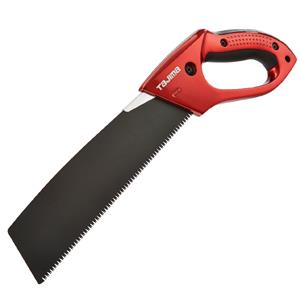
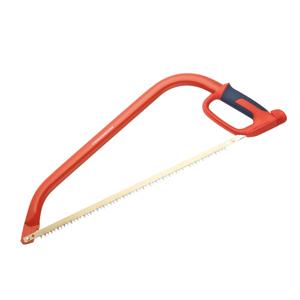
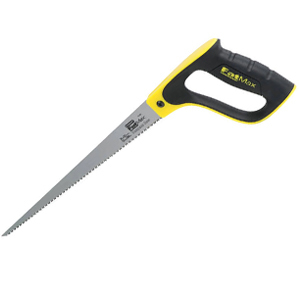
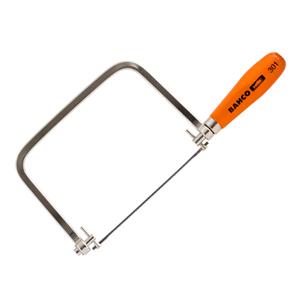
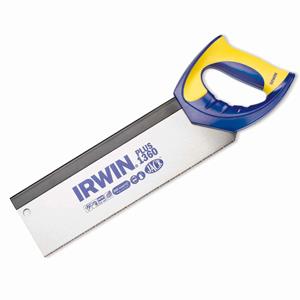
Saws

These saws are the backbone of any site work, providing precise cuts through timber, metal, and plastics. Whether you're roofing, framing, or doing finish carpentry, these saws deliver clean edges and reliable performance. Built to withstand site abuse, their ergonomic designs ensure comfort during extended use. Choose from a variety of blade types for specific tasks like ripping, crosscutting, or mitre work.

What Jobs Are Saws Best At?

  • Framing Quickly cuts through studs and joists for building walls and frames, ensuring straight lines every time.
  • Roofing Trims rafters and beams to size, allowing for precise fitting and secure construction.
  • Finish Carpentry Provides smooth, accurate cuts for skirting boards, mouldings, and trim work.
  • Metalwork Utilises specialised blades to slice through pipes and metal conduits cleanly.

Who Uses These Saws?

  • Carpenters and joiners needing precise cuts for framing and finish work.
  • Roofers crafting custom fits and angles on site.
  • Builders and general contractors who require versatile cutting tools for various site applications.
  • Metalworkers and electricians trimming metal pipes and conduits.

Choosing the Right Saw

Selecting the right saw depends on your specific job requirements and materials.

1. Blade Type

For wood, opt for a crosscut blade for smooth finishes or a ripping blade for fast cuts. Metal requires a specialised metal-cutting blade.

2. Power Source

Cordless saws offer mobility for site work without power access, while corded saws provide consistent power for heavy-duty tasks.

3. Saw Type

Circular saws are versatile for most tasks, while mitre saws excel at angle cuts, and jigsaws are perfect for intricate shapes.

Saw Accessories to Enhance Your Cutting

Extend the life and functionality of your saws with these essential accessories:

1. Saw Blades

Choose from a range of blades tailored for specific materials like wood, metal, or composite, ensuring the best cut every time.

2. Dust Extraction Kits

Keep your workspace clean and improve visibility by fitting your saw with a dust extraction system.

3. Saw Stands

Provide stability and support for your saws, especially when working with larger materials on site.

Saw FAQs

Can these saws handle both wood and metal?

Yes, with the correct blade, these saws can cut through wood and metal efficiently. Ensure you select the right blade for the material you're working with.

How do I maintain the blades for longer life?

Regularly clean and sharpen your blades to maintain their cutting edge. Store them in a dry place to prevent rust and damage.

What safety features should I look for in a saw?

Look for saws with features like blade guards, safety locks, and ergonomic handles to ensure safe operation during use.
Read more

Saws

These saws are the backbone of any site work, providing precise cuts through timber, metal, and plastics. Whether you're roofing, framing, or doing finish carpentry, these saws deliver clean edges and reliable performance. Built to withstand site abuse, their ergonomic designs ensure comfort during extended use. Choose from a variety of blade types for specific tasks like ripping, crosscutting, or mitre work.

What Jobs Are Saws Best At?

  • Framing Quickly cuts through studs and joists for building walls and frames, ensuring straight lines every time.
  • Roofing Trims rafters and beams to size, allowing for precise fitting and secure construction.
  • Finish Carpentry Provides smooth, accurate cuts for skirting boards, mouldings, and trim work.
  • Metalwork Utilises specialised blades to slice through pipes and metal conduits cleanly.

Who Uses These Saws?

  • Carpenters and joiners needing precise cuts for framing and finish work.
  • Roofers crafting custom fits and angles on site.
  • Builders and general contractors who require versatile cutting tools for various site applications.
  • Metalworkers and electricians trimming metal pipes and conduits.

Choosing the Right Saw

Selecting the right saw depends on your specific job requirements and materials.

1. Blade Type

For wood, opt for a crosscut blade for smooth finishes or a ripping blade for fast cuts. Metal requires a specialised metal-cutting blade.

2. Power Source

Cordless saws offer mobility for site work without power access, while corded saws provide consistent power for heavy-duty tasks.

3. Saw Type

Circular saws are versatile for most tasks, while mitre saws excel at angle cuts, and jigsaws are perfect for intricate shapes.

Saw Accessories to Enhance Your Cutting

Extend the life and functionality of your saws with these essential accessories:

1. Saw Blades

Choose from a range of blades tailored for specific materials like wood, metal, or composite, ensuring the best cut every time.

2. Dust Extraction Kits

Keep your workspace clean and improve visibility by fitting your saw with a dust extraction system.

3. Saw Stands

Provide stability and support for your saws, especially when working with larger materials on site.

Saw FAQs

Can these saws handle both wood and metal?

Yes, with the correct blade, these saws can cut through wood and metal efficiently. Ensure you select the right blade for the material you're working with.

How do I maintain the blades for longer life?

Regularly clean and sharpen your blades to maintain their cutting edge. Store them in a dry place to prevent rust and damage.

What safety features should I look for in a saw?

Look for saws with features like blade guards, safety locks, and ergonomic handles to ensure safe operation during use.
ITS Click and Collect Icon
Store Opening Hours
Opening times