Lasers, Detectors & Digital Measures
Laser measuring tools speed up setting out, quoting and snagging with fast, accurate readings for rooms, runs, openings and site checks.
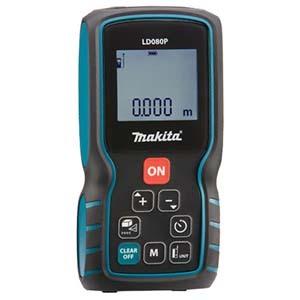
If you're still dragging a tape across empty plots, furnished rooms or awkward stairwells, you're making the job harder than it needs to be. A decent laser measure or laser distance meter gives you quick, repeatable readings for first fix, flooring, kitchens, estimating and handover checks. Look for clear screens, simple button layouts and enough range for the jobs you actually do, then get your laser measuring tools sorted.
What Are Laser Measuring Tools Used For?
- Setting out kitchens, stud walls and fitted furniture is far quicker with a laser measure when you need room widths, ceiling heights and opening sizes without a second pair of hands.
- Quoting for flooring, decorating or refurbs is easier with a digital distance measurer because you can grab fast wall, floor and ceiling dimensions while walking the job.
- Checking long corridor runs, plot dimensions or external spans saves time with a laser distance meter, especially where a tape sags, snags or needs someone holding the far end.
- Measuring awkward spaces like stairwells, over banisters or across occupied rooms is much more straightforward with laser measuring tools than trying to flick a tape through the air.
- Snagging and final checks on doors, openings and install positions are cleaner with digital measuring tools when you need quick confirmation before cutting, fixing or signing work off.
Who Uses These on Site?
- Sparkies use a laser distance measurer for quick cable run estimates, set-out checks and measuring ceiling heights before ordering containment or trunking.
- Chippies and kitchen fitters swear by a laser tape measure for room sizes, alcoves and long wall runs where cabinets and worktops need ordering right first time.
- Floor layers, decorators and estimators use laser measuring tools to price up rooms fast without dragging a tape through occupied properties all day.
- Plumbers and heating engineers keep a professional laser measure handy for pipe runs, plant room checks and measuring awkward service spaces where access is tight.
- Site managers and snagging teams use digital measuring tools for plot checks, opening sizes and making sure installed work lines up with what was ordered.
Choosing the Right Laser Measuring Tools
Sorting the right one is simple: match the range, screen and site conditions to the work you actually do.
1. Short Indoor Work vs Long Site Measurements
If you're mainly measuring kitchens, rooms and fit-out work, a compact laser measure with modest range will do the job nicely. If you're checking long hallways, plots or external spans, go for a laser distance meter with more range and better visibility so you're not maxing it out every other job.
2. Screen Clarity Matters More Than Fancy Menus
If you're using it in dusty rooms, low light or outdoors, pick a unit with a clear backlit screen and simple controls. There is no point having loads of functions if the readout is awkward to see or buried in menus when you're trying to work quickly.
3. Basic Distance vs Area and Volume Functions
If you just need lengths for cutting, ordering and set-out, a straightforward digital distance measurer is often enough. If you quote rooms, ceilings or floor areas all week, area and volume modes save time and cut down on scribbled sums on bits of plasterboard.
4. Indoor Only vs Mixed Indoor Outdoor Use
If the tool will live inside on fit-out and second fix, almost any decent laser tape measure will be fine. If you're in bright daylight, on plots or measuring elevations, choose one built for outdoor visibility and a longer usable range, otherwise the target point can become a pain to pick up.
The Basics: Understanding Laser Measuring Tools
These tools fire a laser to a target surface and calculate the distance back to the unit. The important bit is not the science, it is knowing what helps you get a clean reading on the job.
1. Point to Point Measuring
A laser measure reads from the tool body to the wall, floor or other surface you aim at. That makes it ideal for room sizes, ceiling heights and long runs where a tape bends, sags or needs another pair of hands.
2. Surface and Light Affect the Reading
Indoors, a laser distance measurer is usually quick and easy because the target is clear and the light is controlled. Outdoors, bright sun, reflective surfaces or very dark targets can make the dot harder to see, so range and screen quality matter more.
3. Extra Modes Save Time on Repeated Jobs
Many digital measuring tools do more than single lengths. Area, volume, continuous measuring and minimum or maximum readings help when pricing rooms, checking openings or working around awkward corners where a straight tape pull is a faff.
Choose the Right Laser Measuring Tools for the Job
Use this quick guide to match the tool to the way you measure on site.
| Your Job | Category or Type | Key Features |
|---|---|---|
| Measuring rooms, alcoves and kitchen spaces indoors | Compact laser measure | Quick single-button readings, backlit display, pocket size, sensible indoor range |
| Pricing flooring, decorating or refurb work | Digital distance measurer with area functions | Area and volume modes, memory storage, fast repeat measurements, easy screen readout |
| Checking long corridors, warehouses or plot dimensions | Long-range laser distance meter | Higher range, stable long-distance readings, clearer aiming point, durable site build |
| Working inside and outside through the week | Professional laser measure for mixed use | Good daylight visibility, robust housing, clear controls, reliable range indoors and outdoors |
| Snagging, maintenance and quick van-based checks | Basic laser tape measure | Simple distance reading, compact body, fast startup, easy to carry all day |
Common Buying and Usage Mistakes
- Buying purely on maximum range is a common mistake. If most of your work is indoor fit-out, a clear screen and simple controls will matter more day to day than a huge distance figure you rarely use.
- Using a basic indoor laser measure outside in bright sun catches plenty of people out. The tool may still work, but if you cannot see or confidently place the target point, measuring becomes slow and unreliable.
- Forgetting where the tool measures from leads to wrong readings. Always check whether the laser distance meter is referencing from the front, rear or a set point on the body before ordering materials or cutting anything.
- Relying on one quick reading from a poor target surface can throw your numbers off. On shiny, dark or awkward surfaces, take a second reading and confirm before you price or install.
- Choosing a model packed with functions you will never use often means slower work. If you just need fast distance checks, buy a straightforward digital distance measurer and keep it simple.
Laser Distance Meter vs Laser Tape Measure vs Tape Measure
Laser Distance Meter
Best for longer runs, room dimensions and quick repeat readings. It saves time on quoting and set-out, but for outdoor work you need enough range and a display you can actually read in daylight.
Laser Tape Measure
A good fit for general indoor trade work where speed matters more than specialist functions. It is easier to carry than bigger units and ideal for kitchens, flooring and snagging, but usually less suited to demanding external measuring.
Traditional Tape Measure
Still the right call for quick close-up checks, rough material marking and measuring around corners or edges you can physically hook onto. It is cheap and simple, but slower over distance and a nuisance when you are working alone.
Which One Should You Buy
If you quote, set out or measure rooms every day, buy laser measuring tools first and keep a tape on you for short checks. If you mostly mark and cut timber or sheet material at arm's length, a tape may still earn its place more often.
Maintenance and Care
Keep the Lens Clean
Dust on the laser window can affect visibility and make readings awkward. Wipe it down with a soft cloth after site use, especially after dusty refurb or first-fix work.
Store It Properly
Do not leave your digital measuring tools loose in the van under piles of gear. Keep them in their pouch or case so the screen and buttons do not get battered.
Check Battery Condition
Weak batteries can slow the unit down or cut readings mid-job. If the screen fades or performance drops off, swap batteries before you end up measuring twice and trusting neither result.
Watch for Knock Damage
A laser distance measurer will handle normal site use, but regular drops can knock accuracy or crack the housing. If readings start looking odd, test it against a known tape measurement before relying on it.
Replace Worn Units at the Right Time
If buttons stop responding, screens fail or readings become inconsistent, do not keep forcing it through important set-out work. For critical measurements, replacement is usually quicker and cheaper than a bad order or a recut.
Why Shop for Laser Measuring Tools at ITS?
Whether you need a compact laser tape measure for snagging or a long-range laser distance meter for bigger site checks, we stock the full range of laser measuring tools for real trade work. That means digital measuring tools in the specs, sizes and types trades actually use, all in our own warehouse and ready for next day delivery.
Laser Measuring Tools FAQs
What is the use of a laser measure?
A laser measure is used to take fast, accurate distance readings without stretching a tape across the job. It is handy for room sizes, ceiling heights, long wall runs, quoting, flooring, kitchen fitting and checking awkward spans when you are working on your own.
Can I use my phone as a laser measure?
You can use phone apps for rough estimates, but they are not a proper replacement for a laser distance meter on site. If you are ordering materials, setting out fitted work or pricing a job properly, use a dedicated tool you can trust.
How accurate are laser measuring tools?
Good laser measuring tools are very accurate for everyday trade use, especially indoors on clear target surfaces. In the real world, accuracy depends on the unit, the distance, the surface you are aiming at and whether the tool has taken a knock, so it is always worth double-checking critical measurements.
Are laser measures easy to use outdoors?
They can be, but outdoor use is where cheap or low-range units start to show their limits. Bright sunlight makes the laser point harder to see, so for external work you want enough range, a clear display and a model intended for mixed indoor and outdoor measuring.
Which laser measuring tool is best for indoor and outdoor use?
The best choice is usually a professional laser measure with solid range, clear screen visibility and simple controls. For indoor-only jobs, a compact model is often plenty. For both indoor and outdoor work, buy one with stronger long-range performance rather than the smallest unit on the shelf.
What range do I need in a laser distance meter?
Buy for the biggest jobs you do regularly, not the once-a-year oddity. If you mainly measure rooms and fit-out work, a shorter-range unit is fine. If you deal with large houses, long corridors, warehouse spaces or external spans, go longer so you are not working at the limit every time.
Are laser measuring tools better than tape measures?
For long distances, room measuring and one-person work, yes, they are usually quicker and less hassle than a tape. But a tape measure still earns its keep for quick close-up marking, hooked edge measurements and short checks at the bench or saw station. Most trades keep both.
What features should I look for in a laser measuring tool?
Look for enough range for your normal work, a clear backlit screen, simple buttons and useful modes like area, volume or continuous measuring if you will actually use them. A tough body and easy-to-read display matter more on site than loads of menu options you never touch.