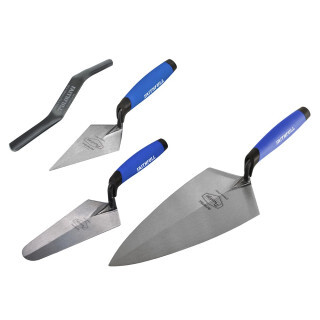
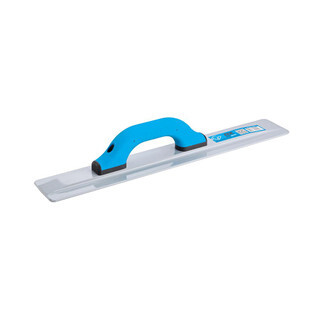
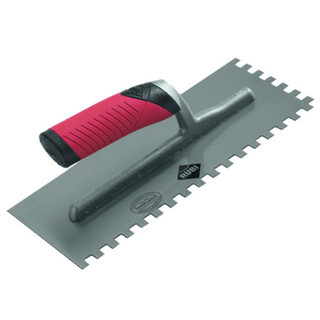
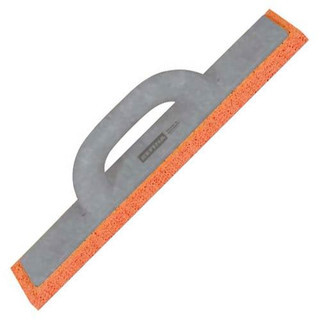
Trowels
Trowels are the bit of kit that make the finish, whether you're laying brick, ruling off plaster, bedding tile or smoothing fresh concrete.
Buy the shape for the job, not just what looks familiar. Brickies need blades that carry mortar cleanly, plasterers want flex and control, and tilers need the right notch to bed adhesive properly. You'll find Bricklaying Trowels, Plastering Trowels, Notched & Tiling Trowels and Concrete Floats here, plus the Plasterers & Brickies Tools that back them up. Pick the right trowels and the job goes on quicker, cleaner and with less fighting the finish.
What Are Trowels Used For?
- Laying brick and blockwork calls for masonry trowels that scoop, spread and butter mortar properly, so you are not dropping half the mix before it reaches the bed joint.
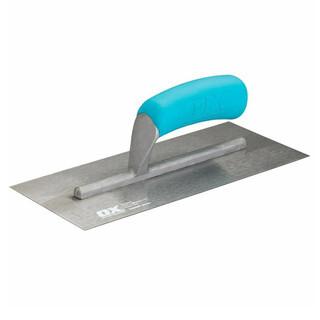
- Skimming walls and ceilings needs plastering trowels that give you control across the face, helping flatten coats, close in plaster and leave less snagging for the final pass.
- Bedding tiles in kitchens, bathrooms and commercial fit-outs relies on notched trowels to spread adhesive at the right depth, so coverage stays even and tiles sit properly.
- Pointing up brickwork, patching joints and working in tighter spots is where a pointing trowel earns its keep, especially when a full size blade is too clumsy near reveals or repairs.
- Finishing fresh concrete on slabs, paths and bays needs floats and finishing trowels that level the surface, close it up and help stop you leaving ridges or rough patches behind.
Choosing the Right Trowels
Sorting the right trowels is simple: match the blade shape and size to the material and finish you are actually doing.
1. Match the Trowel to the Trade
If you are laying bricks or blocks, go for masonry trowels or builders trowels with the right pattern for how you spread mortar. If you are skimming, use plastering trowels with a flatter blade. If you are tiling, buy the notch size the adhesive and tile format call for. One trowel will not do all of those jobs well.
2. Blade Material Matters
If you work wet a lot or leave tools in the van overnight, stainless steel trowels are easier to keep clean and less hassle with rust. Carbon steel can feel a bit stiffer and wear in nicely, but only if you look after it. If your kit gets rough treatment, stainless usually saves headaches.
3. Get the Size Right
A bigger trowel carries more material and covers ground faster, but it can be awkward in tight work or if you are not on the tools with it every day. Smaller pointing and finishing trowels give better control for detail work, patching and narrow joints.
4. Handle Comfort Is Not a Small Thing
If the handle twists in your hand or rubs after an hour, you will feel it by the end of the day. For full shifts on mortar, plaster or adhesive, pick hand trowels with a grip that suits how you work, especially if you are using them daily rather than for the odd repair.
Who Uses These on Site?
- Brickies use builders trowels and bricklaying trowels every day for spreading beds, buttering perps and keeping blockwork moving without wasting mortar.
- Plasterers swear by the right hand trowels for skimming, flattening and polishing up finish coats, and most keep more than one blade on hand as the plaster firms up.
- Tilers reach for notched trowels to match adhesive depth to tile size, because the wrong notch leaves poor coverage and more chance of lipping or loose tiles later.
- Groundworkers and concreters use concrete floats and finishing trowels to level and close fresh pours, especially on paths, pads and slab edges where the finish shows.
- General builders and snagging teams keep pointing trowels in the bag for small repairs, patching joints and awkward work around corners, sills and existing brickwork.
Trowel Accessories That Save Time on Site
A few simple extras keep trowels working properly and stop small issues turning into a rough finish.
1. Hawks and Mortar Boards
If you are plastering or patching overhead, a hawk keeps material where you need it instead of dropping half of it on the floor. For brick and block work, a decent mortar board saves constant bending and keeps muck cleaner for longer.
2. Trowel Protectors and Storage
A nicked edge ruins a finish fast. Basic blade protection or proper tool storage stops your finishing trowels and plastering trowels getting knocked about in the van with the rest of the hand tools.
3. Jointing and Pointing Tools
Once the mortar is in, you still need to finish it properly. Jointing tools and smaller pointing gear help tidy up perps, beds and repair work without trying to force a full size trowel into gaps it was never meant for.
Choose the Right Trowels for the Job
Use this quick guide to narrow down the type you actually need.
| Your Job | Trowel Type | Key Features |
|---|---|---|
| Laying bricks and blocks all day | Bricklaying trowel | Longer blade, good mortar pickup, balanced handle and enough stiffness for repeated spreading and buttering. |
| Pointing joints and small repair work | Pointing trowel | Narrow blade for tight joints, better control around reveals, patching and awkward detail work. |
| Skimming plaster on walls and ceilings | Plastering or finishing trowel | Flat blade, smooth edges and the right flex for flattening, closing in and polishing the surface. |
| Spreading tile adhesive | Notched trowel | Correct notch pattern and depth for tile size and adhesive coverage, helping avoid hollow spots. |
| Smoothing fresh concrete | Concrete float or finishing trowel | Broad working face for levelling, closing the surface and reducing ridges on slabs and paths. |
Common Buying and Usage Mistakes
- Buying one general trowel for every trade usually ends in frustration, because bricklaying, plastering, tiling and concrete finishing all need different blade shapes to work properly.
- Choosing the wrong notch size for tiling can leave poor adhesive coverage or too much squeeze up, so always match the notch to the tile format and adhesive spec.
- Leaving carbon steel trowels dirty after use is a quick way to get rust and rough edges, which then drag through mortar or plaster and mark the finish.
- Using an oversized trowel for tight repairs or narrow joints makes the work slower, not faster, because you spend more time fighting the tool than placing material cleanly.
- Throwing finishing trowels loose in the van knocks the edges about, and once the blade is damaged you will see lines and marks in the surface you are trying to finish.
Bricklaying Trowels vs Pointing Trowels vs Finishing Trowels
Bricklaying Trowels
These are for moving mortar efficiently on brick and block work. They carry more material and suit full bed and perp work, but they are too broad and clumsy for neat joint repairs or fine finishing.
Pointing Trowels
Pointing trowels are narrower and easier to control in tight spaces, making them the right call for repointing, patching and small detail work. They are not the best choice for laying full runs of brickwork because they do not shift enough mortar quickly.
Finishing Trowels
Finishing trowels are built to flatten and smooth surfaces such as plaster or concrete. They leave a cleaner face than a masonry trowel, but they are not made for scooping and placing mortar on wall builds.
Maintenance and Care
Clean Straight After Use
Do not let mortar, plaster or adhesive dry on the blade if you can help it. A quick rinse and wipe at the end of the job saves scraping later and keeps the working edge smoother.
Dry Carbon Steel Properly
If your trowel is carbon steel, dry it before it goes back in the box or van. A light wipe of oil now and then helps stop surface rust if it is seeing regular wet work.
Protect the Blade Edge
Keep finishing and plastering trowels separate from heavier hand tools. One knock against a bolster or lump hammer can leave burrs and flat spots that show up straight away in the finish.
Check Handles for Looseness
If the handle starts moving or cracking, sort it before the next shift. A loose handle throws off control and is more likely to fail when you are pushing into stiff mortar or adhesive.
Replace Worn Trowels When the Finish Starts Suffering
A trowel does not need to snap to be finished. If the blade is badly pitted, bent or worn unevenly, it will start dragging lines and leaving more work behind than it saves.
Why Shop for Trowels at ITS?
Whether you need a single pointing trowel for repair work or a full spread of builders trowels, plastering trowels, finishing trowels and concrete floats, we stock the range. It is all in our own warehouse and ready for next day delivery, so you can get the right hand trowels on site without hanging about.
Trowels FAQs
What type of trowel do I need for bricklaying, plastering, tiling or concrete?
Use a bricklaying trowel for mortar beds and perps, a plastering or finishing trowel for skimming and flattening, a notched trowel for spreading tile adhesive, and a concrete float or finishing trowel for closing and smoothing fresh concrete. Match the blade to the material and finish, otherwise the job turns into hard work for no gain.
What is the difference between a pointing trowel and a finishing trowel?
A pointing trowel is narrower and built for getting into joints, small repairs and awkward gaps. A finishing trowel is broader and flatter for smoothing plaster or concrete over a wider face. One is for placing material neatly in tight spots, the other is for leaving a clean surface behind.
Are stainless steel or carbon steel trowels better?
Both are good if they suit how you work. Stainless steel is lower fuss because it resists rust better and cleans up easier after wet jobs. Carbon steel can feel solid and wear in well, but it needs more care. If your tools live a hard life in the van, stainless is usually the safer bet.
What size trowel should I choose?
Go bigger if you are covering more area or moving more material, and smaller if the work is detailed or tight. Brickies often want enough blade to carry mortar efficiently, while pointing and repair work needs something shorter and easier to control. For tiling, the notch size matters as much as the trowel size because that sets adhesive depth.
How do I clean and maintain a trowel?
Wash mortar, plaster or adhesive off before it sets hard, dry the blade properly, and keep the edge protected in storage. Carbon steel wants a bit more care to stop rust, while stainless is easier going. If the blade gets nicked or bent, deal with it early or replace it before it starts wrecking the finish.