


Socket Sets & Sockets

Socket sets are what you reach for when bolts are tight, access is awkward, and spanners keep slipping. Proper sockets save time and rounded fixings.

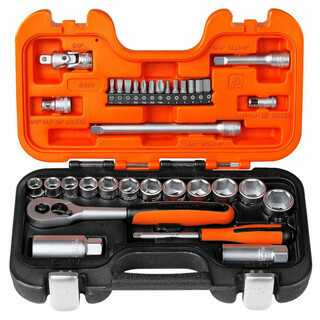
Whether you're under a bonnet, building plant, fitting brackets or stripping down site kit, a decent socket set earns its place fast. Go by drive size first, then choose a metric socket set, imperial socket set, or both if your work jumps between older gear and modern fixings. A good ratchet socket set should grip cleanly, take abuse, and cover the sizes you actually use day in, day out.

What Are Socket Sets Used For?

  • Tightening and removing nuts and bolts on vehicles, trailers, plant and machinery is where socket sets save the most time, especially when a spanner only gives you a few degrees of movement.
  • Working inside cupboards, engine bays, service voids and behind framework is easier with sockets and a ratchet because you can keep turning fixings where open-ended tools keep slipping off.
  • Assembling steelwork, brackets, unistrut, work benches and heavy fittings on site is quicker with the right socket set, particularly when you are repeating the same fixing size all day.
  • Stripping down pumps, generators, compressors and workshop kit for maintenance is a standard job for a 1/4 inch socket set or 1/2 inch drive socket set, depending on the fastener size and torque involved.
  • Dealing with mixed fasteners on older equipment or imported gear often means carrying both a metric socket set and an imperial socket set so you are not rounding heads with the wrong fit.

Who Uses These Socket Sets?

  • Mechanics and mobile fitters live on socket sets for engine work, suspension jobs, brake components and service work where speed and proper fit matter.
  • Plant engineers and agricultural engineers rely on sockets for larger, tighter fixings on machinery, trailers and site equipment where a 1/2 inch drive socket set is usually the starting point.
  • Sparkies, HVAC installers and maintenance teams keep a smaller ratchet socket set handy for panel work, containment brackets, plant room fixings and awkward access jobs.
  • Fabricators and steel erectors use sockets for assembling frames, supports and bolted sections where repeated tightening is part of the day and spanners slow everything down.
  • DIY users and home mechanics usually start with a metric socket set for car maintenance, bikes, household repairs and general garage work, then add specialist sizes as jobs grow.

Choosing the Right Socket Sets

Sorting the right socket set is simple: match the drive and socket type to the fixings you actually work on, not the biggest box for the money.

1. Pick the Drive Size First

If you are on smaller fixings, trim work, bike parts or dash panels, a 1/4 inch socket set is easier to control and gets into tighter spaces. If you are working on wheel nuts, plant, suspension parts or heavy brackets, go straight to a 1/2 inch drive socket set because a smaller drive will feel undergunned fast.

2. Metric or Imperial

If your work is mainly modern vehicles, site kit and most current fixings, a metric socket set will cover the bulk of it. If you work on older machinery, classic vehicles or mixed imported gear, keep an imperial socket set as well because forcing near-match sizes is how fixings get rounded.

3. 6 Point or 12 Point

If bolts are tight, corroded or likely to fight back, go with a 6 point socket set because it grips the flats better and is less likely to chew the head. A 12 point socket set is quicker to line up in awkward spots, but it is better kept for cleaner fixings and faster access work.

4. Buy for Missing Sizes, Not Just Piece Count

Do not get distracted by a massive number on the box if the set skips the common sizes you actually use. Check the range properly, make sure the ratchet feels solid, and look for sockets that cover the everyday sizes before you pay extra for filler pieces.

Socket Set Accessories That Save Time on the Job

A few proper add-ons make socket sets more useful, especially when access is poor or fixings are buried.

1. Extension Bars

These get you onto recessed nuts and bolts without skinning your hands or stripping half the job apart just for access. If you work in engine bays, cabinets or behind framework, you will use them constantly.

2. Universal Joints

When the ratchet cannot sit square to the fixing, a universal joint gets you round pipework, brackets and obstructions. It is the bit that stops a simple job turning into an hour of swearing.

3. Breaker Bars

Use one for stubborn or over-tight fixings instead of abusing your ratchet. It gives you proper leverage and saves wrecking the mechanism in a decent ratchet socket set.

4. Deep Sockets

If threaded studs or proud bolts are getting in the way, deep sockets are the answer. They stop you getting caught out when a standard socket will not seat fully on the nut.

Choose the Right Socket Sets for the Job

Use this quick guide to sort the drive and socket type before you buy.

Your Job Socket Set or Type Key Features
Dash panels, smaller brackets, bike repairs, light maintenance 1/4 inch socket set Compact ratchet, lower torque, better access in tight spaces, ideal for smaller fasteners
General garage work, service jobs, mixed household and vehicle tasks Metric socket set Covers common modern fixing sizes, practical for most cars, vans and site maintenance
Older machinery, classic vehicles, mixed imported equipment Imperial socket set Fits AF and imperial fasteners properly, avoids rounding near-match bolt heads
Wheel nuts, suspension parts, heavy plant and stubborn fixings 1/2 inch drive socket set Stronger drive, better leverage, suits larger sockets and higher torque work
Awkward access with cleaner fixings and quick alignment 12 point socket set Easier to engage in tight positions, faster to locate on the fixing, best on less damaged heads

Common Buying and Usage Mistakes

  • Buying on piece count alone is a common mistake because some big sets are padded with duplicates, bits or low-use sizes. Check the actual socket range first and make sure the sizes you use weekly are included.
  • Using imperial sockets on metric fixings, or the other way round, is a quick way to round bolt heads. If your work is mixed, keep both systems covered rather than forcing a close fit.
  • Using a ratchet to crack off seized fixings often wrecks the ratchet mechanism. Start stubborn bolts with a breaker bar, then switch back to the ratchet once it is moving.
  • Choosing a 12 point socket set for heavily tightened or corroded fasteners can lead to slipping and damaged heads. For tougher work, a 6 point socket set is usually the safer bet.
  • Buying too small a drive size for heavy work wastes time and strains the tool. If you are regularly leaning on fixings, move up to a 1/2 inch drive socket set instead of fighting with a light-duty set.

6 Point vs 12 Point vs 1/4 Inch Drive

6 Point Socket Set

This is the one for tight, rusty or high-torque fixings. It grips the flats better, is less likely to round heads, and suits heavier mechanical or site maintenance work.

12 Point Socket Set

A 12 point socket set is easier to offer up in cramped spots because it lines up faster. It is handy for speed and access, but not the best choice for battered or over-tight fasteners.

1/4 Inch Drive Socket Set

Best for smaller fixings and confined spaces where a full-size ratchet is overkill. It is ideal for lighter work, but it is not the set you want for seized bolts or heavy torque.

1/2 Inch Drive Socket Set

This is the workhorse for automotive, plant and heavy maintenance jobs. It handles larger sockets and more leverage, but it is bulkier where access is tight.

Maintenance and Care

Wipe Them Down After Dirty Work

If your sockets have been used on greasy plant, road dirt or wet outdoor jobs, wipe them before they go back in the case. It keeps markings readable and stops grime building up in the drive ends.

Keep the Set Complete

Put sockets back in the right slots after each job. Missing one common size can make the whole socket set a nuisance on the next call-out.

Look After the Ratchet

Keep the ratchet clean and do not use it as a breaker bar. If the mechanism starts sticking or skipping, service it if possible or replace it before it lets go under load.

Store Them Dry

Leaving sockets loose in a damp van or toolbox invites surface rust and lost pieces. A proper case keeps sizes organised and stops the set getting battered in transit.

Replace Damaged Pieces Early

If a socket is cracked, worn or starting to slip, bin it before it damages a fixing or your knuckles. One bad socket can ruin a straightforward job very quickly.

Why Shop for Socket Sets at ITS?

Whether you need a compact 1/4 inch socket set for lighter work, a full 1/2 inch drive socket set for tougher jobs, or both metric and imperial socket sets for mixed fixings, we stock the lot. Our range covers the key drive sizes, socket types and set formats trades actually use, all held in our own warehouse and ready for next day delivery.

Socket Sets FAQs

What is a 12 point socket set?

A 12 point socket set uses sockets with twelve internal contact points instead of six. The main advantage is quicker alignment on the fixing, which helps in cramped spots where you cannot swing the ratchet much. They are handy, but for really tight or damaged fixings a 6 point socket usually grips better.

How do I use a socket set?

Pick the socket that fits the nut or bolt snugly, clip it onto the ratchet or bar, and make sure it sits fully on the head before turning. Use the ratchet for normal tightening and loosening, but if the fixing is seized, crack it off with a breaker bar first so you do not wreck the ratchet.

Is it better to have a metric or imperial socket set?

For most modern vehicles, machinery and general site work, a metric socket set is the one you will reach for most. If you deal with older kit, classic cars or imported equipment, an imperial socket set is still worth having. The honest answer is use the system that matches the fixing exactly, not the one that is nearly right.

Are cheap socket sets worth it?

For occasional light DIY, a cheaper socket set can be enough. For trade use, repeated torque and daily van life usually show up the weak points fast, especially in the ratchet and the common socket sizes. Cheap sets often cost more in the long run when they slip, split or miss the sizes you actually need.

What size socket set do I need for DIY or automotive work?

For general DIY and lighter jobs, a 1/4 inch socket set covers smaller fixings and tighter spaces well. For most automotive work, many users end up with both 1/4 inch and 1/2 inch drive sets because one handles the smaller fittings and the other deals with bigger, tighter bolts. If you only buy one for garage work, a 1/2 inch drive socket set usually gives you broader usefulness.

What is the difference between 6 point and 12 point sockets?

6 point sockets grip the flats of the fixing more securely, so they are the better choice for higher torque, worn heads and stubborn bolts. 12 point sockets are quicker to line up and useful where access is awkward. If you do tougher mechanical work, 6 point is usually the safer everyday option.

Should I choose a 1/4 inch or 1/2 inch drive socket set?

Choose a 1/4 inch socket set for lighter fixings, finer work and tight access. Choose a 1/2 inch drive socket set for larger fasteners, higher torque and more demanding jobs on vehicles, plant or site equipment. If you regularly do mixed work, having both is not overkill, it just saves time.

Are socket sets suitable for professional use?

Yes, as long as you buy a set built for the kind of work you actually do. Trades and workshop users depend on socket sets every day for maintenance, fitting and strip-down work. The key is choosing the right drive size, proper coverage of common sizes, and a ratchet that can stand up to repeated use.
Read more

Socket Sets & Sockets

Socket sets are what you reach for when bolts are tight, access is awkward, and spanners keep slipping. Proper sockets save time and rounded fixings.

Whether you're under a bonnet, building plant, fitting brackets or stripping down site kit, a decent socket set earns its place fast. Go by drive size first, then choose a metric socket set, imperial socket set, or both if your work jumps between older gear and modern fixings. A good ratchet socket set should grip cleanly, take abuse, and cover the sizes you actually use day in, day out.

What Are Socket Sets Used For?

  • Tightening and removing nuts and bolts on vehicles, trailers, plant and machinery is where socket sets save the most time, especially when a spanner only gives you a few degrees of movement.
  • Working inside cupboards, engine bays, service voids and behind framework is easier with sockets and a ratchet because you can keep turning fixings where open-ended tools keep slipping off.
  • Assembling steelwork, brackets, unistrut, work benches and heavy fittings on site is quicker with the right socket set, particularly when you are repeating the same fixing size all day.
  • Stripping down pumps, generators, compressors and workshop kit for maintenance is a standard job for a 1/4 inch socket set or 1/2 inch drive socket set, depending on the fastener size and torque involved.
  • Dealing with mixed fasteners on older equipment or imported gear often means carrying both a metric socket set and an imperial socket set so you are not rounding heads with the wrong fit.

Who Uses These Socket Sets?

  • Mechanics and mobile fitters live on socket sets for engine work, suspension jobs, brake components and service work where speed and proper fit matter.
  • Plant engineers and agricultural engineers rely on sockets for larger, tighter fixings on machinery, trailers and site equipment where a 1/2 inch drive socket set is usually the starting point.
  • Sparkies, HVAC installers and maintenance teams keep a smaller ratchet socket set handy for panel work, containment brackets, plant room fixings and awkward access jobs.
  • Fabricators and steel erectors use sockets for assembling frames, supports and bolted sections where repeated tightening is part of the day and spanners slow everything down.
  • DIY users and home mechanics usually start with a metric socket set for car maintenance, bikes, household repairs and general garage work, then add specialist sizes as jobs grow.

Choosing the Right Socket Sets

Sorting the right socket set is simple: match the drive and socket type to the fixings you actually work on, not the biggest box for the money.

1. Pick the Drive Size First

If you are on smaller fixings, trim work, bike parts or dash panels, a 1/4 inch socket set is easier to control and gets into tighter spaces. If you are working on wheel nuts, plant, suspension parts or heavy brackets, go straight to a 1/2 inch drive socket set because a smaller drive will feel undergunned fast.

2. Metric or Imperial

If your work is mainly modern vehicles, site kit and most current fixings, a metric socket set will cover the bulk of it. If you work on older machinery, classic vehicles or mixed imported gear, keep an imperial socket set as well because forcing near-match sizes is how fixings get rounded.

3. 6 Point or 12 Point

If bolts are tight, corroded or likely to fight back, go with a 6 point socket set because it grips the flats better and is less likely to chew the head. A 12 point socket set is quicker to line up in awkward spots, but it is better kept for cleaner fixings and faster access work.

4. Buy for Missing Sizes, Not Just Piece Count

Do not get distracted by a massive number on the box if the set skips the common sizes you actually use. Check the range properly, make sure the ratchet feels solid, and look for sockets that cover the everyday sizes before you pay extra for filler pieces.

Socket Set Accessories That Save Time on the Job

A few proper add-ons make socket sets more useful, especially when access is poor or fixings are buried.

1. Extension Bars

These get you onto recessed nuts and bolts without skinning your hands or stripping half the job apart just for access. If you work in engine bays, cabinets or behind framework, you will use them constantly.

2. Universal Joints

When the ratchet cannot sit square to the fixing, a universal joint gets you round pipework, brackets and obstructions. It is the bit that stops a simple job turning into an hour of swearing.

3. Breaker Bars

Use one for stubborn or over-tight fixings instead of abusing your ratchet. It gives you proper leverage and saves wrecking the mechanism in a decent ratchet socket set.

4. Deep Sockets

If threaded studs or proud bolts are getting in the way, deep sockets are the answer. They stop you getting caught out when a standard socket will not seat fully on the nut.

Choose the Right Socket Sets for the Job

Use this quick guide to sort the drive and socket type before you buy.

Your Job Socket Set or Type Key Features
Dash panels, smaller brackets, bike repairs, light maintenance 1/4 inch socket set Compact ratchet, lower torque, better access in tight spaces, ideal for smaller fasteners
General garage work, service jobs, mixed household and vehicle tasks Metric socket set Covers common modern fixing sizes, practical for most cars, vans and site maintenance
Older machinery, classic vehicles, mixed imported equipment Imperial socket set Fits AF and imperial fasteners properly, avoids rounding near-match bolt heads
Wheel nuts, suspension parts, heavy plant and stubborn fixings 1/2 inch drive socket set Stronger drive, better leverage, suits larger sockets and higher torque work
Awkward access with cleaner fixings and quick alignment 12 point socket set Easier to engage in tight positions, faster to locate on the fixing, best on less damaged heads

Common Buying and Usage Mistakes

  • Buying on piece count alone is a common mistake because some big sets are padded with duplicates, bits or low-use sizes. Check the actual socket range first and make sure the sizes you use weekly are included.
  • Using imperial sockets on metric fixings, or the other way round, is a quick way to round bolt heads. If your work is mixed, keep both systems covered rather than forcing a close fit.
  • Using a ratchet to crack off seized fixings often wrecks the ratchet mechanism. Start stubborn bolts with a breaker bar, then switch back to the ratchet once it is moving.
  • Choosing a 12 point socket set for heavily tightened or corroded fasteners can lead to slipping and damaged heads. For tougher work, a 6 point socket set is usually the safer bet.
  • Buying too small a drive size for heavy work wastes time and strains the tool. If you are regularly leaning on fixings, move up to a 1/2 inch drive socket set instead of fighting with a light-duty set.

6 Point vs 12 Point vs 1/4 Inch Drive

6 Point Socket Set

This is the one for tight, rusty or high-torque fixings. It grips the flats better, is less likely to round heads, and suits heavier mechanical or site maintenance work.

12 Point Socket Set

A 12 point socket set is easier to offer up in cramped spots because it lines up faster. It is handy for speed and access, but not the best choice for battered or over-tight fasteners.

1/4 Inch Drive Socket Set

Best for smaller fixings and confined spaces where a full-size ratchet is overkill. It is ideal for lighter work, but it is not the set you want for seized bolts or heavy torque.

1/2 Inch Drive Socket Set

This is the workhorse for automotive, plant and heavy maintenance jobs. It handles larger sockets and more leverage, but it is bulkier where access is tight.

Maintenance and Care

Wipe Them Down After Dirty Work

If your sockets have been used on greasy plant, road dirt or wet outdoor jobs, wipe them before they go back in the case. It keeps markings readable and stops grime building up in the drive ends.

Keep the Set Complete

Put sockets back in the right slots after each job. Missing one common size can make the whole socket set a nuisance on the next call-out.

Look After the Ratchet

Keep the ratchet clean and do not use it as a breaker bar. If the mechanism starts sticking or skipping, service it if possible or replace it before it lets go under load.

Store Them Dry

Leaving sockets loose in a damp van or toolbox invites surface rust and lost pieces. A proper case keeps sizes organised and stops the set getting battered in transit.

Replace Damaged Pieces Early

If a socket is cracked, worn or starting to slip, bin it before it damages a fixing or your knuckles. One bad socket can ruin a straightforward job very quickly.

Why Shop for Socket Sets at ITS?

Whether you need a compact 1/4 inch socket set for lighter work, a full 1/2 inch drive socket set for tougher jobs, or both metric and imperial socket sets for mixed fixings, we stock the lot. Our range covers the key drive sizes, socket types and set formats trades actually use, all held in our own warehouse and ready for next day delivery.

Socket Sets FAQs

What is a 12 point socket set?

A 12 point socket set uses sockets with twelve internal contact points instead of six. The main advantage is quicker alignment on the fixing, which helps in cramped spots where you cannot swing the ratchet much. They are handy, but for really tight or damaged fixings a 6 point socket usually grips better.

How do I use a socket set?

Pick the socket that fits the nut or bolt snugly, clip it onto the ratchet or bar, and make sure it sits fully on the head before turning. Use the ratchet for normal tightening and loosening, but if the fixing is seized, crack it off with a breaker bar first so you do not wreck the ratchet.

Is it better to have a metric or imperial socket set?

For most modern vehicles, machinery and general site work, a metric socket set is the one you will reach for most. If you deal with older kit, classic cars or imported equipment, an imperial socket set is still worth having. The honest answer is use the system that matches the fixing exactly, not the one that is nearly right.

Are cheap socket sets worth it?

For occasional light DIY, a cheaper socket set can be enough. For trade use, repeated torque and daily van life usually show up the weak points fast, especially in the ratchet and the common socket sizes. Cheap sets often cost more in the long run when they slip, split or miss the sizes you actually need.

What size socket set do I need for DIY or automotive work?

For general DIY and lighter jobs, a 1/4 inch socket set covers smaller fixings and tighter spaces well. For most automotive work, many users end up with both 1/4 inch and 1/2 inch drive sets because one handles the smaller fittings and the other deals with bigger, tighter bolts. If you only buy one for garage work, a 1/2 inch drive socket set usually gives you broader usefulness.

What is the difference between 6 point and 12 point sockets?

6 point sockets grip the flats of the fixing more securely, so they are the better choice for higher torque, worn heads and stubborn bolts. 12 point sockets are quicker to line up and useful where access is awkward. If you do tougher mechanical work, 6 point is usually the safer everyday option.

Should I choose a 1/4 inch or 1/2 inch drive socket set?

Choose a 1/4 inch socket set for lighter fixings, finer work and tight access. Choose a 1/2 inch drive socket set for larger fasteners, higher torque and more demanding jobs on vehicles, plant or site equipment. If you regularly do mixed work, having both is not overkill, it just saves time.

Are socket sets suitable for professional use?

Yes, as long as you buy a set built for the kind of work you actually do. Trades and workshop users depend on socket sets every day for maintenance, fitting and strip-down work. The key is choosing the right drive size, proper coverage of common sizes, and a ratchet that can stand up to repeated use.

ITS Click and Collect Icon
What3Words:
Get Directions
Store Opening Hours
Opening times
