




Screwdrivers
Screwdrivers are the bits you reach for every day, from faceplates and terminals to hinges, ironmongery and snagging jobs across site.
If you're forever stripping heads or fighting awkward fixings, start with the right screwdriver for the screw in front of you. Manual screwdrivers still do most of the graft, insulated screwdrivers are the standard for electrical work, and long screwdrivers earn their keep when fixings are buried behind brackets, units or pipe runs. If you're building out a proper screwdriver set, get the mix right and buy for the jobs you actually do.
What Are Screwdrivers Used For?
- Tightening faceplates, socket fronts and consumer unit fixings is where insulated screwdrivers matter, especially when sparkies need safe, controlled fastening during second fix.
- Fitting hinges, handles, locks and other ironmongery on doors and cabinets is bread-and-butter work for manual screwdrivers with the right Phillips, flathead or Pozidriv tip.
- Reaching recessed screws behind pipework, inside service voids or at the back of kitchen units is exactly where long screwdrivers save your knuckles and speed the job up.
- Assembling flat-pack site furniture, plant covers, control boxes and access panels is quicker with electric screwdrivers when you've got repeat fixings all day.
- Adjusting terminals, small fixings and delicate components in controls, fittings or light repair work is better done with precision screwdrivers that do not chew the head out.
Who Uses These on Site?
- Sparkies rely on insulated screwdrivers for terminals, accessories and boards because they need safe grip and the right tip fit when working through first and second fix.
- Chippies and kitchen fitters keep manual screwdrivers close for hinges, handles, cabinet adjustments and all the little fixings where a drill would be too clumsy.
- Maintenance teams use screwdriver sets for everything from access panels and door hardware to plant covers, because odd jobs never come with just one screw type.
- HVAC fitters and plumbers reach for long screwdrivers when clips, covers and controls are tucked behind ducting, cylinders or boxed-in services.
- Site managers, caretakers and snagging crews usually want a mixed screwdriver set in the van for quick fixes that need doing there and then without hunting for the right bit.
Choosing the Right Screwdrivers
Sorting the right screwdriver is simple: match the tip, length and handle to the fixing and the job, not whatever happens to be nearest in the van.
1. Match the Tip Properly
If the screw is Pozidriv, use Pozidriv. If it is Phillips, use Phillips. Mixing them is how heads get chewed out and hands slip off into finished surfaces. Flathead screwdrivers still matter too, especially on terminals and older fittings, but only if the blade fills the slot properly.
2. Buy for Electrical Work or General Fixing
If you are working on live-rated electrical jobs, go straight to insulated screwdrivers and do not compromise. For joinery, maintenance and general fitting, manual screwdrivers with solid handles and decent tip retention are usually the better everyday buy.
3. Think About Reach Before You Start
If you are always working inside cabinets, behind pipe runs or down the back of plant, get long screwdrivers in the sizes you actually use. A stubby is handy in tight corners, but it will not help you with a fixing buried 200mm back.
4. Set or Singles
If you are starting from scratch or covering mixed site work, a screwdriver set makes sense. If you already know you kill one size every week, buy individual screwdrivers and keep spares of the common Phillips and Pozidriv drivers rather than padding out the bag with sizes you never touch.
Screwdriver Accessories That Save Time on Site
A few sensible add-ons stop lost screws, awkward access and wasted trips back to the van.
1. Bit Sets
A proper bit set gives you backup when you meet odd screw types or damaged heads halfway through a job. It also saves forcing the wrong driver into the wrong fixing and wrecking both.
2. Magnetic Bit Holders
These stop the usual faff with dropped screws when you are working overhead, inside cupboards or one-handed up steps. Small thing, but it speeds repetitive fixing work up massively.
3. Tool Rolls and Cases
A roll or case keeps your screwdriver set organised so you are not digging through the bottom of the bag for one PZ2. It also stops tips getting battered against other tools in the van.
4. Voltage Testers
If you are buying insulated screwdrivers for electrical work, keep a tester with them. It is the obvious check before you go near terminals, and it saves dangerous assumptions on live circuits.
Choose the Right Screwdrivers for the Job
Use this quick guide to sort the type you actually need.
| Your Job | Screwdrivers or Type | Key Features |
|---|---|---|
| General site fixing and snagging | Manual screwdrivers | Comfortable handle, common Phillips and Pozidriv sizes, solid tip fit, tough shaft |
| Electrical installation and second fix | Insulated screwdrivers | VDE rated insulation, terminal-friendly tips, clear size marking, secure grip |
| Repeat assembly work and light fastening | Electric screwdrivers | Compact body, clutch control, quick bit changes, less wrist strain on repetitive jobs |
| Recessed or awkward fixings | Long screwdrivers | Extended reach, slim shaft access, good handle torque, proper tip engagement |
| Small terminals and delicate components | Precision screwdrivers | Fine tips, light control, smaller handles, better feel on tiny screws |
Common Buying and Usage Mistakes
- Using Phillips on Pozidriv screws is one of the quickest ways to round a head out. Check the fixing first and match the driver properly, especially on repeated site fixings.
- Buying a cheap screwdriver set with sizes you never use sounds sensible until the tips wear fast and the handles twist in your hand. Better to buy the common drivers you actually reach for every week.
- Using non-insulated drivers for electrical work is a bad shortcut. If the job involves terminals or live-rated environments, use insulated screwdrivers and keep them in good condition.
- Ignoring shaft length leads to skinned knuckles and awkward driving angles. If screws are buried behind fittings or inside units, long screwdrivers are the right answer.
- Using electric screwdrivers for fixings that need proper torque can leave things under-tightened or strip smaller screws. Use them for light repetitive fastening, then finish by hand where needed.
Manual Screwdrivers vs Electric Screwdrivers vs Insulated Screwdrivers
Manual Screwdrivers
These are still the everyday standard for control, feel and proper final tightening. Best for joinery, fittings, ironmongery and snagging where you need to feel the screw bite rather than just spin it in.
Electric Screwdrivers
Best for repeat fastening, flat-pack assembly, access panels and light-duty fitting work. They save your wrist on volume jobs, but they are not a replacement for proper hand tools when torque and feel matter.
Insulated Screwdrivers
These are the right call for electrical work, not just another handle style. They are built for safe use around live-rated applications, but there is no point using them for rough site abuse if a general manual driver will do.
Long Screwdrivers
These come into their own when standard drivers cannot reach the fixing squarely. Ideal for service voids, behind appliances and deep-set screws, but less handy in tight cupboards where a stubby driver is easier to turn.
Maintenance and Care
Keep the Tips Clean
Wipe off paint, filler, sealant and grime after use. A clogged tip never sits properly in the screw head and that is when slipping starts.
Check for Worn or Rounded Ends
If the tip is polished off or rounded, retire it. Hanging on to a worn driver just damages fixings and turns simple jobs into extraction jobs.
Store Them Properly
Keep screwdrivers in a roll, case or organiser rather than loose in the bottom of a box. It protects the tips and means you can grab the right one first time.
Look After Insulated Handles
On insulated screwdrivers, check the coating and handle for cuts, burns or splits before each electrical job. If the insulation is damaged, replace it rather than risk it.
Keep Rust Off the Shafts
Dry them before they go back in the van, especially after damp site work. Light surface rust soon ruins smooth turning and makes precision work harder than it needs to be.
Why Shop for Screwdrivers at ITS?
Whether you need a single replacement PZ2, a full screwdriver set, insulated screwdrivers for electrical work, or long screwdrivers for awkward access, we stock the full range. That means manual screwdrivers, electric screwdrivers, precision screwdrivers and the common flathead, Phillips and Pozidriv screwdrivers, all in our own warehouse and ready for next day delivery.
Screwdrivers FAQs
What are the three main types of screwdrivers?
The three most common you will deal with are flathead screwdrivers, Phillips screwdrivers and Pozidriv screwdrivers. On UK sites, Pozidriv turns up constantly in general fixings and joinery, Phillips is common on many fittings and hardware, and flathead still shows up on terminals and older screws.
Are electric screwdrivers worth the investment for home use?
Yes, if you do a lot of repeat fixing, furniture assembly or general maintenance. For occasional odd jobs, a decent manual screwdriver or screwdriver set is usually enough. For lots of small screws and less wrist strain, electric screwdrivers do earn their keep.
Can insulated screwdrivers be used for general tasks?
Yes, they can, but most trades keep insulated screwdrivers for electrical work so they stay in good nick. There is no harm using them for general tasks, but rough site abuse will only shorten the life of a tool you may need for safety-critical jobs.
How do I maintain my screwdriver set?
Keep the tips clean, dry the shafts before storage, and replace any driver with a worn or rounded end. If it is a screwdriver set in a case or roll, put each one back where it belongs so the tips are protected and you are not wasting time hunting for sizes.
What type of screwdriver is best for electrical work?
Insulated screwdrivers are the right choice for electrical work. They are designed for safe use around electrical installations, and sparkies will usually want the common terminal sizes covered rather than a random mixed set full of drivers they never use.
Should I buy a screwdriver set or individual screwdrivers?
Buy a screwdriver set if you are starting out, fitting out a van or covering mixed jobs. Buy individual screwdrivers if you already know the exact sizes and types you use every day. Most trades end up with both: a set for coverage and singles for the drivers that see the most abuse.
What is the difference between Phillips and Pozidriv screwdrivers?
Pozidriv screwdrivers are made for Pozidriv screws, which have extra ribs in the head and usually give a more positive fit on common UK fixings. Phillips screwdrivers fit Phillips screws. They look similar, but they are not the same, and using one in the other is how screw heads get wrecked.
When should I use a long screwdriver?
Use a long screwdriver when the fixing is recessed, blocked by pipework, buried behind brackets or sitting deep inside a unit or housing. It is all about getting straight access to the screw without chewing the head out or smashing your hand into whatever is in front of it.
-
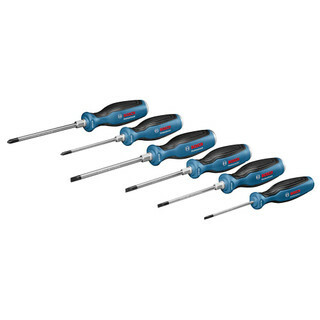
Screwdriver Sets
-
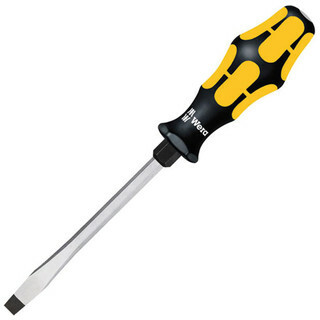
Slotted Flat Head Screwdrivers
-
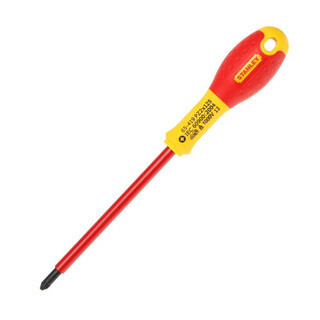
PoziDriv Screwdrivers
-
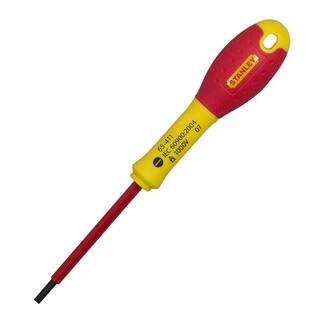
Phillips Screwdrivers
-
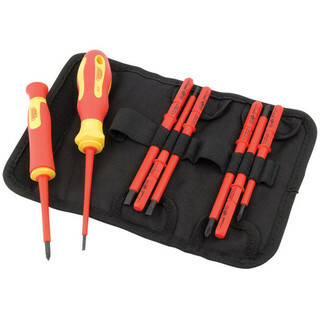
Interchangeable Blade Sets
-

Precision Screwdrivers
-

Torque Screwdrivers
-
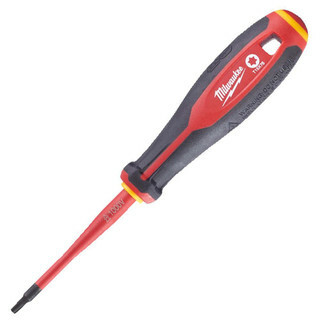
Torx Screwdrivers
-
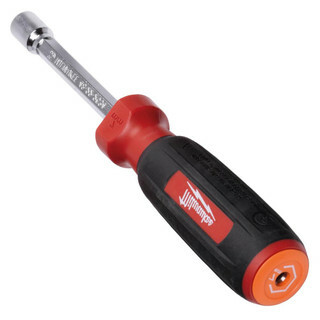
Nut Driver
-
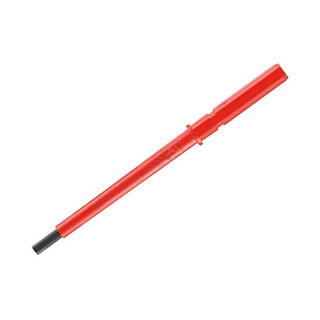
Interchangeable Blade Screwdrivers
-
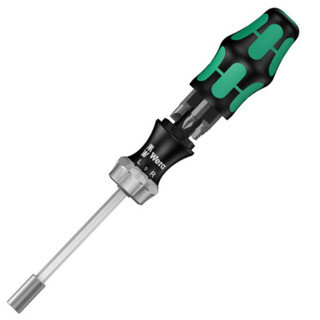
Ratchet Screwdrivers
-
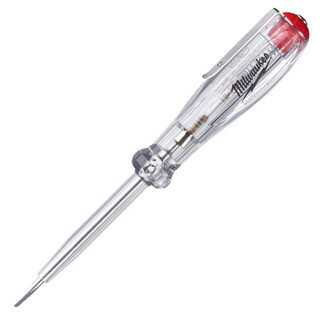
Electrical Tester Screwdriver
-
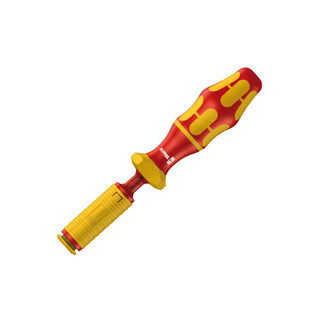
Screwdriver Accessories



