Garden Hand Tools

A hand shovel is for the close-up jobs where a spade's too clumsy, like planting, edging, and digging out stubborn roots in tight beds and pots.

When you're working around paving, borders, or planters, a decent hand shovel saves time and your knuckles. Go for a professional hand shovel with a solid tang and a handle that won't twist when you're levering compacted soil or flicking out stones.

What Jobs Are Hand Shovels Best At?

  • Digging planting holes in borders and raised beds when you need control around roots, edging, and existing plants.
  • Scooping compost, bark, and topsoil into pots and planters without spilling half of it over paving and paths.
  • Breaking up compacted soil and teasing out stones and old roots where a full spade just can't get in cleanly.
  • Backfilling and firming around new plants and bulbs so you can level off properly and leave a tidy finish.

Choosing the Right Hand Shovel

Keep it simple: buy the hand shovel that matches the ground you're actually working in, not the tidy soil you wish you had.

1. Blade shape and width

If you're doing general planting and pot work, a standard scoop blade shifts soil fastest. If you're working in tight gaps or digging between established plants, a narrower blade gets in without tearing everything up.

2. Handle and grip

If you're in gloves all day, pick a handle that fills the hand and won't spin when it's wet. For heavier ground, a proper ergonomic grip reduces wrist strain when you're levering and twisting.

3. Build for hard use

If you're hitting compacted soil, stones, and roots, don't mess about with flimsy joins. A professional hand shovel with a strong tang and a rigid blade is what stops the bend and wobble after a few weeks.

Who Uses Hand Shovels?

  • Landscapers and groundworkers for planting runs, edging work, and quick tidy-ups around kerbs, steps, and slabs.
  • Garden maintenance teams doing bedding, bulb planting, and soil conditioning where speed matters but accuracy matters more.
  • Site and facilities teams keeping planters and entrances presentable, because a hand shovel is faster than dragging out full-size digging kit.

Hand Shovel Add Ons That Save Time on the Job

A couple of basics alongside your hand shovel makes planting and maintenance quicker, cleaner, and less back-and-forth to the van.

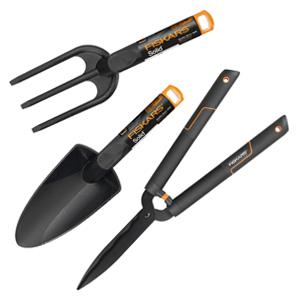
1. Hand fork

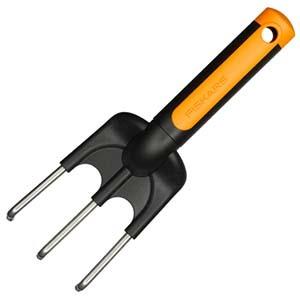
Use a hand fork to break up clods and rake out stones and roots before you plant, so you're not fighting compacted ground with the hand shovel and bending the blade.

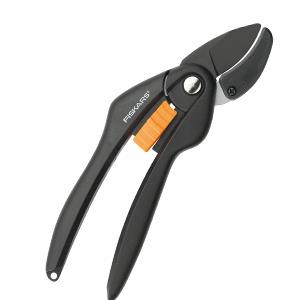
2. Secateurs

Keep secateurs on you for snipping back roots, cutting twine, and clearing stems as you dig, because forcing a hand shovel through woody growth is how handles twist and edges get chewed.

3. Gardening gloves

A decent pair of gloves stops blisters when you're doing repetitive potting and planting, and gives you grip when the handle's wet or covered in compost.

Shop Hand Shovels at ITS

Whether you need a single hand shovel for the van or a few professional hand shovels for regular maintenance work, we stock the range in our own warehouse ready to go. Order by 5pm and get it on site tomorrow with next day delivery.

Hand Shovel FAQs

What are hand garden tools called?

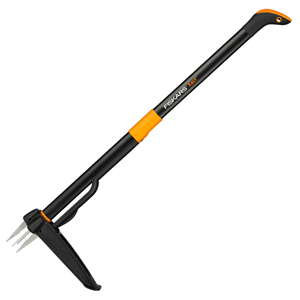
They're usually grouped as hand tools or hand garden tools, meaning the kit you use one-handed for planting and maintenance, like a hand shovel, hand fork, trowel, weeder, and secateurs.

What are the names of garden tools?

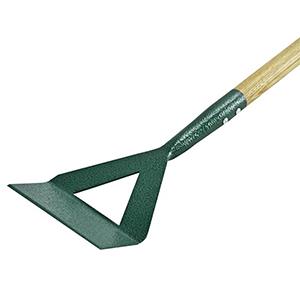
Common garden tools include spades, shovels, rakes, hoes, forks, edging tools, shears, and watering kit, plus smaller hand tools like a hand shovel and hand fork for tight planting and pot work.

Is a hand shovel the same as a trowel?

They're close, and plenty of people use the words interchangeably. In practice, a hand shovel tends to have a deeper scoop for shifting more soil, while a trowel is often flatter and better for precise planting and smoothing.

What should I look for in a professional hand shovel for daily use?

Look for a rigid blade that won't flex in compacted ground, a strong tang where the blade meets the handle, and a grip that won't twist when it's wet. If it feels flimsy in the hand, it'll feel worse after a month of levering stones and roots.

Will a hand shovel cope with stony or compacted soil?

Yes, if it's built for it, but don't expect miracles from light-duty blades. For hard ground, use the hand shovel to dig and scoop, and swap to a hand fork to loosen first, which stops you bending the blade and wrecking your wrist.
Read more

Garden Hand Tools

A hand shovel is for the close-up jobs where a spade's too clumsy, like planting, edging, and digging out stubborn roots in tight beds and pots.

When you're working around paving, borders, or planters, a decent hand shovel saves time and your knuckles. Go for a professional hand shovel with a solid tang and a handle that won't twist when you're levering compacted soil or flicking out stones.

What Jobs Are Hand Shovels Best At?

  • Digging planting holes in borders and raised beds when you need control around roots, edging, and existing plants.
  • Scooping compost, bark, and topsoil into pots and planters without spilling half of it over paving and paths.
  • Breaking up compacted soil and teasing out stones and old roots where a full spade just can't get in cleanly.
  • Backfilling and firming around new plants and bulbs so you can level off properly and leave a tidy finish.

Choosing the Right Hand Shovel

Keep it simple: buy the hand shovel that matches the ground you're actually working in, not the tidy soil you wish you had.

1. Blade shape and width

If you're doing general planting and pot work, a standard scoop blade shifts soil fastest. If you're working in tight gaps or digging between established plants, a narrower blade gets in without tearing everything up.

2. Handle and grip

If you're in gloves all day, pick a handle that fills the hand and won't spin when it's wet. For heavier ground, a proper ergonomic grip reduces wrist strain when you're levering and twisting.

3. Build for hard use

If you're hitting compacted soil, stones, and roots, don't mess about with flimsy joins. A professional hand shovel with a strong tang and a rigid blade is what stops the bend and wobble after a few weeks.

Who Uses Hand Shovels?

  • Landscapers and groundworkers for planting runs, edging work, and quick tidy-ups around kerbs, steps, and slabs.
  • Garden maintenance teams doing bedding, bulb planting, and soil conditioning where speed matters but accuracy matters more.
  • Site and facilities teams keeping planters and entrances presentable, because a hand shovel is faster than dragging out full-size digging kit.

Hand Shovel Add Ons That Save Time on the Job

A couple of basics alongside your hand shovel makes planting and maintenance quicker, cleaner, and less back-and-forth to the van.

1. Hand fork

Use a hand fork to break up clods and rake out stones and roots before you plant, so you're not fighting compacted ground with the hand shovel and bending the blade.

2. Secateurs

Keep secateurs on you for snipping back roots, cutting twine, and clearing stems as you dig, because forcing a hand shovel through woody growth is how handles twist and edges get chewed.

3. Gardening gloves

A decent pair of gloves stops blisters when you're doing repetitive potting and planting, and gives you grip when the handle's wet or covered in compost.

Shop Hand Shovels at ITS

Whether you need a single hand shovel for the van or a few professional hand shovels for regular maintenance work, we stock the range in our own warehouse ready to go. Order by 5pm and get it on site tomorrow with next day delivery.

Hand Shovel FAQs

What are hand garden tools called?

They're usually grouped as hand tools or hand garden tools, meaning the kit you use one-handed for planting and maintenance, like a hand shovel, hand fork, trowel, weeder, and secateurs.

What are the names of garden tools?

Common garden tools include spades, shovels, rakes, hoes, forks, edging tools, shears, and watering kit, plus smaller hand tools like a hand shovel and hand fork for tight planting and pot work.

Is a hand shovel the same as a trowel?

They're close, and plenty of people use the words interchangeably. In practice, a hand shovel tends to have a deeper scoop for shifting more soil, while a trowel is often flatter and better for precise planting and smoothing.

What should I look for in a professional hand shovel for daily use?

Look for a rigid blade that won't flex in compacted ground, a strong tang where the blade meets the handle, and a grip that won't twist when it's wet. If it feels flimsy in the hand, it'll feel worse after a month of levering stones and roots.

Will a hand shovel cope with stony or compacted soil?

Yes, if it's built for it, but don't expect miracles from light-duty blades. For hard ground, use the hand shovel to dig and scoop, and swap to a hand fork to loosen first, which stops you bending the blade and wrecking your wrist.
ITS Click and Collect Icon
What3Words:
Get Directions
Store Opening Hours
Opening times