Festool PPE
Cutting, routing or sanding all day? Choose Festool PPE to suit the noise and flying debris.
For joiners, fitters and workshop teams, protection needs to fit properly alongside the rest of your kit. Check the protection rating, not just the badge, and choose Festool safety equipment that matches your site requirements.
What Is Festool PPE Used For?
- Protect your hearing when running saws, routers and other noisy machinery by choosing hearing protection with suitable attenuation for the measured exposure.
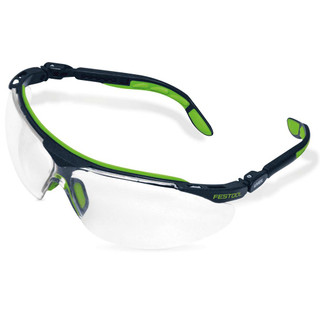
- Shield your eyes from flying chips during drilling and machining with safety eyewear carrying the appropriate impact marking.
- Keep protection practical during kitchen fitting by checking that eyewear and hearing protection fit together without slipping or breaking a seal.
- Equip workshop staff for repeated machining tasks with correctly sized protection that can be cleaned, inspected and stored between shifts.
Choosing the Right Festool PPE
Buy for the hazard first; matching your tools is not a protection specification.
1. Match the Protection to the Task
If you are cutting timber, assess noise and flying chips separately. If the work also creates hazardous dust, you need suitable extraction and any respiratory protection specified by the assessment. Glasses and ear protection do not cover that risk.
2. Check Hearing Protection Ratings
Choose attenuation using your noise assessment and the product's SNR or frequency-specific data. Do not simply buy the highest number: excessive attenuation can make speech and warning signals harder to hear.
3. Check the Fit with Your Other PPE
If you wear a hard hat, prescription glasses or a respirator, check the whole combination before committing. Thick spectacle arms can compromise ear-defender seals, while poorly positioned eyewear can interfere with a respirator's fit.
4. Separate Protective Features from Audio Features
If you choose electronic hearing protection, check its protective certification, operating modes and battery requirements. Bluetooth connectivity is a convenience feature, not proof of suitable noise protection, and some sites prohibit personal audio.
Who Uses Festool PPE?
Joiners and cabinet makers use hearing and eye protection around saws and routers, while kitchen fitters need kit that stays comfortable when switching between drilling, cutting and assembly. Maintenance teams also use task-specific PPE, checking its ratings against the work rather than assuming one item covers every job.
The Basics: Understanding Hearing Protection Ratings
A hearing protector's rating helps you select it, but fit and correct use determine whether it does its job.
1. SNR Is a Selection Guide
The Single Number Rating summarises tested noise attenuation. Use it alongside workplace noise information and recognised selection guidance; it is not a guarantee that every user receives that reduction on site.
2. A Poor Seal Loses Protection
In-ear protection needs correctly fitted tips, while ear defenders need an uninterrupted seal around each ear. A loose plug or a damaged cushion can undermine the protection, even when the rating looks right.
3. Electronic Modes Have Limits
Some electronic protectors allow controlled listening to surrounding sound. Check the model's instructions for how this works and what happens when the battery runs out; do not assume every mode provides identical performance.
Accessories to Keep Your PPE Serviceable
Use model-compatible replacements and proper storage rather than carrying on with worn or contaminated protection.
1. Replacement Ear Tips
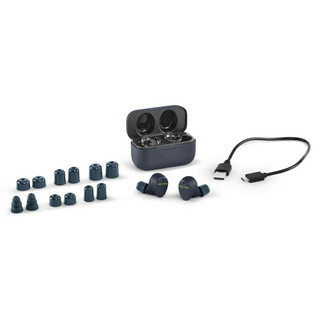
For in-ear protectors with replaceable tips, keep the specified sizes available. Dirty, damaged or poorly fitting tips can leave you without a reliable seal halfway through a machining job.
2. Protective Storage Cases
A suitable case keeps safety glasses away from loose screws and abrasive dust in the tool bag. Store hearing protection clean and dry too, following the manufacturer's instructions.
Choose the Right Festool PPE for the Job
Start with the hazard, then check the rating and fit.
| Your Job | Protection Type | Key Features |
|---|---|---|
| Repeated sawing and routing | Suitable hearing protection | Attenuation matched to noise exposure, secure fit and compatibility with eyewear. |
| Drilling or machining with flying chips | Task-rated safety eyewear | Appropriate impact marking, side coverage and a stable fit. |
| Using electronic hearing protection on site | Certified electronic hearing protectors | Suitable attenuation, clear operating instructions and compliance with site audio rules. |
| Working with prescription glasses or a respirator | Compatible eye and hearing protection | No interference with seals, adequate coverage and comfort when worn together. |
Common Buying and Usage Mistakes
- Buying by brand alone leaves the actual hazard unchecked. Match the product's certification and protection level to your risk assessment.
- Treating ordinary earbuds as hearing protection risks inadequate attenuation. Use equipment specifically certified for hearing protection.
- Choosing safety glasses for every eye hazard can leave gaps in protection. Dust, splash and higher-energy impacts may require different eyewear or additional face protection.
- Removing hearing protection briefly beside running machinery reduces its overall effectiveness. Move away from the noise before adjusting it or holding a conversation.
Passive Earplugs vs Ear Defenders vs Electronic In-Ear Protection
Passive Earplugs
Compact and without batteries, these suit jobs where low bulk matters. Correct insertion is essential, and dirty hands make handling them between tasks less practical.
Ear Defenders
These are straightforward to put on and remove when moving between quiet and noisy areas. They are bulkier, and spectacle arms or incompatible headgear can interfere with the cushions' seal.
Electronic In-Ear Protection
Suitable models combine hearing protection with controlled ambient listening or audio functions. Choose them when those functions are permitted and useful, but allow for charging, cleaning and replacement tips.
Maintenance and Care
Clean Without Scratching
Remove grit from eyewear using the manufacturer's recommended cleaning method before wiping. Rubbing dusty lenses with a work shirt can scratch them and reduce visibility.
Inspect Tips and Seals
Check reusable ear tips and ear-defender cushions for damage, hardening and contamination. Replace worn parts with approved components rather than trying to patch a failed seal.
Keep Electronics Dry
Follow the stated moisture limits for electronic protectors. Clean and dry them as instructed before charging, and keep charging contacts free of dust and debris.
Replace Damaged Protection
Remove cracked eyewear, damaged housings or unreliable electronics from use. Follow the manufacturer's replacement guidance after an impact; a home repair is not proof that protection has been restored.
Why Shop for Festool PPE at ITS?
Shop the full Festool PPE range at ITS and check individual specifications to match your protection to the job. Our stock is held in our own warehouse, ready for next-day delivery, subject to availability, order cut-off and delivery location.
Festool PPE FAQs
What PPE does Festool make?
Festool offers hearing protection, including electronic in-ear models, and safety eyewear. Availability varies by market and current range. Check each listing for its certification and intended use; do not assume the range includes every item needed for your site.
Are Festool PPE products any good?
They are worth considering where the specification matches your work, but the badge alone is not enough. Check protection ratings, adjustment and compatibility with your other PPE. A well-specified protector that fits badly is the wrong choice for you.
What PPE is required on a building site?
Your employer's risk assessment and site rules determine what you need. Many sites require safety footwear, head protection and high-visibility clothing, with eye, hearing, hand and respiratory protection added for particular tasks. Check the induction requirements before arriving; Festool PPE alone may not cover the full list.
Are Festool ppe any good?
For regular use, look beyond the initial fit and check how you will maintain it. Replaceable tips, straightforward cleaning and suitable storage matter over a working week. Electronic features can be useful, but only if site rules permit them and you can keep the equipment charged and serviceable.
Where are Festool tools made?
Many Festool power tools are manufactured in Germany, but production locations vary by product. That does not establish where a particular PPE item is made. Check the product label or packaging for its country of origin rather than assuming all Festool-branded equipment comes from the same factory.