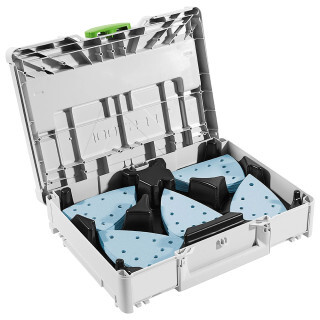
Festool Systainer Sanding Pads & Sheets
Festool systainer sanding pads keep your abrasives sorted by grit, size, and job, so you're not rummaging round the van when finish work needs doing properly.
If you're jumping between filler, primer, timber, paint and final prep, a Festool sanding systainer saves time and stops good discs getting crushed or mixed up. These Festool systainer abrasives are set out for quick grab-and-go use on site, in workshops, and during snagging. If you already run Festool Sanders, this is the tidy way to keep the right abrasive close to hand.
What Are Festool Systainer Sanding Pads Used For?
- Prepping painted timber, filled joins, and plaster touch-ups is quicker when your Festool systainer sanding pads are already sorted by grit instead of loose in drawers and boxes.
- Working through full decorating and finishing sequences is easier because a Festool sanding sheet systainer lets you move from stock removal to finer finishing without grabbing the wrong disc halfway through the job.
- Snagging kitchens, built-ins, doors, and trim on site is cleaner and faster when your abrasives stay flat, dry, and easy to find rather than getting bent in the van.
- Workshop sanding on hardwood, MDF, primer coats, and lacquer prep runs smoother when a Festool abrasive systainer keeps each grade together and ready for repeated use across the same job.
Choosing the Right Festool Systainer Sanding Pads
Sorting the right one is simple. Match the abrasive type, grit spread, and pad size to the sanding you actually do all week.
1. Grit Range First
If you are mostly stripping back rough timber, old coatings, or heavy filler, start with coarser grits. If your work is more about denibbing, paint prep, and final finish, go for a festool systainer abrasive set with more of the middle and finer grades. There is no point paying for loads of coarse discs if you spend your days on second fix and snagging.
2. Disc or Sheet Size Must Match the Sander
Check the size and pattern your machine takes before you order. If the sanding sheet or disc does not suit the pad on your sander, dust extraction and finish both suffer. A tidy systainer is only useful if what is inside actually fits the tool in your hand.
3. Pick the Abrasive for the Material
If you move between bare timber, painted surfaces, filler, and lacquered work, buy for the material, not just the grit number. Some abrasives last better on coatings, while others cut cleaner on timber or fillers. For mixed finishing work, a broader Festool sanding pads and sheets range makes more sense than one single abrasive type.
4. Buy the Systainer That Suits Your Workload
If you are sanding every day, a fuller festool sanding systainer saves repeat orders and keeps the van stocked. If it is more occasional prep and snagging, a smaller mixed pack is enough. The main thing is having a layout you will actually keep organised once site gets busy.
Who Uses These on Site?
- Chippies use festool systainer sanding pads for first fix clean-up, second fix finishing, and easing doors or trims before handover, especially when they need the right grit fast.
- Decorators keep a festool sanding disc systainer close for prep between coats, denibbing woodwork, and flattening filler without wasting time hunting through mixed abrasives.
- Kitchen fitters and joiners swear by these for fine finishing on panels, end caps, fillers, and scribed pieces where the wrong grit leaves marks you will see straight away.
- Workshop teams and snagging crews use a Festool Systainer setup to keep stock organised, protect unused discs, and stop half-used sheets disappearing into the bottom of the toolbox.
The Basics: Understanding Festool Systainer Sanding Pads
This is less about the sander itself and more about keeping the right abrasive ready for the next step. The big win is speed, consistency, and not ruining discs before they ever touch the job.
1. Grit Progression Matters
A festool sanding sheet systainer usually makes most sense when it helps you step through grits properly. Start too fine and you waste time. Start too coarse and you leave scratches that show through the finish. Keeping the grades laid out in order helps you work cleanly through prep to finish.
2. The Right Shape Keeps Dust Extraction Working
Discs and sheets need to suit the sanding pad and hole pattern on the tool. When they fit properly, extraction works better, abrasives stay cooler, and you get a cleaner finish with less clogging.
3. Storage Is Part of the System
A Festool abrasive systainer is there to stop pads getting damp, bent, or buried under other kit. That means fewer wasted sheets and less messing about when you are changing abrasives on the job.
Useful Extras for Festool Systainer Sanding Pads
Abrasives only do the job properly when the backing pad, extraction, and support kit are right as well.
1. Replacement Sanding Pads
If the pad on your sander is worn, torn, or glazed over, even fresh abrasives will not sit right. Swap the pad before you blame the discs for poor finish or weak grip.
2. Dust Bags and Extractor Consumables
Do not spend money on good abrasives then choke the extraction. Clean extraction keeps discs cutting longer, stops clogging, and saves you from covering a finished room in fine dust.
3. Interface Pads
These are worth having for curved edges, profiles, and delicate finishing work where a hard pad can dig in. They save rework on painted and veneered surfaces.
4. Extra Abrasive Refills
The grit you use most always disappears first. Keeping refill packs nearby stops you ending up with a full systainer of every grade except the one the job actually needs.
Choose the Right Festool Systainer Sanding Pads for the Job
Use this quick guide to sort the right abrasive setup before you load the van.
| Your Job | Category or Type | Key Features |
|---|---|---|
| General wood prep and second fix finishing | Mixed grit sanding sheet systainer | Broad grit spread for working from surface prep through to final smoothing on doors, trim, and joinery. |
| Heavy filler flattening and paint removal | Coarse to medium abrasive set | Lower grit focus for faster stock removal and shaping before moving up through finer grades. |
| Decorating prep between coats | Fine grit sanding pads systainer | More medium and fine abrasives for denibbing, flattening primer, and leaving less visible scratching. |
| Daily site and workshop sanding | Full festool sanding systainer | Organised storage, wider abrasive choice, and enough stock to keep up with repeat use. |
| Occasional snagging and small installs | Compact mixed abrasive pack | Enough key grits for touch-ups and finishing jobs without overbuying specialist grades. |
Common Buying and Usage Mistakes
- Buying by grit number alone is a common mistake. The abrasive type and the material matter just as much, or you end up with discs that clog early or leave a poorer finish than expected.
- Ordering the wrong size or fixing pattern for the sander wastes time and money. Always check your machine first, because a poor fit means weak extraction and rougher sanding.
- Using worn backing pads with fresh abrasives catches plenty of people out. If the pad is shot, the new sheet will not sit flat or hold properly, so replace the pad before blaming the abrasive.
- Skipping grits to save time usually costs more time later. Jump too far between grades and you spend ages trying to remove scratches that should never have been there in the first place.
- Leaving abrasives loose in the van ruins them faster than most realise. Bent edges, damp storage, and mixed-up grades turn good stock into waste, which is exactly what the systainer is there to stop.
Mixed Grit Sets vs Single Grit Packs vs Full Systainers
Mixed Grit Sets
Best for fitters, joiners, and decorators who move between prep stages on the same day. You get a workable spread of grits without having to build your own stock from scratch, but the grades you use most may run out first.
Single Grit Packs
These suit repetitive work where you already know the exact abrasive you burn through. Good for workshop runs or repeat finishing jobs, but less handy on mixed site work where you need options in the box.
Full Systainers
A full festool sanding systainer is the better shout for daily users who want stock protected, organised, and easy to top up. It takes up more room and costs more upfront, but it saves time every week.
Maintenance and Care
Keep the Systainer Dry
Store abrasives somewhere dry in the van or workshop. Damp sheets lose shape, backing can weaken, and hook and loop grip is never as good once moisture gets at them.
Sort Used and New Abrasives Separately
If half-used discs go back in with fresh ones, you waste time checking every piece before use. Keep worn stock apart so the next grab is the right one.
Check Backing Pads Regularly
Abrasives wear fast on damaged pads. Look for torn hook surfaces, rounded edges, or heat damage, and replace the pad before it starts ruining finish quality.
Clean Dust Build Up Out of the Box
Fine sanding dust gets everywhere. Give the systainer a quick clean now and then so grits stay readable and fresh abrasives are not sitting in old clogged dust.
Replace Worn Abrasives Before They Burn the Surface
Once an abrasive stops cutting cleanly, stop using it. Overworked discs build heat, clog up, and make more mess of the finish than the cost of replacing them.
Why Shop for Festool Systainer Sanding Pads at ITS?
Whether you need a full festool systainer abrasive set, a specific grit layout, or top-up stock to go with your Festool Systainer Sanding Sheets, we stock the proper range. You will also find matching Festool Sanding Pads and Sheets and Festool Other Sanding Accessories in our own warehouse, ready for next day delivery.
Festool Systainer Sanding Pads FAQs
What sanding pads and abrasives come pre-packed in a Festool Systainer?
It depends on the exact Festool abrasive systainer, but the idea is the same across the range. You usually get a planned mix of sanding discs or sheets in selected grits, laid out to cover proper prep and finishing work rather than a random handful of stock. Always check the pack breakdown on the product page, because some are geared more to general wood sanding while others lean towards finer finishing or specific abrasive types.
Are Festool Systainer sanding packs available in different grit ranges?
Yes. That is one of the main reasons trades buy them. Some Festool systainer abrasives cover a broad range so you can work through several sanding stages, while others focus more on particular grit bands for repeated prep or finishing work. If you already know where most of your sanding sits, buy the grit range that matches that job instead of paying for grades you rarely touch.
Do Festool Systainer sanding packs come in different sizes?
Yes, they can. The abrasive size and format will depend on which Festool sander they are meant to support, so check the disc diameter or sheet size before ordering. It is a simple check, but miss it and you end up with stock that does not fit the machine properly.
Are Festool Systainer sanding products only for Festool sanders?
No, not always, but you need to be careful. If the size, shape, and hole pattern match your machine, some products may work with non Festool tools. That said, these packs are built around Festool fitment and extraction performance, so they make the most sense if you are already using Festool sanders.
Are these worth buying over loose packs of abrasives?
If you sand regularly, yes. A festool sanding systainer keeps stock flat, dry, and easy to sort by grit, which cuts down wasted discs and wasted time. If you only sand now and then, loose packs may do the job, but daily users usually prefer the systainer because it keeps the whole process tidier.
Will the abrasives hold up to proper site use, or are they more for bench work?
They are made for real trade use, not just neat workshop shelves. The abrasives themselves are built for repeat prep and finishing work, and the systainer helps protect them from being crushed or damped off in the van. They are still consumables, though, so the life you get depends on the material, extraction, and how hard you are leaning on them.