Festool Vacuums & Dust Extractors
Festool dust extractor kit is what you buy when you're sick of dust everywhere and tools clogging up mid-cut.
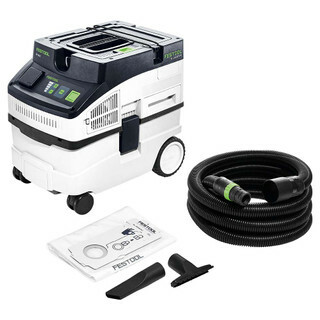
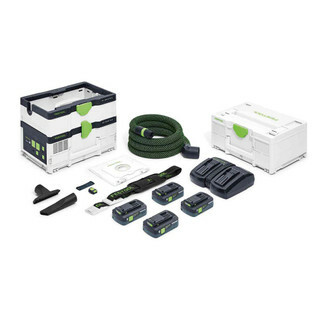
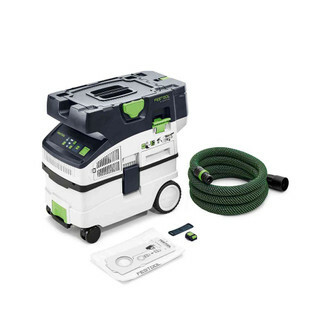
On refurbs and fit-outs, dust control isn't optional. A Festool hoover (Festool vacuum or Festool extractor) keeps sanding, sawing, and drilling clean, protects your lungs, and stops you trashing finishes. If you're running a Festool sander and extractor set-up, look at Festool CLEANTEC and match the class and size to the work.
What Are Festool Dust Extractors Used For?
- Hooking up a Festool sander and vacuum for flatting fillers, plaster patches, and timber prep without choking the room or clogging discs every five minutes.
- Running saws, routers, and track saws on kitchen and joinery installs so you are not leaving dust trails through a finished house.
- Chasing, drilling, and general site clean-up with a Festool vacuum cleaner that actually keeps suction when the bag is filling, instead of dumping dust back into the air.
- Working to site rules with a Festool M class dust extractor where concrete, brick, plaster, and hardwood dust are involved and you need proper Festool dust extraction, not a DIY vac.
- Keeping mobile teams moving with a Festool mobile dust extractor that is easy to wheel in, park up, and connect for quick snagging and punch-list work.
Choosing the Right Festool Dust Extractor
Pick it like you would any site kit: match the extractor to the dust class and the length of your day, not the price tag.
1. M-Class vs L-Class (Do not guess)
If you are sanding plaster, cutting MDF, or drilling masonry, go straight to a Festool M class dust extractor so you are covered for the stuff that actually gets in your lungs. If it is mainly clean timber and general tidy-ups, L-Class can make sense, but most busy sites end up needing M-Class sooner or later.
2. Size: CTM MIDI, MINI, or full-size
If you are in and out of houses and up stairs all day, a Festool CTM MIDI 240v or similar compact unit is easier to live with and still keeps up with a sander. If you are on bigger cut lists or multiple tools, step up in capacity so you are not stopping to change bags and filters constantly.
3. 240V site power and plug-it-in workflow
If you are mostly on mains, a Festool dust extractor 240v is the straightforward choice for steady suction and long run time. Make sure the hose length and tool connection suit what you actually run, especially if you want a proper Festool sander with dust extractor set-up that does not snag and tip over.
Who Uses Festool Extractors on Site?
- Joiners and kitchen fitters who need a Festool dust extractor and sander set-up to keep finished spaces clean and stop call-backs for dust damage.
- Decorators and finishers running a Festool hoover 240v all day for sanding walls, woodwork, and fillers without turning the job into a full house clean.
- Site carpenters and shopfitters who want a Festool extractor that plugs into the workflow, especially when cutting sheet goods and trimming on occupied sites.
- Maintenance teams who keep a compact Festool mini or Festool CTL unit in the van for tidy drilling, quick repairs, and end-of-job clean-down.
The Basics: Understanding Festool Dust Extractor Classes
The key thing with any Festool CLEANTEC unit is the dust class. It is not a gimmick, it is what decides whether it is suitable for the dust you are making on real jobs.
1. L-Class (Lower risk, lighter site dust)
L-Class suits general clean-up and lower-risk dust like softwood and day-to-day van or workshop mess. It is fine for keeping things tidy, but it is not the one to rely on for heavy building dust.
2. M-Class (The site standard for most trades)
A Festool dust extractor M class is the sensible choice when you are into plaster, concrete, brick, hardwood, MDF, and the usual refurb mix. If you want one extractor that covers most site work and keeps you on the right side of dust control, M-Class is the safer bet.
Festool Dust Extraction Accessories That Make the Set-Up Work
A Festool vac is only as good as the hose, bags, and filters you run with it, especially when you are sanding all day.
1. Replacement filter bags
Keep spare bags in the van so you are not trying to finish a room with half suction because the bag is packed out. It is the quickest way to keep a Festool hoover pulling properly on long sanding and cutting days.
2. Main filters
If the filter is clogged or past it, the extractor feels weak and you start leaving dust behind. A fresh filter brings the airflow back and stops you cooking the machine by making it work harder than it needs to.
3. Anti-static hoses and tool adaptors
Get the hose and adaptor that actually fits your Festool sander and extractor connection so it does not pop off mid-pass. Anti-static kit also cuts down on the annoying shocks and the dust clinging to the hose when you are working in dry conditions.
Shop Festool Dust Extractors at ITS
Whether you need a compact Festool mini dust extractor 240v for van work, a Festool CTL unit for day-to-day clean running, or a Festool extractor M class for proper site dust control, we stock the range in the sizes and classes trades actually use. It is all held in our own warehouse and ready for next day delivery, so you can get your dust extraction sorted before the next shift.
Festool Dust Extractor FAQs
Are Festool dust extractors worth the money?
Yes, if you are using sanders, saws, or routers regularly and you care about keeping the job clean. They hold suction well, the connections suit Festool tools properly, and the overall set-up makes a real difference on occupied refurbs where dust complaints cost you time and money.
What is the newest Festool dust extractor?
Festool updates the CLEANTEC range over time, so the newest model depends on the exact size and class you are looking at. Check the product listing for the latest generation and spec, and match it to your job first, especially if you need a Festool dust extractor M class or a specific 240v unit.
Do I really need an M class Festool dust extractor for site work?
If you are making dust from plaster, concrete, brick, hardwood, or MDF, then yes, an M-Class Festool dust extractor is the sensible choice. It is the class most sites expect for building dust, and it is what you want when the work is more than just a quick tidy-up.
Will a Festool hoover work properly with a Festool sander and extractor set-up?
Yes, that is where they earn their keep. With the right hose and a clean bag and filter, a Festool sander and vacuum pairing keeps the pad and abrasives working properly and stops the room filling with fine dust, especially on long wall and ceiling sessions.
Is a Festool dust extractor 240v the right choice for UK site power?
For most trades, yes, because it is consistent all day and suits workshop and domestic mains work without faff. Just make sure you are set up for the power supply you actually have on site, and do not forget that long leads and poor generators can make any extractor feel weak.