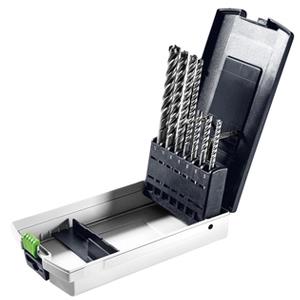
Festool SDS Bits and Attachments
Festool SDS bits and attachments are for proper masonry drilling, chiselling and fixing work where standard bits give up too early.
If you're drilling anchors into block, chasing out for small runs, or punching repeated holes in concrete, this Festool SDS range is the kit to look at. Festool SDS bits, chisels and attachments are built for clean running, solid fitment and site use that does not spare the tool. Match the shank and bit type to the material, and you will get quicker holes, less slip and less wasted time on stubborn walls.
What Are Festool SDS Bits and Attachments Used For?
- Drilling repeated fixing holes into concrete, brick and dense block is where Festool SDS drill bits earn their keep, especially when you are fitting brackets, clips, tray or framing all day.
- Chiselling out small channels, lifting old tile beds or knocking back stubborn mortar is easier with Festool SDS chisel attachments because the tool does the hammering instead of your wrists.
- Working on first fix and retrofit jobs, Festool SDS masonry bits help you get through hard wall finishes cleanly without the wandering and skidding you get from the wrong tip.
- Fitting pipe clips, cable supports and anchor points overhead or at ladder height is quicker with the right Festool SDS accessories because they lock in securely and waste less time on bit changes.
- Moving between brick, block and concrete on refurb jobs is simpler when you keep a proper Festool SDS range to hand, rather than trying to force one worn bit through every surface on site.
Choosing the Right Festool SDS Bits and Attachments
Sort the bit to the wall and the job first. Do not just grab the nearest SDS bit and hope for the best.
1. SDS Plus First
Most Festool SDS bits in this kind of range are aimed at SDS Plus drills, which is what most site users will be running for fixing holes and light breaking. If your drill takes SDS Plus, stick with that system for general masonry work. If it does not, check the chuck before you order anything.
2. Bit for Drilling, Chisel for Breaking
If you are drilling for anchors, plugs or resin fixings, choose proper Festool SDS masonry bits in the size you actually use most. If you are lifting tiles, trimming channels or knocking off loose material, buy chisels as well. A drill bit is not a chisel, and using it like one is a good way to wreck it.
3. Buy Sizes You Use Every Week
If most of your work is clips, plugs and frame fixings, build around the common diameters instead of buying a huge set full of sizes that never leave the case. For regular first fix, the bits you use every day matter more than the ones you might need once a year.
4. Match Length to Access
Standard length bits are easier to control for day to day drilling. If you are going through thicker walls, deeper substrates or working around pipework and fittings, go longer. Too short and you will fight the job. Too long and it gets awkward for simple fixing work.
Who Uses These on Site?
- Sparkies use Festool SDS bits and attachments for clipping cable runs, drilling back box fixings and knocking out light chasing where a combi drill just slows the job down.
- Plumbers and heating fitters reach for them when fixing pipe brackets into masonry, opening up awkward sections and dealing with old hard walls in kitchens, bathrooms and plant rooms.
- Kitchen fitters, shopfitters and general builders keep Festool SDS accessories in the van for anchor holes, frame fixings and snagging work where neat, repeatable drilling matters.
- Maintenance teams swear by a mixed SDS set because one day it is blockwork fixings, the next it is tile removal or chasing out a stubborn patch before a repair goes in.
The Basics: Understanding Festool SDS Bits and Attachments
The main thing to understand is the SDS fitting and what each attachment is actually meant to do on site. Get that right and the whole job runs smoother.
1. SDS Plus Locking Fit
SDS Plus bits slide into the drill and lock in, so the bit can hammer and rotate properly without slipping in the chuck. That is what makes them right for masonry drilling where an ordinary straight shank bit would just spin, chatter or burn out.
2. Drill Bits for Holes
Festool SDS drill bits are for boring clean fixing holes into brick, block and concrete. The flutes clear spoil as you drill, which keeps the hole cleaner and stops progress slowing right down in hard material.
3. Chisel Attachments for Removal Work
Chisel attachments use the hammer action to break, lift or trim material rather than drill it. That makes them useful for chasing, tile lifting and small demolition jobs where accuracy matters more than brute force.
Festool SDS Accessories That Save Time on Site
A few sensible extras stop wasted trips to the van and keep drilling work moving when the wall gets tougher than expected.
1. Spare Common Size SDS Bits
Keep spare 5mm, 6mm, 8mm and other regular fixing sizes ready. When the bit dulls halfway through a run of anchors, swapping straight over is a lot better than forcing a tired bit and blowing out the hole.
2. SDS Chisel Attachments
If you only buy drill bits, you will end up using the wrong tool when something needs lifting or trimming back. A proper chisel attachment saves drill bits from abuse and makes small breaking jobs much quicker.
3. Bit Cases and Storage
Loose SDS bits rolling around the van get chipped, blunted and buried under everything else. A proper case keeps sizes together so you are not guessing what is worn and what is still fit for work.
Choose the Right Festool SDS Bits and Attachments for the Job
Use this quick guide to sort the right type before you start drilling.
| Your Job | Bit or Attachment Type | Key Features |
|---|---|---|
| Drilling plug and fixing holes in brick | SDS Plus masonry bit | Fast starting tip, secure SDS fit, good spoil clearance for repeated anchor holes |
| Fixing into dense block and concrete | Heavy use SDS masonry bit | Tough carbide tip, better wear life, cleaner progress in harder material |
| Lifting tiles or chasing small sections | SDS chisel attachment | Uses hammer action for removal work, saves using a drill bit for the wrong job |
| General first fix across mixed walls | Mixed SDS bit set | Common site sizes in one place, quicker changes, easier van stock control |
| Deeper holes through thicker material | Longer length SDS bit | Extra reach, better access through deeper substrates, less need to rework short holes |
Common Buying and Usage Mistakes
- Buying the wrong shank type is the big one. If your drill takes SDS Plus, do not order blindly. Check the tool first or the bit is useless the moment it lands.
- Using one worn masonry bit for every hole wastes time and chews the wall. When the tip is tired, replace it, or you will end up with slow drilling and messy oversized fixings.
- Trying to chisel with a drill bit is a shortcut that usually ends with a damaged tip. If the job is breaking or lifting, use an SDS chisel attachment and keep the drill bits for drilling.
- Picking a big set without thinking about your actual work sounds sensible, but half the sizes often never get used. Start with the diameters and lengths you fit every week, then add from there.
- Forcing masonry bits through reinforced or very hard material as if every wall is the same can overheat the bit and slow the drill right down. Ease off, clear dust regularly and use the right spec for tougher substrates.
SDS Plus Bits vs Chisel Attachments vs Standard Masonry Bits
SDS Plus Bits
These are the right call for repeated masonry drilling with an SDS drill. They lock in properly, transfer hammer energy better and make faster work of brick, block and concrete than standard chuck held bits.
SDS Chisel Attachments
Choose these when the job is removal rather than drilling. They are for lifting, trimming and breaking small sections cleanly. They will not replace a drill bit, but they stop you abusing one.
Standard Masonry Bits
Fine in a combi drill for lighter fixing work, but they are not the tool for sustained SDS hammer drilling. On tougher walls and repeated holes, they are slower, less secure and harder on the user.
Maintenance and Care
Clean Dust Off After Use
Brick and concrete dust cakes onto flutes and shanks fast. Wipe bits down after the job so they seat properly next time and you are not grinding site muck into the drill chuck.
Check the Tip Before Every Shift
If the carbide tip is chipped, rounded or visibly worn, retire it from accurate fixing work. A blunt bit runs hot, drills slower and leaves poorer holes.
Store Them Properly
Do not leave SDS bits loose in the van tray with bolts, blades and core gear. Keeping them in a case stops damaged tips and makes it obvious what needs replacing.
Replace Worn Chisels Early
When a chisel edge mushrooms or loses shape, it becomes harder to control and less effective. Replace it before it starts slowing the work or marking up finishes around the area.
Why Shop for Festool SDS Bits and Attachments at ITS?
Whether you need individual Festool SDS drill bits, chisels, or a wider spread of Festool SDS accessories, we stock the proper range in one place. You can also shop Festool SDS Drill Bits, Festool SDS Drills, Festool Drill Bits, Festool Masonry Drill Bits and the wider Festool Power Tool Accessories range. It is all held in our own warehouse, in stock and ready for next day delivery.
Festool SDS Bits and Attachments FAQs
What SDS bits and attachments does Festool make?
Festool SDS bits and attachments typically cover the main site jobs, so you are looking at SDS masonry drill bits for anchor and fixing holes, plus chisels for light breaking, chasing and lifting work. The exact Festool SDS range varies, but it is aimed at proper rotary hammer tasks rather than general chuck held drilling.
What SDS systems does Festool support?
For this kind of accessory range, SDS Plus is the system most trades will be dealing with. That is the common fit for drilling fixing holes and carrying out light chiselling on site. Always check your drill specification before ordering, because SDS fittings are not interchangeable just because they look similar at a glance.
Are Festool SDS bits compatible with non-Festool drills?
Yes, if the shank matches the drill chuck system. If the bit is SDS Plus and your non-Festool drill is also SDS Plus, it should fit and work as intended. The brand matters less than the chuck type here. Check that first, because an SDS bit that does not match your drill is no use to anyone.
What materials can Festool SDS bits drill?
Festool SDS masonry bits are built for brick, block, masonry and concrete. That makes them right for plugs, anchors, bracket fixings and general first fix drilling into hard walls. They are not the right choice for timber or metal, so use the proper bit for those materials.
Are Festool SDS chisel attachments any good for tile lifting and chasing?
Yes, for lighter removal work they are exactly what you want. They make short work of tiles, small channels and loose material without you trying to bodge it with a drill bit. They are not a replacement for a full breaker on heavier demolition, but for controlled site work they are the right tool.
Do I need a full Festool SDS set or just individual bits?
If you only use two or three sizes every week, buy those first and keep spares. A full set makes sense if you move between different fixing sizes or do varied maintenance work. Most trades are better off with the bits they actually burn through, not a big case full of sizes they never touch.