Festool Router Bits
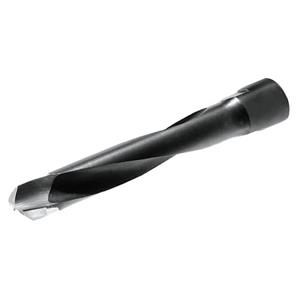
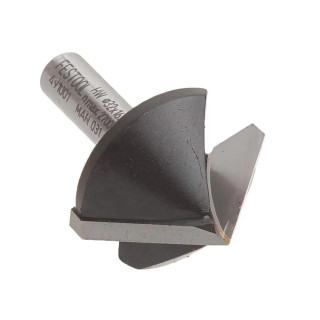
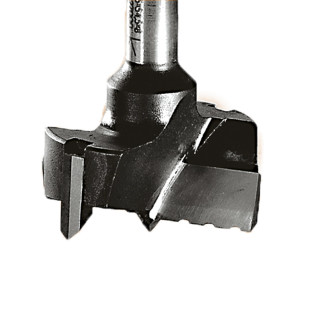
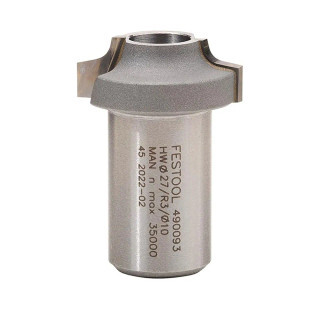
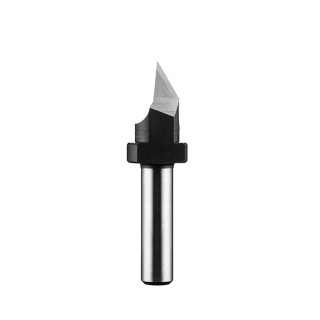
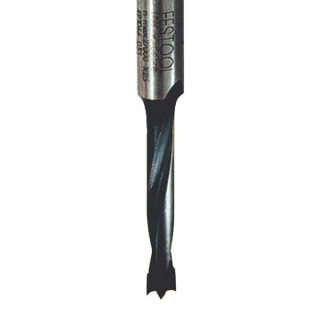
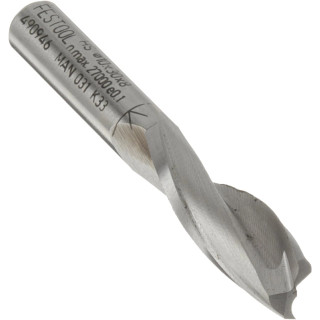
Festool router bits are for clean, repeatable cuts in timber, MDF and sheet goods, when you need a tidy edge and a joint that actually fits first time.
When you're trimming worktops, easing edges on doors, or knocking out housings and rebates for cabinets, the bit matters as much as the router. Festool router bits are made to run true and leave a clean finish, so you're not burning timber or sanding for half an hour. Pick the profile you use most, then add the sizes you reach for on every fit-out.
What Jobs Are Festool Router Bits Best At?
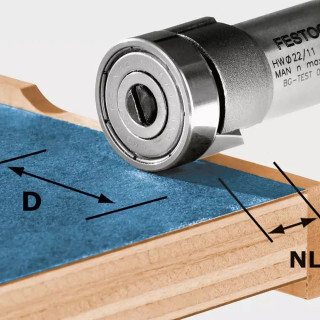
- Trimming and flushing laminate, lippings, and edging strips so panels finish clean without tearing the face veneer.
- Cutting rebates, grooves, and housings in carcass material for cabinets and shelving where the fit needs to be tight and consistent across a run.
- Putting a durable edge profile on doors, worktops, and solid timber so it looks right and stands up to knocks in busy areas.
- Template routing repeat parts for site-made jigs, doorsets, and panels, where a bit that runs true saves you rework and wasted boards.
Choosing the Right Festool Router Bits
Sorting the right bit is simple: match the cutter to the material and the finish you need, not just the shape of the profile.
1. Shank size and what your collet actually takes
If your router is set up for 8mm, stick with 8mm for better support on deeper cuts and heavier profiles. If you only have a 1/4 inch collet, buy 1/4 inch bits and do not try to bodge it with sleeves or loose adaptors.
2. Bearing guided vs non bearing cutters
If you are trimming to an edge or template, a bearing guided bit makes life easier and keeps the cut consistent. If you are cutting grooves, housings, or rebates to a fence or guide, go non bearing and set your depth and passes properly to avoid burning.
3. Carbide for site work, and how hard you push it
If you are routing MDF, laminates, or hardwood regularly, carbide is the sensible choice because it holds an edge longer. If you are getting burn marks or chatter, slow down the feed, take shallower passes, and check the bit is clean before you blame the router.
Who Uses Festool Router Bits?
- Chippies and joiners doing second-fix, doors, and trims, because a sharp, stable bit leaves a finish you can fit straight off the tool.
- Kitchen and bedroom fitters cutting clean rebates and edging work, where a rough cut shows up fast under lights and gloss panels.
- Shopfitters and bench joinery teams running templates and repeat cuts all day, because consistent diameter and a clean shear cut keeps parts interchangeable.
How Router Bits Work for You
A router bit is just a cutter on a shank, but the way it is guided and the way it clears waste is what decides whether you get a clean edge or a scorched mess.
1. Shank size equals stability
A thicker shank generally runs with less flex, which matters when you are profiling an edge or cutting deeper rebates. Less vibration means a cleaner finish and less chance of the bit grabbing on end grain.
2. Bearings follow edges and templates
A bearing guided bit rides the workpiece or template so the cutter follows the same line every time, which is ideal for flush trimming and pattern work. Keep the bearing clean and free running, because a seized bearing will burn the timber fast.
3. Sharp cutters and clean flutes clear waste
When the cutters are sharp and the flutes are clear, the bit slices and throws waste out properly, so you are not rubbing and overheating. Resin build-up is a common killer on site, so a quick clean often brings a bit back to life.
Shop Festool Router Bits at ITS
Whether you need a single replacement cutter for tomorrow's fit or you are building out a full set of Festool router bits for site and workshop work, we stock the range ready to go. It is all held in our own warehouse for fast dispatch, with next day delivery available so you are not stuck waiting mid job.
Festool Router Bits FAQs
Are Festool router bits 1/4 inch or 8mm shank?
Both exist, so do not guess. Check what collet your router is actually running and buy the matching shank size. 8mm is common on a lot of Festool setups, but some routers and trims are 1/4 inch, and the wrong shank is a bad day waiting to happen.
How long do Festool carbide router bits typically last?
It depends on what you are cutting and how you run it. In clean softwood a carbide bit can last ages, but MDF, laminates, hardwood, and hitting glue lines will dull it faster. If you start seeing burn marks, extra force needed, or a furry edge, it is time to clean it or replace it rather than pushing on and wrecking the finish.
Can I use these bits in a router table as well as handheld?
Yes, as long as the shank matches your collet and you are not overreaching the cutter. In a table, take sensible passes and keep the work supported, because big profiles and deep cuts are where chatter and burning show up quickest.
Why is my router bit burning the timber even when it is new?
Most of the time it is feed rate and depth of cut, not the bit. Take shallower passes, keep the router moving, and make sure the cutters are not clogged with resin or MDF dust. Also check the bit is seated properly in the collet, because a bit running slightly out will heat up and mark the edge.
Do I need to do anything special to look after router bits on site?
Keep them clean and keep them from rattling around in the bottom of a toolbox. A quick resin clean and a proper holder stops the cutting edges getting chipped, which is usually what ruins a bit long before it is genuinely worn out.