Festool Ladders, Access & Benches
Festool ladders and access equipment give you a safe working height and a proper platform for cutting, fitting and site set-up without wobble or wasted movement.
If you are forever stretching off a cheap stepladder or trying to cut on whatever board is lying about, this is the kit to sort first. Festool ladders, Festool workbench options and Festool access equipment are built for fitters, decorators and snagging jobs where stability matters. The Festool MFT workbench is especially handy when you want repeatable cuts, clamping points and guide rail compatibility in one place. Pair it with Festool Power Tools and buy the set-up that actually suits how you work.
What Are Festool Ladders and Benches Used For?
- Working at a safe, steady height when fitting kitchens, second fix joinery or decorating ceilings, where a proper Festool stepladder saves you overreaching and constant repositioning.
- Setting up clean, accurate cutting stations on refurbs and fit-out jobs, where a Festool workbench or Festool MFT workbench gives you support, clamping and repeatable lines.
- Handling mobile site set-ups for punch lists, maintenance calls and finishing work, where Festool access equipment is easy to move room to room without dragging bulky trestles about.
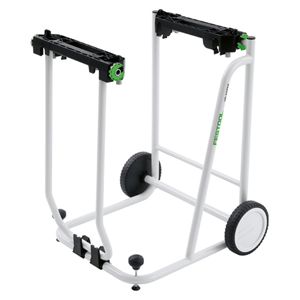
- Supporting sheet material, trim and worktops during marking out and cutting, especially when Festool sawhorses or an MFT3 workbench are used with rails and extraction.
- Keeping van stock organised around one working system, so your bench, access kit and Festool Tool Storage work together instead of fighting for space.
Choosing the Right Festool Ladders
Sort the right one by the job in front of you. Do not buy for the odd task you might do once a year.
1. Ladder or Workbench
If the job is access only, stick with Festool ladders or a Festool stepladder and keep it simple. If you are measuring, cutting, clamping and assembling on site, a Festool workbench or Festool MFT3 workbench will earn its space in the van.
2. Mobile Snagging or Full Set-Up
If you are in and out of occupied rooms all day, go for lighter Festool access equipment that moves quickly and stores easily. If you are based in one area for full installs, a larger Festool work bench gives you a better platform and less faff.
3. Rail Compatibility Matters
If you already cut with Festool rails, do not overlook the Festool MFT workbench. That bench system makes more sense than a plain table because it is built around guided, repeatable cutting instead of just giving you somewhere to dump material.
4. Think About the Whole Kit
If your bench is part of a proper site system, leave room for extraction, storage and hand kit as well. Plenty of trades pair these benches with Festool Hand Tools so everything for marking, trimming and fitting stays in one working area.
Who Uses These on Site?
- Chippies and kitchen fitters use Festool ladders and the Festool work bench for accurate cutting, hinge work and final fitting, especially when they need a flat, trusted set-up in finished rooms.
- Decorators and maintenance teams reach for Festool stepladder options for snagging, ceiling prep and touch-up work, because they are in and out of rooms all day and cannot waste time with shaky access.
- Shopfitters and interior fit-out crews swear by the Festool MFT workbench for repeat cuts and site assembly, particularly when guide rails and clamps are part of the daily set-up.
- Site managers and finishing teams use Festool access equipment for inspection, handover lists and quick fixes, and usually keep matching Festool Lighting and Electrical nearby for lofts, corridors and dim corners.
The Basics: Understanding Festool Access Equipment
With this sort of kit, the main thing is knowing whether you need height, a cutting platform, or both. Get that right and the rest of the set-up gets easier.
1. Ladders for Access
Festool ladders and Festool stepladder options are there to get you safely up to the work. They are for fitting, checking, fixing and finishing at height, not for using as a makeshift bench.
2. MFT Benches for Cutting and Assembly
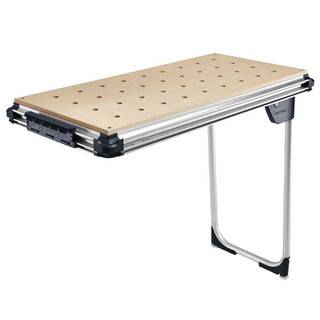
A Festool MFT workbench is more than a table. It gives you a stable top, clamping positions and a layout that works with guided cutting, so sheet material, trim and worktops can be handled more accurately on site.
3. System Set-Up Saves Time
The real benefit comes when your bench, rail, extractor and tools all work together. That means less measuring twice, less material shifting and a tidier work area when you are fitting in finished properties.
Festool Workbench Accessories That Make the Set-Up Worth Having
The right add-ons stop the bench becoming just another surface and turn it into a proper working station.
1. Clamps
Get the right clamps for your Festool workbench accessories list. You will be grateful when the worktop, trim or panel stays put instead of shifting halfway through a cut.
2. Guide Rails
If you are buying a Festool MFT workbench and skipping the rail set-up, you are missing half the point. A guide rail gives you straight, repeatable cuts without building a temporary jig every time.
3. Bench Dogs and Stops
These save a lot of messing about when you are making repeat cuts or holding awkward stock. Once they are set, you spend more time cutting and less time rechecking measurements.
4. Dust Extraction Hoses
Do not leave extraction as an afterthought. A proper hose connection keeps the cutting area clearer and saves you dragging dust through a client's house after every board you trim.
Choose the Right Festool Ladders for the Job
Use this quick guide to sort access kit from bench kit.
| Your Job | Category or Type | Key Features |
|---|---|---|
| Snagging, ceiling checks and quick second fix work | Festool stepladder | Fast to move, stable underfoot, suited to short-duration access jobs indoors. |
| Kitchen fitting and interior install work | Festool MFT workbench | Flat work surface, clamping points, guide rail compatibility and tidy site set-up. |
| Repeat cutting of sheet and trim on refurbs | Festool MFT3 workbench | Built for accurate set-out, repeated cuts and controlled handling of finished materials. |
| General mobile access across multiple rooms | Festool access equipment | Easy to carry, easy to reposition and better suited to occupied properties than bulky alternatives. |
| Supporting longer materials during cutting or assembly | Festool sawhorses | Simple support for boards, worktops and site timber without taking up bench space. |
Common Buying and Usage Mistakes
- Buying a ladder when you really need a bench wastes money and slows the job down. If you are cutting, clamping or assembling all day, go straight to a Festool workbench instead of balancing materials elsewhere.
- Using a workbench as your only access gear causes needless climbing on kit not meant for it. Keep ladders for height and benches for supported work so both last longer and stay safer.
- Ignoring guide rail compatibility on a Festool MFT workbench means you miss one of the main reasons to buy it. If your work relies on clean, straight cuts, check the bench works with the rest of your cutting set-up.
- Picking the biggest bench without thinking about van room soon becomes a headache. Measure your storage and loading space first or you will end up leaving useful kit back at the yard.
- Skipping bench accessories usually leads to makeshift fixes and wasted time. Proper clamps, stops and extraction parts are what make the system practical on a real site.
Stepladders vs MFT Workbenches vs Sawhorses
Festool Stepladders
Best when the main job is getting up to the work safely for fitting, decorating or checks. They are quicker for access tasks, but they do not replace a proper cutting or assembly station.
Festool MFT Workbenches
Best for joinery, fit-out and controlled cutting where accuracy matters. They take up more van space than a ladder, but if you work with rails, clamps and finished boards, this is the smarter buy.
Festool Sawhorses
Best as simple support for long stock, sheet material and rougher cutting jobs. They are handier than a full bench for basic support, but you lose the clamping and guided system benefits of an MFT set-up.
Maintenance and Care
Clean Down After Dusty Work
Brush off plaster, MDF dust and site dirt after use, especially around hinges, feet and moving parts. Letting dust build up is what makes access kit feel rough and benches stop working cleanly.
Check Feet, Joints and Locks
Give ladders and folding bench parts a quick once-over before loading out. Worn feet, loose fixings or tired locking points are small problems until the day they are not.
Keep Bench Tops Usable
Do not let glue, filler and cut-off damage build up across the work surface. A clean top keeps stock sitting flat and helps your cuts stay true, especially on MFT-style benches.
Store Dry and Stack Sensibly
Do not throw access equipment under wet gear in the van and forget about it. Dry storage helps stop corrosion, keeps moving parts working and stops bench tops warping or getting battered.
Repair Small Faults Early
If a foot is worn, a fitting is loose or an accessory no longer locks in properly, sort it before the next job. Leaving it usually means poorer accuracy, more wobble or a full replacement sooner than needed.
Why Shop for Festool Ladders at ITS?
Whether you need Festool ladders, a Festool workbench, Festool sawhorses or Festool workbench accessories, we stock the proper range for trade set-ups. It is all held in our own warehouse, ready for next day delivery, so you can get the access kit and bench system you need without hanging about. You can also sort the rest of the loadout with Festool Workwear and PPE in the same order.
Festool Ladders and Workbench FAQs
What ladders and benches does Festool make?
Festool is best known here for site-ready access equipment and bench systems geared around accurate fitting and cutting. That includes Festool ladders, Festool stepladder options, Festool sawhorses and the Festool MFT workbench range, built to work as part of a wider jobsite set-up rather than as stand-alone odds and ends.
What is the Festool MFT workbench?
It is a portable workbench system designed for cutting, clamping, supporting and assembling materials on site. In plain terms, it gives you a flatter, more controlled place to work than a pair of trestles and a sheet of scrap, especially when accuracy matters.
Are Festool ladders suitable for professional tradespeople?
Yes. They are aimed at trade users who need stable, dependable access kit for regular site and fitting work. If you are in and out of occupied homes, commercial interiors or finish-stage jobs, this sort of gear makes more sense than cheap domestic access that starts flexing after a few weeks.
Is the Festool MFT workbench compatible with the guide rail system?
Yes, that is one of the main reasons trades buy it. The Festool MFT workbench is built to work neatly with the guide rail set-up, which helps with straight, repeatable cuts and a cleaner workflow on joinery, fit-out and kitchen jobs.
Is a Festool work bench worth it if I already use trestles?
If you only need rough support for odd jobs, trestles are still fine. If you are doing repeat cuts, fitting finished panels or working in clients' homes where tidiness and accuracy count, a Festool work bench is a much better long-term set-up.
Do I need accessories to get the most from a Festool MFT3 workbench?
Honestly, yes. You can use it as a plain surface, but the real benefit comes with clamps, stops, rails and extraction. Without those, you are not getting the full value from the bench or the system around it.