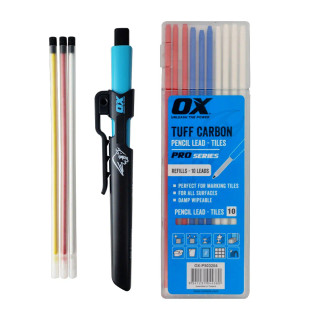
Festool Pens, Pencils & Markers
Festool pens cover the simple site jobs that matter most marking cut lines, setting out, labelling gear and keeping work neat from bench to snagging.
When you're setting out joinery, marking sheet stock, or scribbling quick notes on site, decent marking tools save time and arguments. Festool pens, Festool pencils, and Festool markers are the sort of everyday bits that live in your pocket, tool bag, or van door and get used far more than you think. If you already run Festool Hand Tools, it makes sense to keep your marking kit just as sorted. Have a look through the range and pick the ones that suit how you work.
What Are Festool Pens Used For?
- Marking out timber, sheet material, and trim before cutting helps keep lines clear and reduces daft mistakes once the saw starts up.
- Labelling parts, fittings, and install positions on first fix and second fix jobs makes handover and fitting a lot smoother, especially when several trades are working in the same area.
- Writing quick measurements, snag notes, and setting-out references on boards, packaging, or bench sheets saves you going back and forth for the same dimensions.
- Keeping Festool pencils and Festool markers in the van or Systainer means you've always got proper marking tools to hand when paired with Festool Guides and Measures.
Choosing the Right Festool Pens
Sorting the right marking kit is simple. Match it to the surface and the job, not whatever happens to be loose in the van.
1. Pen, Pencil, or Marker
If you are marking timber for cutting or scribing, Festool pencils usually make more sense because the line is easy to see and quick to refresh. If you are labelling boxes, writing notes, or marking smoother surfaces, Festool pens or Festool markers are the better shout.
2. Think About the Surface
If the material is rough sawn, dusty, or unfinished, go for a marking tool that leaves a visible line without tearing up. On cleaner finished boards, packaging, or plastics, a pen or marker is normally tidier and easier to read.
3. Single Replacements or Sets
If your lads are forever walking off with pencils, buying a Festool pencil set saves hassle. If you just need one solid marker or a spare for your own bag, keep it simple and replace only what you actually use.
4. Keep It With the Rest of Your Kit
Do not leave marking tools rolling round the van floor. If you keep them with Festool Tool Storage, you are far less likely to lose them halfway through a fit-out.
Who Uses These on Site?
- Chippies and joiners use Festool carpenter pencils for setting out studwork, cutting sheet goods, and marking trim where a clean, readable line matters.
- Kitchen fitters and cabinet installers keep Festool pens in a pocket for quick notes, hinge positions, and marking panels before final cuts.
- Site managers and snagging teams use Festool branded pens for labelling boxes, noting defects, and keeping handover lists straight without hunting round for a working biro.
- Workshop users and bench joiners often pair them with Festool Cutting Tools so the line goes down clearly before the blade goes anywhere near the material.
Useful Extras for Festool Marking Tools
A few simple add-ons make marking out quicker and stop small jobs turning into a faff.
1. Chalk Lines
For longer straight runs on boards, floors, or framing, a Festool chalk line saves you trying to join short pencil marks by eye and ending up off line by a few millimetres.
2. Guides and Measures
There is no point having a clear marker if the measurement is off. Pairing pens and pencils with squares, rules, and measuring kit keeps your layout right first time.
3. Pencil Sets and Refills
A spare Festool pencil set stops the usual problem of snapping the last pencil tip or lending one out and never seeing it again when you are halfway through setting out.
Choose the Right Festool Pens for the Job
Use this quick guide to sort the right marking tool for the work in front of you.
| Your Job | Category or Type | Key Features |
|---|---|---|
| Marking timber before sawing or scribing | Festool carpenter pencils | Clear visible line, easy to sharpen, works well on rougher wood surfaces |
| Writing notes on packaging, plans, or job sheets | Festool branded pens | Quick writing, tidy line, handy for snag lists and labelled parts |
| Marking darker boards or mixed site materials | Festool markers | Bolder line, easier to spot at a glance, useful where pencil gets lost |
| Setting out long straight runs | Festool chalk line | Fast straight layout over distance, ideal for floors, sheet runs, and framing |
Common Buying and Usage Mistakes
- Buying only pens when most of your work is timber setting out is a common miss. A pencil line is often easier to see, easier to adjust, and better suited to rough wood.
- Using light or fine markers on dusty or dark materials wastes time because the line disappears. Match the marker to the surface so you are not remarking everything twice.
- Treating marking tools as throwaway bits means you never have one when it matters. Keep spares in your main kit or storage so you are not borrowing from everyone else on site.
- Trying to mark long straight runs freehand instead of using a chalk line or guide usually leaves you chasing the line later. Use the right layout tool and save yourself the rework.
Pens vs Pencils vs Markers
Festool Pens
Best for writing notes, labelling parts, and general site paperwork. They are tidy and handy, but on rough timber they are not always the best option.
Festool Pencils
Usually the right choice for joinery, studwork, and sheet cuts where you need a clear layout line on wood. They are easier to control on raw material and simple to sharpen back up.
Festool Markers
Better where you need a bolder line or are marking mixed materials. They stand out well, though for fine joinery lines a pencil can still be the cleaner option.
Maintenance and Care
Keep Them Clean
Wipe off plaster dust, sawdust, and site muck at the end of the day. Dirty pens and markers are more likely to dry out or stop writing properly when you need them.
Store Them Properly
Keep marking tools in a pouch, case, or organiser rather than loose in the van. It stops broken pencil tips, split marker caps, and the usual hunt for a pen that has rolled under everything.
Sharpen Pencils Before They Are Useless
Do not wait until the point is crushed flat and the line is half an inch wide. A properly sharpened carpenter pencil gives you a cleaner, more reliable mark.
Cap Markers and Pens Straight Away
Leaving lids off, even for short spells, is the quickest way to dry them out. Cap them as soon as the line is down and they will last a lot longer.
Why Shop for Festool Pens at ITS?
Whether you need Festool pens for day to day site notes, Festool pencils for joinery lines, or Festool markers for bolder marking, we stock the proper range in one place. From single replacements to everyday marking tools that sit with the rest of your Festool kit, it is all in our own warehouse and ready for next day delivery.
Festool Pens FAQs
What marking tools does Festool make?
Festool makes a practical range of marking tools including Festool pens, Festool pencils, Festool markers, and items such as a Festool chalk line. It is the everyday setup for marking cut lines, writing notes, and setting work out properly on site or in the workshop.
Are Festool carpenter pencils standard size?
Yes, Festool carpenter pencils are made for normal trade use and suit the sort of sharpening and handling you would expect on site. They are the kind of pencils joiners and chippies can keep in a pocket without any special faff.
What is included in the Festool pen and pencil range?
The Festool pen and pencil range typically covers branded pens for notes and labels, carpenter pencils for timber layout, markers for bolder lines, and selected sets or marking accessories. What matters is choosing the one that suits the surface and the job, rather than buying blind.
Are Festool markers suitable for marking on wood?
Yes, Festool markers are suitable for marking on wood, especially where you want a line that stands out more than pencil. On rough timber or for finer joinery work, plenty of trades will still reach for a carpenter pencil first because it is easier to control and adjust.
Are these just branded giveaways, or proper site-use marking tools?
They are proper everyday marking tools, not just drawer fillers. Pens handle notes and labels, pencils cover timber setting out, and markers give you a bolder line where needed. Simple kit, but the sort you end up using all day.
Will Festool pens and markers cope with dusty workshop use?
Yes, for normal workshop and site use they do the job well, but like any pen or marker they work better if you keep the tip and cap clean. If they are buried in sawdust with the lid half off, expect them to dry out sooner.