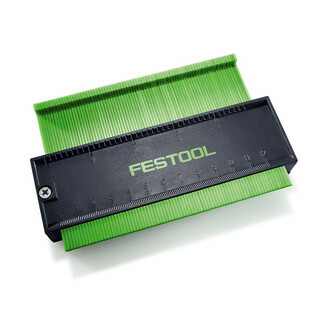
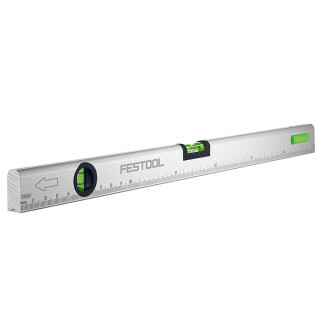
Festool Guides and Measures
Festool measuring tools are built for set-out, marking and repeat accuracy on joinery, fit-out and install work where a bad line costs time and materials.
When you're scribing kitchens, setting guide rails or marking repeated cuts, guesswork just makes more work. Festool guides and measuring equipment are the bits joiners, fitters and cabinet lads reach for when square actually needs to be square. Proper layout tools, clean markings and reliable references make the rest of the job go right. If you need accuracy that holds up from bench to site, start here.
What Are Festool Measuring Tools Used For?
- Setting out kitchen units, wardrobes and built-ins is where Festool measuring tools earn their keep, giving you repeat marks and square reference lines that stop small errors stacking up across a full run.
- Marking sheet materials for saw cuts is quicker and cleaner with Festool guides, especially when you need rails, cuts and fixings to land exactly where they should on first pass.
- Checking carcasses, frames and finished joinery for squareness helps avoid twist, gaps and awkward remedial work once the job is already being assembled or installed.
- Scribing and trimming on second fix jobs is easier with Festool measuring equipment that gives you dependable lines on boards, panels and finished faces without constant double checking.
- Working through repeat workshop prep or site fit-out goes smoother when your Festool square, marking gauge and guide tools all tie the layout side of the job together properly.
Choosing the Right Festool Measuring Tools
Sorting the right Festool measuring tools is simple: buy for the layout work you actually do, not just what looks tidy in the box.
1. Square Work vs Measuring Work
If most of your day is checking carcasses, marking cut lines and setting out joinery, go straight for a Festool square or Festool squares set. If you are mainly pulling dimensions on site, add proper measuring kit first, then build out the guide side after.
2. Bench Accuracy vs Site Carry
If the tools live in a workshop or van racking and come out for precise bench work, larger precision guides make sense. If you are constantly moving room to room on installs, smaller Festool measuring equipment is easier to keep close and less likely to get knocked about.
3. One Off Marks vs Repeat Layout
If you just need quick dimensions and occasional checks, keep it simple. If you are repeating the same offsets, scribes or hardware positions all day, a Festool marking gauge or dedicated guide tools will save time and keep every piece matching.
4. Standalone Use vs System Use
If you already work on Festool rails and bench systems, choose Festool guides that tie into that setup properly. It saves messing about with makeshift references and helps your cuts and markings line up with the rest of the kit you already trust.
Who Uses These on Site?
- Joiners and cabinet makers rely on Festool measuring tools for sheet layout, carcass assembly and fine install work where being a millimetre out shows up straight away.
- Kitchen fitters use Festool guides and squares for setting rails, marking filler panels and keeping long runs of units neat, level and consistent from one end to the other.
- Chippies on first and second fix keep this sort of Festool measuring equipment close for door linings, panelling, stud layout and trim work that needs clean, repeatable marks.
- Shopfitters and interior fit-out teams swear by accurate guide tools because repeated cuts, drilled hardware positions and finished reveals all depend on solid set-out before the tools even start.
The Basics: Understanding Festool Guides and Measures
These tools are about one thing: giving you a reference you can trust before you cut, drill or fit. Here is the bit that matters on site.
1. Squares Give You a True Starting Line
A proper Festool square sets your 90 degree reference so rails, panels and components start right. If your first line is off, every cut and fixing that follows chases the mistake.
2. Guides Keep Repeated Work Consistent
Festool guides help you repeat the same offset, position or line across multiple parts. That matters when you are fitting full kitchens, making cabinets or trimming several panels to match.
3. Measuring Tools Are Only as Good as the Mark They Leave
Good Festool measuring equipment is not just about reading a size. It is about putting down a clean, visible, reliable mark that still makes sense when you move from bench layout to cutting and assembly.
Festool Measuring Accessories That Save Time on Site
The right add-ons stop layout errors, keep your marks clear and make guide tools easier to use properly.
1. Festool Pens Pencils and Markers
A dead accurate square is no use if your line is thick, vague or wipes off finished boards. Keep proper marking gear with your layout kit so your measurements turn into cuts you can trust.
2. Festool Tape Measures
You still need fast pull measurements before the square and guides come out. A reliable tape saves the usual back and forth when you are checking openings, setting centres or transferring sizes across a room.
3. Festool Clamps
If your guide or workpiece shifts mid mark, the whole setup is pointless. Clamps keep rails, panels and benches steady so your reference stays put while you mark, check and cut.
Choose the Right Festool Measuring Tools for the Job
Match the tool to the layout job and you will save yourself rework later.
| Your Job | Category or Type | Key Features |
|---|---|---|
| Setting out cabinets, frames or sheet cuts | Festool square | True 90 degree reference, clean marking edge, dependable repeat checks |
| Repeating offsets or transfer marks across several parts | Festool marking gauge | Consistent scribe lines, quicker repeat work, less measuring twice |
| Working with rail based cutting setups | Festool guides | System friendly references, accurate alignment, better layout before cutting |
| General site measuring and opening checks | Festool measuring equipment | Fast dimensions, clear readings, easy carry between rooms and tasks |
| Workshop prep with repeated joinery parts | Festool precision guides | Repeatable setup, tighter consistency, less waste on batch work |
Common Buying and Usage Mistakes
- Buying a square when the real problem is repeated marking work slows you down. If you are constantly transferring the same line or offset, a marking gauge or dedicated guide tool will do the job faster and with fewer errors.
- Using accurate measuring tools with blunt pencils or thick markers wastes the point of buying decent kit. Fine layout work needs a clean, controlled mark or your cut line becomes guesswork.
- Assuming every guide works the same with every setup catches lads out. If you already run Festool rails or benches, check compatibility first so you are not bodging references on site.
- Throwing measuring gear loose in the van is a good way to knock it out or damage edges. Keep squares and guides protected, especially if you depend on them for finished joinery and install work.
- Only checking one point for square can leave twist or taper unnoticed until assembly. Use the tool across the full workpiece and recheck after moving panels or clamping up.
Squares vs Marking Gauges vs Guide Tools
Festool Squares
Best for checking and marking true 90 degree lines on panels, frames and carcasses. If your work starts with cut accuracy and assembly accuracy, this is usually the first thing to buy.
Festool Marking Gauges
Better for repeated scribes, offsets and transfer lines where doing the same mark over and over needs to stay consistent. They save time on batch work but they do not replace a proper square for checking assemblies.
Festool Guide Tools
The right pick when your layout ties into rails, benches or cutting systems. They help line the whole process up, but they work best when you already know how the rest of your setup is meant to reference from them.
Maintenance and Care
Keep Edges Clean
Wipe off dust, glue, graphite and site muck after use. Build-up along the working edge is enough to throw a line off, especially on finer joinery and panel work.
Store Them Flat and Protected
Do not chuck squares and guides under heavier kit in the van. Keep them flat in a case, drawer or protected rack so they do not get bent, chipped or knocked out.
Check Accuracy Regularly
If a square has taken a drop, check it before trusting it on finished work. A quick test against a known straight and square reference can save a lot of expensive rework.
Use the Right Marker
Avoid scratching finished faces with the wrong scriber or clogging surfaces with thick waxy pencils. Match your marking gear to the material so the layout stays readable and tidy.
Replace Damaged Pieces Early
If the edge is burred, the face is warped or the markings are no longer readable, retire it from precise work. Measuring kit is only useful while you can trust it without second guessing.
Why Shop for Festool Measuring Tools at ITS?
Whether you need a Festool square, marking gauge, guide tools or wider Festool measuring accessories, we stock the proper range in one place. You will also find the wider Festool Hand Tools lineup, all held in our own warehouse and ready for next day delivery.
Festool Measuring Tools FAQs
What measuring and guide tools does Festool make?
Festool makes a solid range of measuring and layout kit including squares, marking gauges, guide tools and measuring accessories for joinery, fit-out and rail based cutting setups. It is the sort of gear used for set-out, repeat marking and keeping install work accurate from first line to final fit.
Are Festool guide tools compatible with the guide rail system?
Yes, many Festool guide tools are designed to work alongside the guide rail system, which is the whole point for a lot of users. Still check the exact product before buying, because system fit is where accuracy comes from and guessing it usually ends in wasted time.
What is the most accurate Festool measuring tool?
That depends on the job. For checking and striking true square lines, a Festool square is usually the one lads trust most. For repeated offsets or scribes, a marking gauge can be more accurate in practice because it removes the chance of measuring the same thing slightly differently each time.
Are Festool squares suitable for professional joinery?
Yes, that is exactly where they make sense. Festool squares are suited to professional joinery, cabinet work and site installation where a clean, reliable reference line matters and sloppy layout is not acceptable.
Do I need a square and a tape measure, or will one do the lot?
You need both if you are doing proper set-out. The tape gets the dimension, the square makes sure that dimension turns into a straight usable line. If you need one place to start, look at Festool Tape Measures for the pull measurements and pair them with your layout tools.
What should I keep with my measuring kit so I am not hunting round site?
Keep your square or guide with a fine marker and something to hold the work steady. Most lads pair them with Festool Pens Pencils and Markers for clear lines and Festool Clamps when rails, panels or benches need locking off before marking.