Dewalt Tool Belts, Pouches & Rolls Dewalt Tool Belts, Pouches & Rolls

Dewalt Tool Belts, Pouches & Rolls

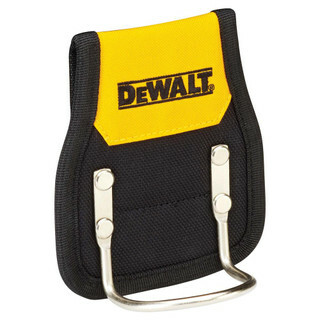
A DeWalt drill holster stops you balancing a driver on a ladder or burying it in rubble between fixings.

If you're in and out of pockets all day on first fix, a cordless DeWalt drill holster keeps the tool on your hip, handle-forward, so you can grab it one-handed and crack on. Look for solid stitching, a stiff opening that doesn't collapse, and a belt fit that won't twist when you're bending and climbing.

What Are DeWalt Drill Holsters Used For?

  • Working up ladders and hop-ups where you need your cordless drill to stay put, not slide off a step or get kicked across the floor.
  • First fix and snagging runs where you're constantly swapping between drill, impact driver and fixings, so the tool is always in the same place on your belt.
  • Keeping your drill off dusty floors and wet ground on refurbs and externals, which helps protect vents, chucks and battery contacts from site muck.
  • One-handed tool parking when you're holding timber, trunking, or sheet material with the other hand and can't afford to keep putting the drill down.

Choosing the Right DeWalt Drill Holster

Match the holster to how you actually work on site, because a sloppy fit twists on your belt and ends up getting binned.

1. Tool fit and opening stiffness

If you're running a compact driver, a tighter holster keeps it secure. If you're on a bigger DeWalt drill with a battery that bulks out, make sure the mouth is stiff and wide enough so you can dock it one-handed without fighting the pouch.

2. Belt attachment that won't roll

If you're bending, kneeling and climbing all day, go for a holster with a proper belt loop or rigid clip that sits flat. If it can slide around the belt, it will, and you'll spend the day re-positioning it.

3. Left or right carry and extra storage

If you're right-handed, you normally want the drill on the right and fixings on the left so you're not crossing arms. If you only need the holster for parking the tool, keep it simple, but if you're constantly swapping bits, a small side sleeve saves trips back to the box.

Who Uses DeWalt Drill Holsters on Site?

  • Sparkies and data installers doing first fix, because it keeps the drill to hand while you're measuring, marking and clipping in.
  • Chippies and kitchen fitters who are up and down steps all day, so the drill lives on the hip instead of on the nearest worktop.
  • Maintenance teams and snaggers who want a consistent place for the driver when moving room to room, especially in occupied buildings.

Accessories That Make a Drill Holster Work Properly

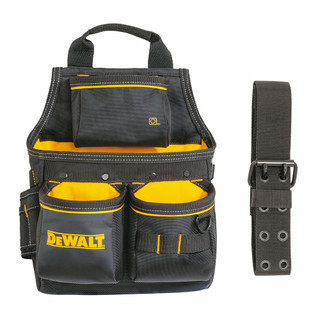
A holster is only as good as what it's hanging off, so sort the belt and the small add-ons that stop you fumbling.

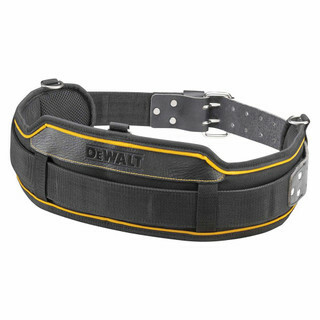
1. Tool belt or work belt

A decent belt stops the holster sagging and twisting when the drill's in and out all day, especially if you're carrying a battery tool and fixings at the same time.

2. Bit holder or bit pouch

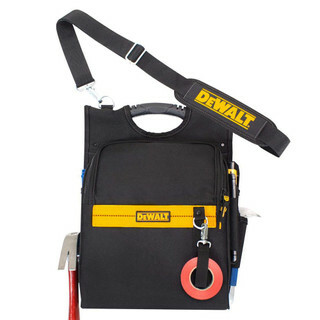
Keep your most-used bits and a couple of drivers on your belt so you're not digging in pockets or walking back to the toolbox every time you swap from PZ2 to a hex.

3. Tape measure clip or pouch

If you're marking out and fixing as you go, having the tape in the same place as the drill saves time and stops it getting smashed when it's loose in a pocket.

Shop DeWalt Drill Holsters at ITS

Whether you need a simple DeWalt drill holster for quick snagging or a cordless DeWalt drill holster that sits right on a full belt set-up, we stock the range to suit different carry styles and site jobs. It's all held in our own warehouse, in stock and ready for next-day delivery.

DeWalt Drill Holster FAQs

Will a DeWalt drill holster fit both a drill and an impact driver?

Most will take a drill or impact driver fine, but the real difference is battery size and the tool's overall bulk. If you run bigger batteries, check you've got enough clearance so it drops in cleanly without snagging.

Does a cordless DeWalt drill holster actually stay put on a belt, or does it swing about?

If the holster has a solid belt loop or a rigid clip and you're using a proper work belt, it stays where you set it. On a soft trouser belt, any holster will roll and swing once the drill's in and out all day.

Is it safe to use a drill holster when working at height?

It's safer than balancing the tool on a step or a joist, but it's not a fall-arrest system. If you're on proper height work with drop risk, use the right site controls and consider tool lanyards where required.

What's the main thing that makes a drill holster last on site?

Stitching and the mouth of the holster. Good stitching stops the belt loop tearing out, and a stiffened opening stops it collapsing so you're not forcing the drill in and ripping the material over time.

Will a DeWalt drill holster scratch or damage the tool?

Normal wear is expected, but a decent holster shouldn't gouge the casing. Keep sharp fixings and loose bits out of the holster area, because that's what usually causes scratches and scuffs.
Read more

Dewalt Tool Belts, Pouches & Rolls

A DeWalt drill holster stops you balancing a driver on a ladder or burying it in rubble between fixings.

If you're in and out of pockets all day on first fix, a cordless DeWalt drill holster keeps the tool on your hip, handle-forward, so you can grab it one-handed and crack on. Look for solid stitching, a stiff opening that doesn't collapse, and a belt fit that won't twist when you're bending and climbing.

What Are DeWalt Drill Holsters Used For?

  • Working up ladders and hop-ups where you need your cordless drill to stay put, not slide off a step or get kicked across the floor.
  • First fix and snagging runs where you're constantly swapping between drill, impact driver and fixings, so the tool is always in the same place on your belt.
  • Keeping your drill off dusty floors and wet ground on refurbs and externals, which helps protect vents, chucks and battery contacts from site muck.
  • One-handed tool parking when you're holding timber, trunking, or sheet material with the other hand and can't afford to keep putting the drill down.

Choosing the Right DeWalt Drill Holster

Match the holster to how you actually work on site, because a sloppy fit twists on your belt and ends up getting binned.

1. Tool fit and opening stiffness

If you're running a compact driver, a tighter holster keeps it secure. If you're on a bigger DeWalt drill with a battery that bulks out, make sure the mouth is stiff and wide enough so you can dock it one-handed without fighting the pouch.

2. Belt attachment that won't roll

If you're bending, kneeling and climbing all day, go for a holster with a proper belt loop or rigid clip that sits flat. If it can slide around the belt, it will, and you'll spend the day re-positioning it.

3. Left or right carry and extra storage

If you're right-handed, you normally want the drill on the right and fixings on the left so you're not crossing arms. If you only need the holster for parking the tool, keep it simple, but if you're constantly swapping bits, a small side sleeve saves trips back to the box.

Who Uses DeWalt Drill Holsters on Site?

  • Sparkies and data installers doing first fix, because it keeps the drill to hand while you're measuring, marking and clipping in.
  • Chippies and kitchen fitters who are up and down steps all day, so the drill lives on the hip instead of on the nearest worktop.
  • Maintenance teams and snaggers who want a consistent place for the driver when moving room to room, especially in occupied buildings.

Accessories That Make a Drill Holster Work Properly

A holster is only as good as what it's hanging off, so sort the belt and the small add-ons that stop you fumbling.

1. Tool belt or work belt

A decent belt stops the holster sagging and twisting when the drill's in and out all day, especially if you're carrying a battery tool and fixings at the same time.

2. Bit holder or bit pouch

Keep your most-used bits and a couple of drivers on your belt so you're not digging in pockets or walking back to the toolbox every time you swap from PZ2 to a hex.

3. Tape measure clip or pouch

If you're marking out and fixing as you go, having the tape in the same place as the drill saves time and stops it getting smashed when it's loose in a pocket.

Shop DeWalt Drill Holsters at ITS

Whether you need a simple DeWalt drill holster for quick snagging or a cordless DeWalt drill holster that sits right on a full belt set-up, we stock the range to suit different carry styles and site jobs. It's all held in our own warehouse, in stock and ready for next-day delivery.

DeWalt Drill Holster FAQs

Will a DeWalt drill holster fit both a drill and an impact driver?

Most will take a drill or impact driver fine, but the real difference is battery size and the tool's overall bulk. If you run bigger batteries, check you've got enough clearance so it drops in cleanly without snagging.

Does a cordless DeWalt drill holster actually stay put on a belt, or does it swing about?

If the holster has a solid belt loop or a rigid clip and you're using a proper work belt, it stays where you set it. On a soft trouser belt, any holster will roll and swing once the drill's in and out all day.

Is it safe to use a drill holster when working at height?

It's safer than balancing the tool on a step or a joist, but it's not a fall-arrest system. If you're on proper height work with drop risk, use the right site controls and consider tool lanyards where required.

What's the main thing that makes a drill holster last on site?

Stitching and the mouth of the holster. Good stitching stops the belt loop tearing out, and a stiffened opening stops it collapsing so you're not forcing the drill in and ripping the material over time.

Will a DeWalt drill holster scratch or damage the tool?

Normal wear is expected, but a decent holster shouldn't gouge the casing. Keep sharp fixings and loose bits out of the holster area, because that's what usually causes scratches and scuffs.
ITS Click and Collect Icon
What3Words:
Get Directions
Store Opening Hours
Opening times