Dewalt Pneumatic (Air) Tools
DeWalt air gun and pneumatic air tools are built for repeat fixing, trim work, roofing and first fix where speed matters and downtime costs you.
If you're firing fixings all day, a proper DeWalt air gun saves your wrist and keeps pace without waiting on charge times. DeWalt pneumatic tools are the sort of kit joiners, roofers and fit-out lads reach for when they need consistent drive, less faff and a lighter tool in hand. Pair your DeWalt air tools with the right compressor, hose and nails, and you have a setup that just gets on with skirting, studwork, cladding and sheet fixing. If air is the better call for your workload, this is where to sort it properly.
What Are DeWalt Air Tools Used For?
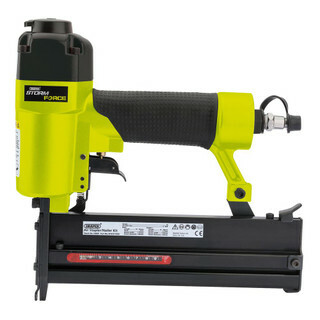
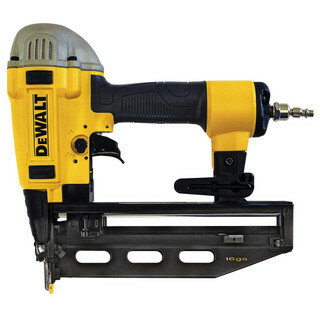
- Fixing skirting, architrave and second-fix trim is where a DeWalt pneumatic nailer earns its keep, giving you fast repeat shots without dragging a heavier cordless nailer round finished rooms.
- Building stud partitions, timber framing and first-fix carcassing is easier with a DeWalt air gun because you can keep firing all day once the compressor is set up and the hose is run.
- Working on roofing battens, cladding and sheet material suits DeWalt compressed air tools when you need steady driving power and less downtime across bigger fixing runs.
- Fitting cabinets, panels and finer joinery calls for a DeWalt brad nailer pneumatic setup, especially where you want clean placement and a lighter tool that is easy to control one-handed.
- Keeping production moving in workshops, fit-out jobs and repeat install work is exactly what DeWalt air powered tools are for, particularly when several lads are working off the same compressor setup.
Choosing the Right DeWalt Air Tool
Match the gun to the fixing and the setup to the day. That is the bit that saves money and grief.
1. Brad Nailer or Framing Nailer
If you are fixing trims, beads, panels or lighter joinery, go for a DeWalt brad nailer pneumatic model. If you are on studwork, carcassing or heavier timber sections, do not mess about with a light nailer that is under-gunned for the job.
2. Compressor Size Matters
A DeWalt air gun is only as useful as the air feeding it. If you are doing short bursts on trim, a smaller compressor may do. If you are firing all day or running more than one tool, get enough tank capacity and airflow or you will spend half the day waiting for pressure to build back up.
3. Hose Length and Site Access
If you are room to room on second fix, think about hose length and how much dragging about you can live with. In tighter finished spaces, a lighter DeWalt pneumatic nailer with a sensible hose setup is far easier to work with than a clumsy line catching every doorway.
4. Air Setup or Battery Platform
If your van and site routine already revolve around compressors, DeWalt pneumatic tools make solid sense. If you are mixing air kit with cordless on the same jobs, it is worth looking at Dewalt FLEXVOLT More Power Tools so your setup suits both fixed bench work and mobile site jobs.
Who Uses These on Site?
- Chippies use DeWalt pneumatic air tools for first fix and second fix because they are quick on repeat timber fixing and easier on the arm over a full shift.
- Roofers and cladding teams reach for a DeWalt nail gun air setup when they are covering bigger areas and need reliable drive without stopping to swap batteries.
- Shopfitters and fit-out teams keep a DeWalt brad nailer pneumatic tool close for trims, panels and neat finishing where control matters more than brute force.
- Workshop joiners and bench teams swear by DeWalt air tools for production work because once the line is set up, they can keep moving through jobs at a steady pace.
- Site maintenance teams and snagging crews use a DeWalt air gun where a compressor is already on site and they want a lighter fixing tool for quick repeat tasks.
The Basics: Understanding DeWalt Pneumatic Air Tools
These tools run off compressed air rather than an onboard battery or motor. The main thing to understand is how that affects power, speed and what else you need on site.
1. The Compressor Does the Hard Work
A DeWalt air gun uses compressed air from a separate DeWalt air compressor or other suitable compressor to drive fixings home. That means the tool in your hand stays lighter, which matters when you are fixing overhead or working through long runs of timber or trim.
2. PSI and Airflow Need to Match
Most DeWalt air powered tools work within a stated PSI range, but pressure is only half the story. If the compressor cannot keep up with the airflow demand, the tool starts slowing down or firing inconsistently, which is no good when you are trying to keep lines neat and work moving.
3. Best for Repeat Fixing
DeWalt compressed air tools come into their own when you are doing the same fixing job again and again. Once the hose is out and the pressure is set, they are quick, consistent and less tiring than lugging heavier kit through a full day.
DeWalt Air Tool Accessories That Keep the Job Moving
Get the support kit right and your DeWalt pneumatic tools are far less hassle on site.
1. Airline Hoses and Fittings
A decent hose and proper couplers stop the usual nonsense of pressure drop, snagging and leaks. Buy cheap fittings and you will know about it the first time the gun starts misfiring halfway through a run.
2. Nails and Brad Packs
Get the right gauge, length and finish for the material you are fixing. Using the wrong nails is the fast way to bent fixings, proud heads and wasted time pulling work apart.
3. Oil and Maintenance Bits
If your model calls for oiling, keep it in the case and use it. A dry air tool wears faster, sticks more and ends up back in the van when it should still be earning.
4. Cases and Storage
Do not leave a nailer loose under a pile of gear. Proper DeWalt Tool Storage keeps the gun, hose ends and consumables together so you are not hunting round site for bits before you can start.
Choose the Right DeWalt Air Tool for the Job
Pick the nailer type around the fixing job, not just the badge on the side.
| Your Job | DeWalt Air Tool Type | Key Features |
|---|---|---|
| Fitting skirting, architrave and trim | Pneumatic brad nailer | Lighter in hand, cleaner fixing, better control on finished work |
| Second fix joinery and panelling | Finish nailer | Good holding power with neater heads and less filling to sort |
| Studwork, carcassing and heavier timber fixing | Framing nailer | Built for larger fixings, stronger drive, quicker repeat firing |
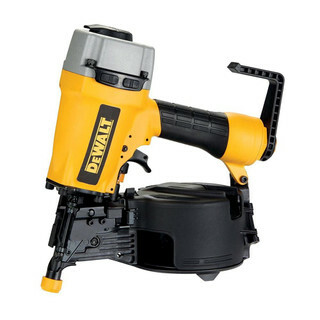
| Roofing or cladding runs | Roofing or coil nailer | Better for repetitive external fixing where speed and reload time matter |
| Bench work and workshop production | Compact pneumatic nailer | Easy handling, less fatigue, ideal where a compressor is always set up |
Common Buying and Usage Mistakes
- Buying a DeWalt air gun without checking compressor output is the big one. If the compressor cannot supply the right airflow and pressure, the tool will feel unreliable even when the gun itself is sound.
- Using a brad nailer for structural or first-fix work is asking too much of the wrong tool. Match the nailer to the fixing size and material or you will end up with weak hold and rework.
- Running long or poor-quality hoses without thinking about pressure loss causes weak or inconsistent firing. Keep the hose setup sensible and use decent fittings if you want the tool to perform properly.
- Ignoring maintenance on DeWalt pneumatic tools shortens their life fast. Clean them, oil them if required and keep dust out the mechanism instead of chucking them back in the van wet and filthy.
- Choosing nails on price alone usually costs more in the end. Wrong gauge, poor collation or the wrong finish leads to jams, misfires and a finish that looks rougher than it should.
Brad Nailer vs Finish Nailer vs Framing Nailer
Brad Nailer
Best for lighter second-fix work like trims, beads and finer joinery. It leaves a neater finish, but it is not the right choice for heavier timber where you need stronger holding power.
Finish Nailer
This sits in the middle and suits a lot of joinery and fit-out work. It gives you more bite than a brad nailer without stepping all the way up to a bulkier framing tool.
Framing Nailer
Built for studwork, carcassing and heavier first-fix jobs where you need proper drive and bigger fixings. It is overkill for fine trim, but it is the right tool when lighter nailers simply will not hold.
Maintenance and Care
Keep the Air Inlet Clean
Dust and site grit get everywhere, especially in joinery and first-fix work. Wipe the tool down and keep the air connection clean so dirt is not dragged into the mechanism.
Oil It If the Tool Requires It
Some DeWalt air tools need regular lubrication to stay smooth. Skip it and the gun starts sticking or wearing internally, which is a pointless way to ruin decent kit.
Check Hoses and Couplers
A good nailer feels poor if the hose leaks or the fittings are battered. Check for splits, worn seals and loose couplers before blaming the tool for weak firing.
Store It Dry and Properly
Do not chuck pneumatic tools into a damp van floor overnight. Dry storage cuts rust risk, protects seals and stops the nose and trigger getting knocked about between jobs.
Repair Jams Early
If the gun starts jamming more than usual, stop and sort it before it turns into damaged fixings or a bent driver. A small issue is easier to fix than a full breakdown mid job.
Why Shop for DeWalt Air Tools at ITS?
Whether you need a DeWalt air gun for trim work, a DeWalt pneumatic nailer for first fix, or the bits to keep your setup running, we stock the proper range. That includes the core kit and support lines like Dewalt Power Tool Accessories, Dewalt Hand Tools and even Dewalt FLEXVOLT Batteries Chargers and Mounts if your van carries both air and cordless gear. It is all held in our own warehouse, in stock, and ready for next day delivery.
DeWalt Air Tool FAQs
What pneumatic air tools does DeWalt make?
DeWalt pneumatic tools usually cover nailers and other compressed air tools aimed at first fix, second fix, trim and repeat timber fixing. The exact range varies, but the main point is they are built around fast, consistent fixing where a compressor setup already makes sense.
Do DeWalt pneumatic tools require a separate compressor?
Yes. A DeWalt air gun needs a separate compressor, hose and fittings to run. That is normal for pneumatic kit, and it is worth checking the tool air requirement against your compressor before you buy so you do not end up with a gun that outruns the air supply.
What PSI do DeWalt pneumatic tools operate at?
Most DeWalt air tools run within a stated operating pressure range, commonly around standard site compressor levels, but you should always check the exact tool spec. What matters in real use is not just PSI, but whether your compressor can hold that pressure while keeping up with airflow demand.
Are DeWalt air tools suitable for professional use?
Yes. DeWalt air powered tools are well suited to professional joinery, roofing, fit-out and workshop use, especially where you are doing repeat fixing all day. They are proper working kit, but like any pneumatic tool they still need the right compressor, decent consumables and basic maintenance to stay reliable.
Is a DeWalt air gun better than a cordless nailer?
Depends on the job. If you are mobile, in and out of rooms, or working where hoses are a pain, cordless is easier. If you are on repeat fixing with a compressor already running, a pneumatic nailer is lighter in hand and keeps going without battery swaps.
Will a DeWalt brad nailer pneumatic tool cope with site abuse?
Yes, if you treat it like trade kit rather than scrap. They will handle day to day site use well, but they are not meant to be thrown loose in the back of the van with wet rubble and bent fixings. Keep them clean, dry and stored properly.
Do I need special nails for DeWalt pneumatic nailers?
You need the right type, gauge and length for the specific gun and job. That is more important than trying to cut corners on whatever nails are cheapest. Wrong consumables are one of the main causes of jams and poor fixing.