


Dewalt Diamond Core Drills Dewalt Diamond Core Drills

Dewalt Diamond Core Drills

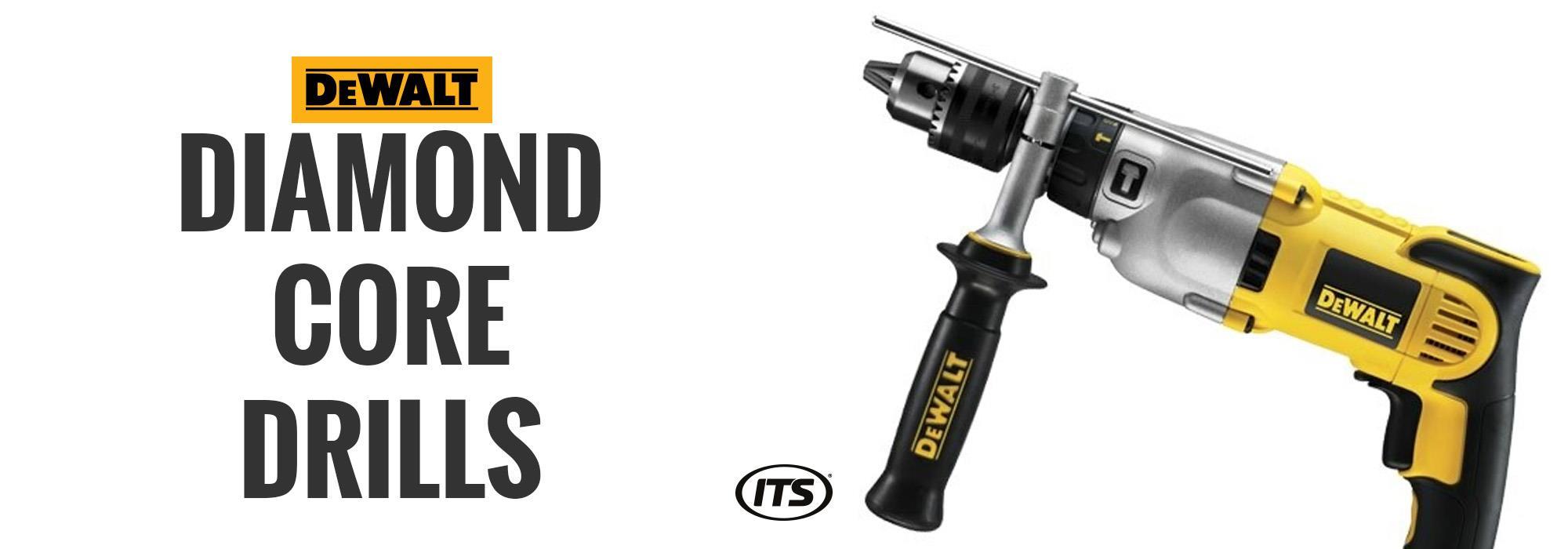
DeWalt core drill kits are for clean, controlled holes through brick and concrete when you cannot bodge it with a breaker and hope.

When you are running soil stacks, boiler flues, extractor vents, or pipework through masonry, a DeWalt diamond core drill is the tidy way to do it. You get round holes with less blow-out, less patching, and a finish that keeps clients and building control happy. Pick the right rig for the hole size and whether you are going dry or wet, then crack on.

What Are DeWalt Core Drills Used For?

  • Cutting clean penetrations for waste pipes, soil pipes and sleeve runs through block and brick without smashing the surrounding facework.
  • Drilling vent and flue holes for kitchens, bathrooms and boilers where you need a neat circle and a predictable exit point.
  • Opening up service routes in concrete and dense masonry on refurbs, where chasing is messy and you want less making-good afterwards.
  • Working on occupied jobs where dust and noise need keeping down, because core drilling is generally cleaner than hammering out big holes.

Choosing the Right DeWalt Core Drill

Match the drill to the hole size and the material, or you will either burn gear out or fight it all day.

1. Handheld vs Rig Mounted

If you are doing smaller cores in block and brick and you can brace properly, a handheld setup is workable. If you are pushing bigger diameters, drilling concrete, or you need dead-straight holes repeatedly, use a rig mounted core drill so it does not snatch and walk.

2. Dry Coring vs Wet Coring

If you are indoors and need to keep water off finishes, choose a setup that is happy dry and pair it with proper dust control. If you are into harder concrete or doing a run of holes, wet coring is kinder to the diamonds and keeps the cut cooler, but you need to manage slurry and run-off properly.

3. Connection Type and Adaptors

Check the thread and drive type before you buy bits and adaptors. If you are trying to run a core from an SDS drill, make sure the adaptor is rated for coring and the drill has the right clutch control, because this is where wrists get hurt and tools get wrecked.

Who Uses DeWalt Diamond Core Drills?

  • Plumbers and heating engineers drilling accurate holes for flues, condensate and pipework, especially when the finish needs to look sharp first time.
  • Electricians and ventilation fitters cutting vent routes and duct penetrations, where a round hole saves time on boxing-in and patching.
  • Builders and refit teams on extensions and refurbs, using a DeWalt core drill when a breaker would crack plaster, blow bricks, or make a mess of the reveal.

The Basics: Understanding Diamond Core Drilling

A diamond core drill cuts a ring, not a full hole, so you get a clean circle with less breakout. The key is keeping the barrel cutting freely and under control.

1. The Core Bit Does the Cutting

The diamonds on the cutting segment grind through masonry and concrete, so steady pressure and the right speed matter more than brute force. If you lean on it and stall it, you glaze the segment and it stops cutting properly.

2. Dry vs Wet Is About Heat and Mess

Dry coring keeps things simpler on finished interiors but needs good dust extraction and sensible feed pressure. Wet coring runs cooler and usually cuts faster in tough material, but you must control the water and slurry so you are not flooding a room or staining brickwork.

3. Control and Safety Come First

Core drills can grab if you hit rebar, a hard aggregate, or you skew the barrel, which is why a clutch and a solid stance or a rig makes such a difference. Keep the pilot and start point accurate so the bit does not skate and chew the face.

Core Drill Accessories That Save You Time on Site

The right add-ons stop bits wandering, keep dust and slurry under control, and save you wrecking expensive barrels.

1. Core Drill Stands and Fixing Kits

A proper stand keeps the core straight and stops the drill twisting when it bites, which is exactly what you want on bigger holes or when you are drilling concrete all day.

2. Dust Extraction Shrouds and Adaptors

If you are dry coring indoors, a shroud and extractor connection is what stops the room turning into a fog and saves you an hour of clean-up and a complaint from the client.

3. Water Feed Kits and Slurry Control

For wet coring, a simple feed setup helps keep the bit cool and cutting, and it lets you control run-off so you are not making a mess down finished walls and floors.

Shop DeWalt Core Drills at ITS

Whether you need a DeWalt core drill for occasional service holes or a DeWalt diamond core drill setup for regular site work, you can sort it here in one hit. We stock the full range of core drilling options and essentials in our own warehouse, ready for next day delivery so you are not stood waiting when the job is booked in.

DeWalt Core Drill FAQs

What is the maximum depth of cut for these diamond core bits?

It depends on the barrel length of the bit you choose, not just the drill. Most standard cores are made for typical wall thicknesses, and for deeper penetrations you normally step up to a longer barrel or use extensions, but only if the setup stays stable and straight.

Do I need to use water (wet-cutting) or can they be used dry?

Both are common, but you must match the bit and the job. Dry coring is handy indoors and on finished areas, but you need proper dust control and a steady feed so you do not overheat the segment. Wet coring runs cooler and is usually the better choice for harder concrete or repeated holes, as long as you can manage slurry and protect the area.

Are they compatible with SDS adapters?

Some core bits can be run via SDS adaptors, but do not assume it is a straight swap. You need the correct thread adaptor for the bit, and the SDS drill must be suitable for coring with a proper clutch, because a core snagging on an SDS drill can be nasty on the wrists and hard on the gearbox.

Will a DeWalt core drill handle reinforced concrete?

Yes, with the right diamond core bit and a controlled setup, but it is slower work and you need to expect the occasional grab if you hit rebar. For regular reinforced concrete, a rig mounted drill and wet cutting is the sensible route to keep heat down and the hole true.

Do I need a core drill stand, or can I do it handheld?

Handheld is fine for smaller diameters in softer masonry if you can brace properly and keep it square. Once you are into bigger holes, harder material, or you need accuracy through both faces, a stand is what stops the bit wandering and reduces the risk of snatching.

Read more

Dewalt Diamond Core Drills

DeWalt core drill kits are for clean, controlled holes through brick and concrete when you cannot bodge it with a breaker and hope.

When you are running soil stacks, boiler flues, extractor vents, or pipework through masonry, a DeWalt diamond core drill is the tidy way to do it. You get round holes with less blow-out, less patching, and a finish that keeps clients and building control happy. Pick the right rig for the hole size and whether you are going dry or wet, then crack on.

What Are DeWalt Core Drills Used For?

  • Cutting clean penetrations for waste pipes, soil pipes and sleeve runs through block and brick without smashing the surrounding facework.
  • Drilling vent and flue holes for kitchens, bathrooms and boilers where you need a neat circle and a predictable exit point.
  • Opening up service routes in concrete and dense masonry on refurbs, where chasing is messy and you want less making-good afterwards.
  • Working on occupied jobs where dust and noise need keeping down, because core drilling is generally cleaner than hammering out big holes.

Choosing the Right DeWalt Core Drill

Match the drill to the hole size and the material, or you will either burn gear out or fight it all day.

1. Handheld vs Rig Mounted

If you are doing smaller cores in block and brick and you can brace properly, a handheld setup is workable. If you are pushing bigger diameters, drilling concrete, or you need dead-straight holes repeatedly, use a rig mounted core drill so it does not snatch and walk.

2. Dry Coring vs Wet Coring

If you are indoors and need to keep water off finishes, choose a setup that is happy dry and pair it with proper dust control. If you are into harder concrete or doing a run of holes, wet coring is kinder to the diamonds and keeps the cut cooler, but you need to manage slurry and run-off properly.

3. Connection Type and Adaptors

Check the thread and drive type before you buy bits and adaptors. If you are trying to run a core from an SDS drill, make sure the adaptor is rated for coring and the drill has the right clutch control, because this is where wrists get hurt and tools get wrecked.

Who Uses DeWalt Diamond Core Drills?

  • Plumbers and heating engineers drilling accurate holes for flues, condensate and pipework, especially when the finish needs to look sharp first time.
  • Electricians and ventilation fitters cutting vent routes and duct penetrations, where a round hole saves time on boxing-in and patching.
  • Builders and refit teams on extensions and refurbs, using a DeWalt core drill when a breaker would crack plaster, blow bricks, or make a mess of the reveal.

The Basics: Understanding Diamond Core Drilling

A diamond core drill cuts a ring, not a full hole, so you get a clean circle with less breakout. The key is keeping the barrel cutting freely and under control.

1. The Core Bit Does the Cutting

The diamonds on the cutting segment grind through masonry and concrete, so steady pressure and the right speed matter more than brute force. If you lean on it and stall it, you glaze the segment and it stops cutting properly.

2. Dry vs Wet Is About Heat and Mess

Dry coring keeps things simpler on finished interiors but needs good dust extraction and sensible feed pressure. Wet coring runs cooler and usually cuts faster in tough material, but you must control the water and slurry so you are not flooding a room or staining brickwork.

3. Control and Safety Come First

Core drills can grab if you hit rebar, a hard aggregate, or you skew the barrel, which is why a clutch and a solid stance or a rig makes such a difference. Keep the pilot and start point accurate so the bit does not skate and chew the face.

Core Drill Accessories That Save You Time on Site

The right add-ons stop bits wandering, keep dust and slurry under control, and save you wrecking expensive barrels.

1. Core Drill Stands and Fixing Kits

A proper stand keeps the core straight and stops the drill twisting when it bites, which is exactly what you want on bigger holes or when you are drilling concrete all day.

2. Dust Extraction Shrouds and Adaptors

If you are dry coring indoors, a shroud and extractor connection is what stops the room turning into a fog and saves you an hour of clean-up and a complaint from the client.

3. Water Feed Kits and Slurry Control

For wet coring, a simple feed setup helps keep the bit cool and cutting, and it lets you control run-off so you are not making a mess down finished walls and floors.

Shop DeWalt Core Drills at ITS

Whether you need a DeWalt core drill for occasional service holes or a DeWalt diamond core drill setup for regular site work, you can sort it here in one hit. We stock the full range of core drilling options and essentials in our own warehouse, ready for next day delivery so you are not stood waiting when the job is booked in.

DeWalt Core Drill FAQs

What is the maximum depth of cut for these diamond core bits?

It depends on the barrel length of the bit you choose, not just the drill. Most standard cores are made for typical wall thicknesses, and for deeper penetrations you normally step up to a longer barrel or use extensions, but only if the setup stays stable and straight.

Do I need to use water (wet-cutting) or can they be used dry?

Both are common, but you must match the bit and the job. Dry coring is handy indoors and on finished areas, but you need proper dust control and a steady feed so you do not overheat the segment. Wet coring runs cooler and is usually the better choice for harder concrete or repeated holes, as long as you can manage slurry and protect the area.

Are they compatible with SDS adapters?

Some core bits can be run via SDS adaptors, but do not assume it is a straight swap. You need the correct thread adaptor for the bit, and the SDS drill must be suitable for coring with a proper clutch, because a core snagging on an SDS drill can be nasty on the wrists and hard on the gearbox.

Will a DeWalt core drill handle reinforced concrete?

Yes, with the right diamond core bit and a controlled setup, but it is slower work and you need to expect the occasional grab if you hit rebar. For regular reinforced concrete, a rig mounted drill and wet cutting is the sensible route to keep heat down and the hole true.

Do I need a core drill stand, or can I do it handheld?

Handheld is fine for smaller diameters in softer masonry if you can brace properly and keep it square. Once you are into bigger holes, harder material, or you need accuracy through both faces, a stand is what stops the bit wandering and reduces the risk of snatching.

ITS Click and Collect Icon
What3Words:
Get Directions
Store Opening Hours
Opening times