Dewalt SDS+
DeWalt SDS bits are built for fast, clean drilling and light breaking in brick, block and concrete, with proper fit and site-ready toughness.
When you're drilling fixing holes all day or chasing out stubborn masonry, cheap bits soon show up. DeWalt SDS drill bits and attachments are made for repeated site use, solid dust clearance and proper hammer transfer, whether you're on first fix, refurbs or snagging. If you're already running DeWalt 18V XR SDS drills, this is the gear to match. Pick the right diameter, length and head style, and get holes drilled properly first time.
What Are DeWalt SDS Bits Used For?
- Drilling anchor and fixing holes into brick, block and concrete is where DeWalt SDS bits earn their keep, especially when you're fitting tray, brackets, channels or framework on first fix.
- Chasing out light masonry and knocking off old plaster or tile with SDS attachments saves a lot of handball when you're on refurb work and need the wall opened up quickly.
- Boring repeated holes overhead for cable clips, pipe supports or trunking runs is easier with DeWalt SDS plus bits because the shank locks in properly and transfers hammer action cleanly.
- Working through tough site masonry, including older hard concrete, calls for DeWalt SDS masonry bits that clear dust fast and stop you fighting a blunt, clogged bit halfway through the job.
- Keeping demolition and drilling on the same system is simple when you pair the bits with DeWalt dust collecting attachments to keep the mess down in finished rooms and occupied buildings.
Choosing the Right DeWalt SDS Bits
Sorting the right bit is simple: match it to the hole, the material and the drill. Do not buy long, heavy bits for short fixing jobs if you want clean, accurate holes.
1. SDS Plus vs SDS Max
If you're using a standard cordless or compact SDS drill, you need SDS Plus. If you're on a larger breaker or heavy rotary hammer, that is SDS Max territory. They are not interchangeable, so check the chuck before you order.
2. Diameter and Length
If you're drilling for frame fixings, clips or anchors, buy the exact diameter the fixing calls for and add enough working length to get through plaster, batten or render. Too short and you will bottom out. Too long and the bit wanders more than it needs to.
3. Drill Bits or Chisel Attachments
If the job is making holes, stick with proper DeWalt SDS+ drill bits. If you're lifting tile, chasing out plaster or knocking back mortar, move to DeWalt SDS+ chisel bits instead of wrecking a drill bit on work it was never made for.
4. Singles or Sets
If you burn through common sizes every week, buy the sizes you use most as singles and keep spares in the van. If you're setting up from scratch or covering mixed fixing work, DeWalt SDS+ drill bit sets make more sense and stop last minute trips to the merchants.
Who Uses These on Site?
- Sparkies use DeWalt SDS drill bits for repeated fixing holes in block and concrete when they're running conduit, tray and back boxes, and most keep a few common sizes in the case so they are not caught short.
- Plumbers and heating engineers reach for DeWalt SDS plus bits when they need clean holes for pipe clips, brackets and routes through masonry without cooking standard percussion bits.
- Kitchen fitters, shopfitters and general builders use them for bolting timber or steel work back to brick and concrete, especially on refurb jobs where wall conditions change from room to room.
- Maintenance teams and site fitters swear by SDS attachments for quick chasing, tile lifting and patching work because one drill and the right bit saves dragging extra breakers around the building.
The Basics: Understanding DeWalt SDS Bits
The important bit is not just the cutting tip. SDS bits are designed so the shank locks into the drill and lets the hammer action do the hard work, which is why they drill masonry faster than a standard straight shank bit.
1. SDS Plus Shank
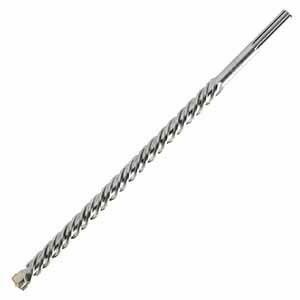
SDS Plus uses slots in the shank so the bit can lock in securely and move correctly under hammer action. On site, that means less slipping in the chuck and better drilling speed in brick, block and concrete.
2. Flute Design
The flutes carry dust out of the hole as you drill. If dust clears properly, the bit cuts better, runs cooler and is less likely to bind up when you're doing repeated fixings.
3. Drill Bit vs Chisel Attachment
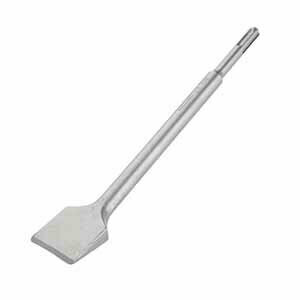
A drill bit is for cutting a round hole for anchors and fixings. A chisel attachment is for breaking, lifting or chasing material away. Use each one for the job it was made for and both the tool and accessory will last longer.
DeWalt SDS Accessories That Save Time on Site
A few sensible add-ons keep the drill working cleaner, faster and with less messing about between jobs.
1. Dust Collecting Attachments
Get the dust control sorted before you start drilling overhead or in finished rooms. It saves you breathing the lot in, saves clean-up after, and keeps clients happier when you're working in occupied properties.
2. Spare Common Size Drill Bits
Keep spare 5mm, 6mm, 8mm and 10mm sizes in the van. These are the ones that get hammered on everyday fixing work, and there is nothing worse than rounding one off halfway through a run of anchors.
3. Chisel Bits
A flat or pointed chisel stops you abusing a masonry bit for light breaking jobs. When you need to lift a few tiles, open a chase or knock off loose render, this is the right accessory to swap in.
Choose the Right DeWalt SDS Bits for the Job
Use this quick guide to avoid buying the wrong bit for the work in front of you.
| Your Job | Bit or Type | Key Features |
|---|---|---|
| Drilling repeated fixing holes in brick and block | SDS Plus masonry bit | Fast dust clearance, accurate common diameters, proper hammer transfer |
| Bolting brackets or framework into concrete | Longer SDS Plus drill bit | Extra working length for plaster and finishes, deeper anchor holes, steadier reach |
| Light chasing and tile removal | SDS chisel bit | Flat or pointed profile, made for breaking material instead of drilling it |
| Mixed first fix and maintenance work | SDS bit set | Range of common sizes in one case, quicker setup, sensible van stock |
| Daily drilling in finished spaces | SDS bit with dust control setup | Cleaner working area, less airborne dust, better for occupied buildings |
Common Buying and Usage Mistakes
- Buying SDS Max instead of SDS Plus is a common one. The bit simply will not fit your standard SDS drill, so always check the chuck type before you order.
- Using a drill bit for chiselling work wrecks the tip and slows the whole job down. If you are breaking or lifting material, swap to the proper chisel attachment.
- Choosing the wrong diameter for the fixing gives you loose anchors or split masonry. Match the bit size to the fixing manufacturer's requirement, not what looks about right in the box.
- Forcing a blunt bit through hard concrete just cooks the accessory and strains the drill. If progress drops off badly, replace the bit instead of leaning on it harder.
- Ignoring dust control in finished rooms means more clean-up, more airborne mess and more grief from clients. Add extraction where the job needs it, especially indoors and overhead.
SDS Plus vs SDS Max vs Straight Shank Masonry Bits
SDS Plus
This is the everyday site choice for most drilling in brick, block and concrete. It suits common fixing holes, works with compact and cordless SDS drills, and gives a good balance of speed, control and manageable bit sizes.
SDS Max
SDS Max is for heavier plant, larger holes and tougher breaking work. It is the right call for serious concrete drilling and demolition, but it is overkill for routine plug and anchor jobs and will not fit SDS Plus machines.
Straight Shank Masonry Bits
These are fine in a combi drill for lighter masonry work, but once you are drilling concrete all day they are slower, hotter and harder on both tool and user. If masonry is a regular part of the job, SDS is the better route.
Maintenance and Care
Clean the Shank After Use
Wipe dust and debris off the SDS shank before it goes back in the case. A dirty shank wears the chuck faster and can stop the bit seating properly next time.
Check the Tip for Wear
If the carbide tip is chipped, rounded or overheating in use, retire it. A tired bit drills slower, wanders more and puts extra strain on the drill.
Store Sizes Properly
Keep bits back in their case or organised by diameter in the van. It saves time on site and stops cutting edges knocking together loose in a tub.
Do Not Overheat Them
If a bit is struggling, back it out and clear the dust rather than just forcing it. Continuous heat build-up shortens bit life and can damage the cutting head.
Replace Worn Bits Before Big Jobs
Before a full day of drilling anchors or fixings, check your common sizes and replace anything half gone. It is cheaper than losing time on site with poor holes and slow progress.
Why Shop for DeWalt SDS Bits at ITS?
Whether you need single DeWalt SDS masonry bits, full sets, or site-ready DeWalt SDS accessories and attachments, we stock the full range in the sizes and types trades actually use. It is all held in our own warehouse, ready for fast next day delivery, so you can get the right bit on site without hanging about.
DeWalt SDS Bits FAQs
What's the difference between SDS and SDS Max?
SDS usually means SDS Plus on pages like this, which is the common fitting for most compact and cordless rotary hammers. SDS Max is larger, built for heavier drills, bigger holes and harder breaking work. They do not fit each other, so check your machine before buying.
What size holes can SDS Plus bits drill?
For everyday site work, SDS Plus bits cover the common fixing and anchor sizes most trades use, from small plug holes up to larger diameters for heavier fixings. Exact capacity depends on the bit and the drill, but SDS Plus is the standard choice for routine masonry drilling rather than very large core or demolition work.
Are DeWalt SDS bits suitable for reinforced concrete?
Yes, many DeWalt SDS drill bits will handle reinforced concrete on real site work, especially good quality carbide-tipped bits used in the right drill mode. That said, if you hit a lot of rebar repeatedly, expect slower progress and more wear than in plain block or standard concrete.
Will these DeWalt SDS bits fit any hammer drill?
No. They need the correct SDS chuck type to fit properly. DeWalt SDS plus bits fit SDS Plus drills, not standard three jaw chucks and not SDS Max machines unless stated otherwise.
Are bit sets worth it, or should I just buy singles?
If you are starting out or covering mixed work, a set makes sense because it gives you the common sizes in one hit. If you already know you burn through 6mm and 8mm every week, buy those as singles as well so you are not stuck when the set is half empty.
How do I know when an SDS bit is done?
You will feel it before you measure it. The bit starts drilling slower, heats up faster, wanders more at the start of the hole and needs too much pressure to get moving. Once that starts, replace it rather than fighting it all day.