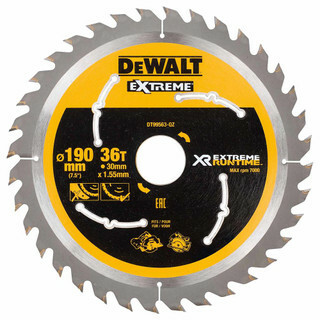
Dewalt Extreme Blades Saw Blades
DeWalt Extreme saw blades are built for fast, clean cuts in timber, sheet materials and site board, with tooth counts and grinds that suit proper trade use.
When you're ripping stud, trimming ply or knocking out repeat cuts on second fix, a poor blade costs you time and leaves a rough finish. DeWalt saw blades Extreme are the ones lads reach for when they want cuts that stay cleaner for longer and blades that put up with daily graft. Match the blade to the saw and material, and you will get better speed, less tear-out and less strain on the tool. If you are also running bigger cordless kit, have a look at Dewalt FLEXVOLT Saw Blades & Discs, plus Dewalt Power Tool Accessories to keep the setup right.
What Are DeWalt Extreme Saw Blades Used For?
- Ripping through timber stud, joists and sheet stock on first fix is where DeWalt Extreme circular saw blades earn their keep, giving quicker feed rates without leaving the edge looking chewed up.
- Trimming plywood, melamine and finished boards for kitchens, wardrobes and fit-out work is easier with the right tooth count, especially when you need to keep splintering down on visible edges.
- Cutting repeat lengths on mitre saws for skirting, architrave, battens and carcassing suits a DeWalt Extreme mitre saw blade, where a clean, accurate finish saves rework later.
- Handling mixed site materials on refurbs and maintenance jobs is exactly why trades keep a DeWalt Extreme multi material blade in the van, so they can move from timber to plastics and light non-ferrous work without swapping half the setup.
- Replacing tired or damaged blades before they start burning timber or overloading the saw keeps cordless kit cutting properly, which matters even more if you are pairing blades with Dewalt FLEXVOLT More Power Tools.
Choosing the Right DeWalt Extreme Saw Blades
Sorting the right blade is simple: match it to the cut, the saw and the finish you actually need.
1. Fast ripping or clean finishing
If you are smashing through carcassing, stud and rough timber, go lower tooth count for speed and chip clearance. If you are cutting plywood, veneered board or anything customer-facing, buy more teeth and get the cleaner edge.
2. Circular saw or mitre saw
Do not assume one blade suits both. A DeWalt Extreme circular saw blade is picked around portable cutting, feed speed and general site work, while a DeWalt Extreme mitre saw blade is usually about cleaner crosscuts and repeat accuracy.
3. Wood only or multi material
If most of your day is timber, stick with a proper wood blade because it will usually cut faster and cleaner. If you are bouncing around refurb jobs cutting timber, plastics and the odd non-ferrous section, a multi material blade makes more sense.
4. Bore and diameter matter
Check blade diameter, bore size and maximum rated speed before you order. Even the best DeWalt saw blades UK Extreme range will be no use if it does not fit the saw properly or is wrong for the machine speed.
Who Uses These on Site?
- Chippies and joiners use DeWalt Extreme saw blades for first fix framing, sheet cutting and second fix trim, because the right blade gives them cleaner cuts and less snagging on finished work.
- Kitchen fitters swear by finer tooth DeWalt Extreme wood cutting blade options when trimming end panels, plinths and worktop fillers, where a rough edge just means more fettling before handover.
- Roofers and general builders reach for these when cutting battens, roofing timber and sheet materials all day, because a decent blade keeps the saw pulling true instead of fighting every pass.
- Site maintenance teams and refurb crews keep a DeWalt Extreme multi material blade handy for patch jobs and mixed snagging work, where carrying one blade for several common cuts saves time walking back to the van.
The Basics: Understanding Saw Blade Choice
Most buying mistakes come from choosing by size alone. What really changes the cut is tooth count, tooth design and what material the blade is meant to handle.
1. Fewer Teeth for Faster Cuts
A lower tooth count clears waste faster, which is what you want for ripping timber and general first fix work. The cut is quicker, but the finish will be rougher than a fine blade.
2. More Teeth for Cleaner Edges
A higher tooth count gives a neater finish on plywood, laminate and trim materials. It is slower through heavy stock, but it saves breakout and reduces how much cleaning up you need afterwards.
3. Material Specific Blades Cut Better
A wood blade is built to move quickly through timber fibres, while a multi material blade is shaped to handle a wider mix of site materials. Pick the right one and the saw runs smoother, cuts cleaner and the blade lasts longer.
Blade Accessories That Save Hassle on Site
A decent blade matters, but the right support kit stops downtime, bad cuts and wasted trips back to the van.
1. Spare Blades
Keep a second blade in the box. When one starts burning through ply or slows right down in wet timber, swapping it out is quicker than trying to nurse it through the rest of the day.
2. Blade Cases and Storage
Loose blades rattling around in the van get chipped teeth and bent plates. Proper storage keeps edges protected and stops you fitting a damaged blade that wanders in the cut.
3. Batteries and Chargers
A sharp blade still needs proper power behind it. If you are running cordless saws hard, sort your runtime with Dewalt FLEXVOLT Batteries Chargers and Mounts so you are not changing packs halfway through a stack of sheet cuts.
4. Dust Extraction and Saw Accessories
If you are cutting indoors or in finished properties, the right guards, rails and extraction add-ons make a real difference. It is worth checking Dewalt Garden Power Tools if your work crosses into outdoor maintenance kit as well.
Choose the Right DeWalt Extreme Saw Blades for the Job
Use this as a quick guide before you pick a blade.
| Your Job | Blade Type | Key Features |
|---|---|---|
| Ripping stud timber and carcassing | DeWalt Extreme circular saw blade for wood | Lower tooth count for faster feed, good chip clearance and less drag in thicker timber. |
| Cutting plywood and sheet materials | DeWalt Extreme plywood blade | Higher tooth count for cleaner top edges, less splintering and tidier visible cuts. |
| Second fix trim and repeated crosscuts | DeWalt Extreme mitre saw blade | Clean crosscut finish, better accuracy and a neater result on mouldings and finish timber. |
| Mixed refurb and maintenance work | DeWalt Extreme multi material blade | Handles more than just timber, reducing blade changes on stop-start snagging jobs. |
| Daily cordless site cutting | Thin kerf DeWalt saw blades Extreme | Lower load on the saw, smoother cutting and better use of battery runtime on cordless kit. |
Common Buying and Usage Mistakes
- Buying by diameter only and ignoring bore size is a classic mistake. The blade might look right in the van, but if the bore is wrong it simply will not fit properly, so always check both before ordering.
- Using a fast rip blade on finished plywood or laminate usually ends with breakout and a rough edge. If the cut will be seen, use a finer blade and save yourself the extra clean-up.
- Keeping a blunt blade on the saw for too long slows the cut, burns timber and puts more strain on the motor. If you have to force the saw through, the blade wants changing.
- Assuming a multi material blade is always the best buy can backfire. They are handy on mixed jobs, but if you mostly cut timber a dedicated wood blade is often quicker and gives a better finish.
- Storing blades loose in a box with other gear chips the teeth and knocks the plate out. Keep them protected, because even a good blade cuts badly once it has taken abuse in the van.
Wood Blades vs Multi Material Blades vs Plywood Blades
Wood Blades
These are the right call for most first fix timber work. They cut faster through stud, joists and carcassing than a finer blade, but they are not the one to reach for if the finished edge needs to look tidy.
Multi Material Blades
Best for refurbs, maintenance and snagging where the material changes every half hour. They trade a bit of speed in pure timber for broader use, which saves time if you do not want to keep swapping blades.
Plywood Blades
These suit sheet work, veneered boards and cleaner finish cuts. They are slower in heavy timber, but if you are fitting kitchens, wardrobes or panelling, they leave a much more respectable edge.
Maintenance and Care
Keep Resin and Dust Off
Pitch, glue and fine dust build up on the teeth faster than most people realise. Clean blades regularly so they keep cutting freely instead of heating up and dragging.
Check for Missing or Chipped Teeth
Give the blade a quick look before fitting it. If teeth are chipped or missing, the saw can cut rough, wander or put extra vibration through the machine.
Store Flat and Protected
Do not throw blades in with fixings, discs and random van clutter. Keep them in sleeves, cases or proper slots so the teeth stay sharp and the blade plate stays true.
Replace When Performance Drops
If the saw starts burning, tearing out or needing more push, the blade is done or wrong for the material. A fresh blade is cheaper than wasting boards or straining the saw.
Why Shop for DeWalt Extreme Saw Blades at ITS?
Whether you need a DeWalt Extreme wood cutting blade for rough first fix, a plywood blade for cleaner sheet cuts or a multi material option for refurbs, we stock the proper range in the sizes and types trades actually use. It is all in our own warehouse, in stock and ready for next day delivery, so you can get the right blade on the saw without holding the job up.
DeWalt Extreme Saw Blades FAQs
What are DeWalt Extreme saw blades designed for?
They are built for proper trade cutting, not the odd weekend job. That means faster cuts, cleaner finishes and better durability across timber, sheet materials and selected mixed site materials, depending on which blade type you buy.
How do DeWalt Extreme blades differ from standard saw blades?
The main difference is in how they hold up and how they cut under regular site use. You are generally getting sharper, more durable tooth designs and blade patterns aimed at quicker cutting, cleaner edges and longer working life than basic blades.
What materials can DeWalt Extreme blades cut?
That depends on the blade. Wood blades are for timber, sheet stock and board materials, plywood blades are for cleaner cuts in sheet goods, and multi material versions are made for a broader mix such as timber, plastics and some non-ferrous materials. Always check the blade spec before fitting it.
Are DeWalt Extreme blades compatible with all DeWalt saws?
No, not automatically. You need to match the blade diameter, bore size and maximum speed rating to the saw. Plenty of DeWalt Extreme blades fit DeWalt circular and mitre saws, but it still needs checking machine by machine.
Will a DeWalt Extreme circular saw blade give a cleaner cut in plywood?
Yes, if you choose the right one. A finer tooth blade or a blade made for plywood will leave a noticeably cleaner edge than a rough ripping blade, especially on faced boards and visible panels.
Do these blades last on daily site work, or are they just for lighter use?
They are made for regular trade use and hold up well when matched to the right material. They are tough, but they are not magic. Use a wood blade on timber, do not force blunt blades, and store them properly if you want them to last.