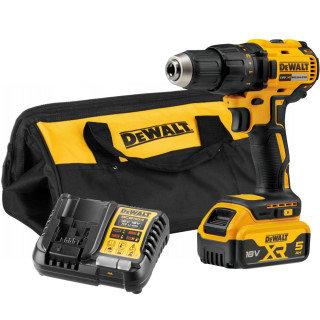
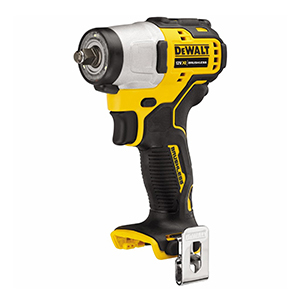
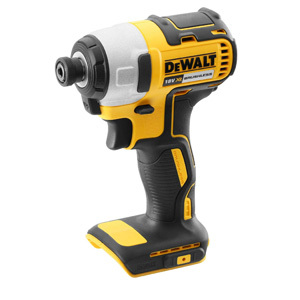
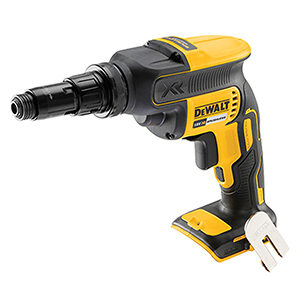
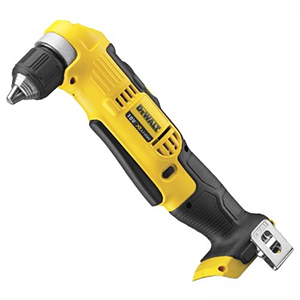
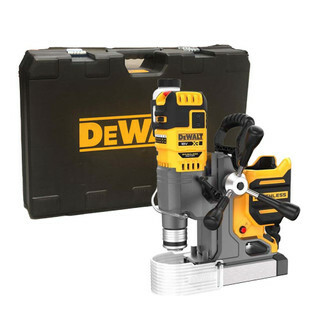
Dewalt 18V XR Drills and Drivers
DeWalt 18V XR drills cover the jobs that fill most site days, from first fix holes to driving long screws into timber and steel without dragging a lead about.
If you're choosing a DeWalt 18V drill, match it to the work. A compact drill driver suits kitchen fits and second fix, while a DeWalt 18V combi drill earns its keep on masonry and general site snagging. For repetitive fixings, a DeWalt XR drill and driver setup saves time, keeps wrist strain down, and puts you on a battery platform most trades already trust. Pair them with DeWalt Drill Bits and buy the right kit for the graft.
What Are DeWalt 18V XR Drills Used For?
- Drilling timber stud, joists and sheet materials on first fix jobs is where a DeWalt 18V XR drill earns its keep, especially when you are moving room to room and do not want leads under your feet.
- Driving long screws, coach screws and repeated fixings into timber frames, battens and carcassing is quicker with a DeWalt XR drill and driver setup, as you can keep one tool for drilling and one for fastening.
- Working into brick, block and light masonry for plugs, brackets and service fixings is exactly what a DeWalt 18V combi drill is for, saving you swapping to a heavier SDS for small routine holes.
- Fitting kitchens, bedrooms and second fix joinery suits the more compact DeWalt 18V drill driver models, where control matters more than brute force and you are working in cupboards, corners and awkward returns.
- Fixing metal stud, roofing screws and long runs of screws into repetitive fixings is where DeWalt Impact Drivers come into their own, especially when a standard chuck drill starts fighting back in the wrist.
Choosing the Right DeWalt 18V XR Drills
Sorting the right one is simple. Match the drill to the material and the amount of fixing you actually do.
1. Drill Driver or Combi Drill
If you mainly drill timber, metal and sheet material, a standard DeWalt 18V drill driver is usually the better buy because it is lighter and easier to control. If brick and block holes are part of your normal week, go straight to a DeWalt 18V combi drill and save carrying two tools.
2. Compact Jobs or Heavy Daily Use
If you are fitting kitchens, second fix or doing maintenance, compact models are less tiring and get into tighter spots. If you are drilling larger holes, running hole saws or driving long fixings day in day out, buy the higher torque DeWalt 18V brushless drill and do it once.
3. Single Tool or Drill and Driver Pair
If the work involves constant pilot drilling and screwdriving, do not mess about with one chuck all day. A DeWalt XR drill and driver pair is the practical answer, with one tool left set for drilling and the other for fixings.
4. Bare Unit or Full Drill Set
If you are already on XR batteries, a body only tool keeps costs down. If this is your first step into the range, a DeWalt 18V drill set with batteries, charger and case makes more sense so you are not stuck borrowing power on the first job.
Who Uses These on Site?
- Sparkies rely on DeWalt 18V XR drills for cable runs, back boxes, tray work and general fixing, usually keeping a compact drill driver in the bag and a combi in the van for masonry holes.
- Chippies and kitchen fitters swear by a DeWalt 18V drill range for pilot holes, hinge plates, carcass assembly and long timber fixings, because the lighter drill drivers are easier to live with all day.
- Plumbers use a DeWalt XR drill and driver combo for clips, brackets, pipe boxing and service penetrations, especially on refurbs where you are in and out of cupboards, risers and tight airing spaces.
- General builders and maintenance teams reach for a DeWalt 18V combi drill as the everyday van tool, because it covers timber, metal and small masonry jobs without dragging half the kit in after it.
- Roofers, dryliners and fit-out teams often add impact drivers for long screws and repetitive fastening, and many step up runtime with Dewalt FLEXVOLT Batteries Chargers and Mounts when they are already on wider DeWalt cordless kit.
The Basics: Understanding DeWalt 18V XR Drills
The main thing to understand is that these tools overlap, but they do different jobs better. Get that right and the kit feels quicker, cleaner and less tiring to use.
1. Drill Drivers
This is your everyday drilling and screwdriving tool for timber, metal and board. It gives you better clutch control for smaller fixings, cleaner starts on pilot holes and less bulk when you are working inside units or overhead.
2. Combi Drills
A combi adds a hammer mode for brick, block and light masonry. It is the right call for plug holes, bracket fixings and general site drilling, but it is still not a replacement for an SDS when the concrete gets serious.
3. Impact Drivers
An impact driver uses rotational ضرب style impacts to drive screws and fixings with less kick back through your wrist. That makes it the better tool for long screws, repeated fasteners and stubborn fixings where a standard drill starts snatching.
DeWalt 18V XR Drill Accessories That Save Time on Site
The right add-ons stop wasted trips to the van and make your DeWalt 18V XR drills work properly from the first hole.
1. Drill Bit Sets
A decent mixed set covers timber, metal and masonry without rooting through loose bits in the bottom of the case. Start with Dewalt Power Tool Accessories if you need to build out a proper working kit.
2. Spare Batteries and Chargers
A spare battery is basic common sense. There is nothing clever about being halfway through fixings on a ladder when the last bar drops, so keep enough charged capacity to get through the day.
3. Bit Holders and Screwdriving Sets
If you are using a DeWalt 18V impact driver alongside your drill, proper impact rated bits last longer and stop you rounding heads or snapping cheap driver bits under load.
4. Higher Capacity Battery Options
If you are drilling bigger holes or already running heavier cordless gear, it is worth looking at Dewalt FLEXVOLT More Power Tools to keep the wider setup aligned across the van.
Choose the Right DeWalt 18V XR Drills for the Job
Use this quick guide to sort the right tool before you spend the money.
| Your Job | Drill Type | Key Features |
|---|---|---|
| Kitchen fitting, second fix and cabinet work | Compact drill driver | Lower weight, good clutch control, easier access in tight spaces |
| General site drilling in timber, metal and occasional brick | Combi drill | Hammer mode, all round versatility, one tool for mixed daily jobs |
| Long screws, repeated fixings and structural timber work | Impact driver | High fastening speed, less wrist twist, better on stubborn fixings |
| First tool into the XR range | Drill set with batteries and charger | Ready to work straight away, no separate battery spend, easier value |
| Replacing a worn tool when you already own XR batteries | Body only drill | Lower upfront cost, keeps your existing battery platform working |
Common Buying and Usage Mistakes
- Buying a drill driver when you regularly fix into brick and block means you will end up forcing the tool to do combi work. Get the hammer function if masonry holes are part of the normal week.
- Using a combi drill for every screw on site sounds fine until your wrist and shoulder tell you otherwise. If you drive lots of long screws, add an impact driver and keep the drill for drilling.
- Choosing on battery size alone is a common miss. More amp hours help runtime, but they also add weight, which is not what you want for overhead work or all day second fix.
- Running blunt or cheap bits in a good DeWalt 18V drill wastes torque and cooks batteries faster. Sort the right bit for timber, metal or masonry and the tool will feel twice as capable.
- Expecting a combi drill to replace an SDS on dense concrete is how you waste time and burn out bits. For serious masonry or repetitive anchor holes, step up to the right drilling platform.
Drill Driver vs Combi Drill vs Impact Driver
Drill Driver
Best for timber, metal, sheet materials and controlled screwdriving. It is usually lighter and better balanced for fitting work, but it is not the one to choose if plug holes in masonry are a daily job.
Combi Drill
The all rounder of the DeWalt 18V drill range. It covers timber and metal well enough, adds hammer action for brick and block, and suits trades who want one tool to deal with mixed site work.
Impact Driver
Built for driving fixings fast with less kick back, especially long screws and repetitive structural work. It is not a replacement for neat, accurate drilled holes, but it is the better fastening tool by a mile.
Best Buy for Mixed Work
If you switch between drilling and fixing all day, the smart money is on a combi drill plus impact driver kit. That setup covers first fix, snagging and general site work without constant bit swapping.
Maintenance and Care
Keep the Chuck Clean
Brick dust, metal swarf and site grime build up fast around the jaws. Brush it out regularly so bits seat properly and do not start slipping under load.
Use the Right Bits
A worn masonry bit or rounded driver bit makes the tool work harder than it needs to. Replace consumables early and you will get better drilling speed and less strain on the motor.
Look After Batteries Properly
Do not leave packs loose in a damp van or flat for weeks. Charge them properly, rotate the packs you use, and store them somewhere dry so the runtime stays consistent.
Check for Play and Damage
If the chuck starts wobbling, the selector feels rough or the casing has taken a hard drop, sort it before the next big job. Small faults turn into ruined bits and poor hole accuracy quickly.
Store the Kit as a Set
Keep drill, charger, batteries and core bits together in the case or box. It sounds obvious, but half the lost time on site is spent hunting for the charger or the one decent masonry bit.
Why Shop for DeWalt 18V XR Drills at ITS?
Whether you need a compact DeWalt 18V drill driver, a harder working DeWalt 18V combi drill, or a full DeWalt 18V drill set, we stock the proper range in one place. That means the key XR bodies, kits, batteries and supporting gear are all in our own warehouse, in stock and ready for next day delivery.
DeWalt 18V XR Drills FAQs
What 18V XR drills does DeWalt make?
DeWalt makes compact drill drivers, combi drills with hammer mode, and impact drivers across the 18V XR range. In simple terms, drill drivers are for timber and metal, combi drills add brick and block work, and impact drivers are for repeated screwdriving and heavier fixings.
What is the difference between a DeWalt combi drill and impact driver?
A DeWalt combi drill is for drilling holes and driving screws, with hammer action for masonry. An impact driver is mainly for driving screws and fixings fast with less kick through the wrist. If you drill and fix all day, having both is not overkill, it is the setup most trades end up wanting.
Are all DeWalt 18V XR drills brushless?
No, not every older or entry level model in the wider 18V range is brushless, so always check the spec. A DeWalt 18V brushless drill generally gives better runtime, less maintenance and stronger day to day efficiency, which is why most regular site users lean that way.
What is the torque on DeWalt 18V XR drills?
Torque varies a lot by model, so there is no single figure for all DeWalt 18V XR drills. Compact drills suit lighter fixing and fitting work, while higher torque combi drills are built for bigger holes, longer screws and tougher daily use. Check the rated Nm against the material and fixings you actually use.
Will XR batteries fit across the whole DeWalt 18V drill range?
Yes, that shared battery platform is one of the big reasons trades stick with XR. If you already own DeWalt 18V kit, a body only drill usually makes sense, but do check the pack size you want to run because larger batteries add weight as well as runtime.
Is a DeWalt 18V combi drill enough for concrete?
For light concrete and regular brick or block holes, yes, it will cover a lot of day to day work. For repeated anchor holes or dense reinforced concrete, no, you are better off with an SDS. A combi drill is versatile, but it is not magic.