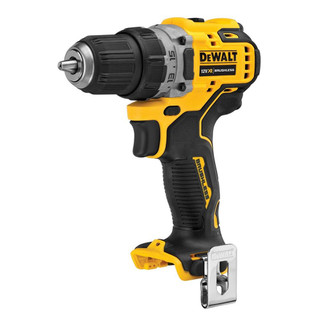
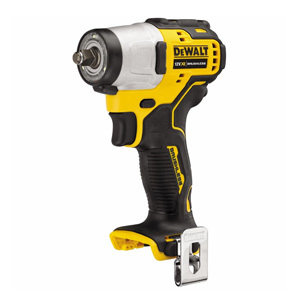
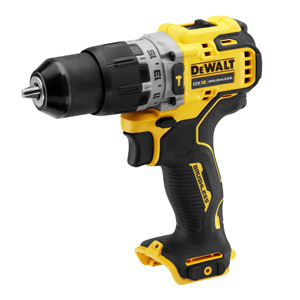
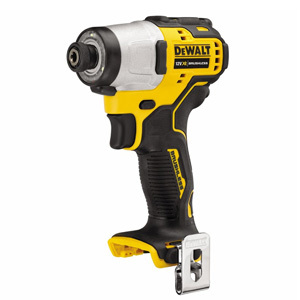
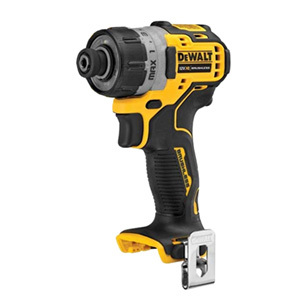
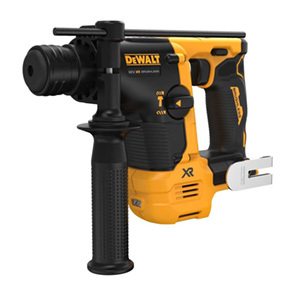
Dewalt 12V XR Drills and Drivers
DeWalt 12v drill models are built for tight spots, overhead fixing, and snagging jobs where a full-size drill just gets in the way.
If you're fitting kitchens, chasing second fix, or working above your head all day, a DeWalt 12v XR drill saves your wrist without leaving you short on proper site performance. These DeWalt compact drill and driver options suit sparks, chippies and maintenance teams who need light kit that still drills clean, drives fixings straight, and fits where bigger gear will not. If your 18V stays in the van for half the little jobs, this is the range to look through.
What Jobs Are DeWalt 12V Drills Best At?
- Drilling pilot holes in carcasses, battens and trim work is where a DeWalt 12v drill earns its keep, especially when you are in and out of cupboards or working one-handed on a ladder.
- Driving screws for kitchen fits, socket fronts, hinges and first-fix brackets is easier with a DeWalt compact drill because it is lighter in the hand and less awkward in tight corners.
- Working in ceiling voids, risers and service cupboards suits a DeWalt 12v xr drill, as the shorter body helps you get square onto fixings without skinning your knuckles.
- Snagging, maintenance and small install jobs across occupied buildings are ideal for a DeWalt 12v drill driver, where quiet, clean, portable kit saves dragging heavier tools room to room.
- Light masonry drilling with a DeWalt 12v combi drill covers plugs and smaller fixings in brick and block, provided you match the tool to the hole size and do not expect 18V hammer performance.
Choosing the Right DeWalt 12V Drill
Match the drill to the job space and fixing size. Do not buy on voltage alone.
1. Drill Driver or Combi
If most of your work is timber, plasterboard, fittings and pilot holes, a standard DeWalt 12v drill driver is the better everyday choice. If you regularly need plugs in brick or block for clips, brackets or light fixings, go for a DeWalt 12v combi drill and accept it still is not a replacement for a larger masonry tool.
2. Compact Body Matters More Than You Think
If you are forever in cupboards, between joists or above your head, pick the shortest DeWalt sub compact drill you can. You will notice the difference by lunchtime, especially on second fix and repetitive install work.
3. Brushless for Daily Site Use
If it is a van tool that comes out every day, buy a DeWalt 12v brushless drill. It runs more efficiently, holds up better to regular graft, and usually gives you better control under load than cheaper occasional-use options.
4. Think About the Fixings You Actually Use
If you are mostly on small screws, cabinet work and electrical fittings, a compact 12V drill is spot on. If you are driving long structural screws or drilling larger holes all day, step up to 18V instead of expecting a small drill to do a big drill's job.
Who Uses These on Site?
- Sparkies rate a DeWalt 12v brushless drill for back boxes, clips, trunking and board work because it is easier to carry all day and handier in cramped domestic refurbs.
- Kitchen fitters and chippies use a DeWalt compact drill for hinges, runners, pilot holes and cabinet fixing, especially where a bulky combi keeps catching on units and panels.
- Maintenance teams keep a DeWalt 12v driver on the van for call-outs, snagging and repeat fixings, where speed and low weight matter more than brute force.
- Plumbers and heating engineers reach for these when working under sinks, inside cupboards and around pipe boxing, where short head length makes the job less of a fight.
- Site managers and supervisors often keep one nearby for quick fixes and punch-list work, rather than hauling full-size gear round for half a dozen screws.
The Basics: Understanding DeWalt 12V Drills
These drills are about access, control and lower weight. The key is knowing where a 12V tool saves time and where a bigger machine is still the right call.
1. 12V Means Smaller and Easier to Handle
A DeWalt 12v xr drill is built with a shorter body and lighter battery setup, so it gets into tighter spaces and puts less strain on your arm. That matters on overhead work, service runs and repetitive fixing jobs.
2. Drill Driver vs Combi Action
A drill driver covers timber, metal and general screwdriving. A combi adds hammer action for lighter masonry work, so you can sort plugs and brackets in brick without swapping to another tool for every small fixing.
3. Brushless Pays Off on Site
Brushless motors waste less energy and cope better with regular use, which means steadier performance and better runtime from a small battery platform. For full-time trade use, that is usually the version worth buying.
DeWalt 12V Drill Accessories That Save Time on Site
The right add-ons stop a compact drill turning into a stop-start job halfway through the day.
1. Drill Bit Sets
Keep proper mixed bits with the drill so you are not walking back to the van every time the job changes from timber to metal to a wall plug. A set of DeWalt Drill Bits makes more sense than trying to get by with whatever loose bits are rolling about in the case.
2. Screwdriver Bit Packs
Compact drills live or die by the bits you feed them. Decent driver bits save cam-out, stripped heads and wasted fixings, especially on repetitive kitchen, electrical and maintenance work.
3. Spare Batteries and Chargers
A second battery is common sense if this is your everyday carry. Small drills are brilliant until the pack is flat halfway through a snagging list, so keep charging sorted and your spares where you can grab them.
Choose the Right DeWalt 12V Drill for the Job
Use this quick guide to sort the right type before you buy.
| Your Job | Drill Type | Key Features |
|---|---|---|
| Cabinet fitting, trim work and pilot holes | DeWalt 12V drill driver | Low weight, compact body, good clutch control for neat fixing work |
| Small plugs and brackets into brick or block | DeWalt 12V combi drill | Hammer mode, compact size, enough punch for lighter masonry jobs |
| Daily site use and repetitive second fix | DeWalt 12V brushless drill | Better runtime, less maintenance, steadier under regular load |
| Working in cupboards, risers and ceiling voids | DeWalt sub compact drill | Short head length, easier access, less wrist strain in awkward spaces |
| Long screws, larger holes and heavier fixing work | Move up to 18V drill | More torque, better for demanding drilling, less chance of overworking a 12V tool |
Common Buying and Usage Mistakes
- Buying a 12V drill to replace an 18V site drill is the usual mistake. These are brilliant for access and lighter work, but if you spend all day drilling masonry or driving big fixings, you need the larger platform.
- Choosing a drill driver when you regularly need wall plugs wastes time. If brick and block come up most days, buy a DeWalt 12v combi drill from the start and save carrying two tools.
- Running poor or worn bits in a compact drill makes the tool feel worse than it is. Fit decent sharp bits and the drill will drive straighter, slip less and put less strain on the motor.
- Ignoring body size and balance is a bad call if you work in tight spaces. A compact drill only helps if it actually fits the job, so check head length and layout, not just the spec sheet.
- Only buying one battery is false economy for trade use. You will lose more time waiting on charge than you save at the till, especially on service, fit-out and snagging days.
12V Drill Driver vs 12V Combi Drill vs 18V Drill
12V Drill Driver
Best for timber, metal, pilot holes and everyday screwdriving where size and control matter more than raw force. This is the handiest option for joinery, electrical and maintenance work, but it is not the pick for regular masonry drilling.
12V Combi Drill
Gives you the same compact feel with added hammer action for light plugs and fixing points in brick or block. It is the better all-rounder if small masonry jobs crop up often, though it still sits below 18V for heavy drilling.
18V Drill
The one for heavier holes, bigger fixings and tougher day-long use. If your compact drill would spend half its life struggling, move up and keep the 12V as your access tool rather than expecting one drill to cover everything.
Maintenance and Care
Keep the Chuck Clean
Dust and fine swarf build up quickly in a compact drill that lives in a bag or van tray. Wipe the chuck out regularly so bits seat properly and do not start wobbling under load.
Do Not Cook Small Batteries
Let batteries cool before charging if the drill has been working hard. Repeated hot charging shortens pack life, and on a 12V platform you notice weak runtime fast.
Use Sharp Bits Only
Blunt drill bits and chewed driver bits force the tool to work harder than it should. Swap them out early and the drill will feel stronger, run cooler and stay accurate.
Store It Dry and Charged
Do not leave the drill rolling around damp in the van for a week. Keep it in its case or organiser, store the batteries sensibly, and charge them before they are completely dead if the tool is used every day.
Replace Worn Accessories Before Blaming the Drill
A tired bit, slipping holder or poor battery often causes most of the grief. Check the simple stuff first before assuming the drill itself is past it.
Why Shop for DeWalt 12V Drills at ITS?
Whether you need a DeWalt 12v drill for snagging, a DeWalt 12v xr drill for everyday second fix, or a DeWalt compact drill for tight access work, we stock the range in one place. You will also find matching Dewalt Power Tool Accessories, plus bigger platform options like Dewalt FLEXVOLT More Power Tools and Dewalt FLEXVOLT Batteries Chargers and Mounts. It is all in our own warehouse, in stock, and ready for next day delivery.
DeWalt 12V Drill FAQs
What drills does DeWalt make in the 12V range?
DeWalt makes compact 12V drill drivers and 12V combi drills in the XR range, including popular models like the DeWalt DCD701. The whole point of the range is shorter body length, lower weight and easier access for tighter work rather than chasing big-drill numbers.
Are DeWalt 12V drills brushless?
Many of them are, yes, and that is usually the version worth having if the drill is out on site most days. A DeWalt 12v brushless drill gives better efficiency and tends to hold up better under regular trade use than older brushed options.
Is a DeWalt 12V drill suitable for professional use?
Yes, for the right work. These are proper trade tools for second fix, kitchen fitting, electrical installs, maintenance and overhead jobs. They are not pretending to be full-size heavy drilling kit, but for compact site work they absolutely earn their place.
How do DeWalt 12V drills compare to 18V models?
A 12V drill is easier to carry, easier to control and better in cramped spots. An 18V drill gives you more torque and better performance on larger holes, longer screws and tougher materials. Most trades who buy 12V properly use it as the handy everyday tool, not the only tool.
Will a DeWalt 12V drill handle masonry, or is that pushing it?
If you buy the combi version, yes, it will handle light masonry jobs like plug holes in brick or block. Just be realistic. For repeated larger holes or hard concrete, step up to a bigger drill or look at DeWalt Impact Drivers for driving duties while your heavier drill handles the drilling.
Is the DeWalt DCD701 enough for everyday van work?
For a lot of trades, yes. The DCD701 is the sort of drill that covers pilot holes, fittings, fixings and small install work without dragging your arm off. If your days are mostly service work, second fix or joinery detail, it makes a lot of sense.