Site and Vehicle Security
Site and vehicle security stops easy theft on jobs, in compounds, and on the drive, keeping tools, kit and vans protected when no one's watching.
Leave a van or site unsecured once and you'll pay for it in lost tools, missed jobs and insurance grief. This is the kit for proper tool theft prevention, from van locks and alarms to barriers, safes and vehicle security storage boxes. Pick security that matches where the gear is parked, stored or left overnight, and get your site and vehicle security sorted.
What Is Site and Vehicle Security Used For?
- Locking down vans parked on drives, side roads and site compounds so expensive power tools are not the easy target on an overnight hit.
- Protecting temporary building sites where materials, generators and fixings are left between shifts and need more than a padlock on the gate.
- Securing tool boxes, rear doors and load areas on trade vehicles that carry high-value kit from first call in the morning to the last job at night.
- Adding visible theft deterrents around access points, storage areas and parked vehicles so opportunists move on rather than testing your locks.
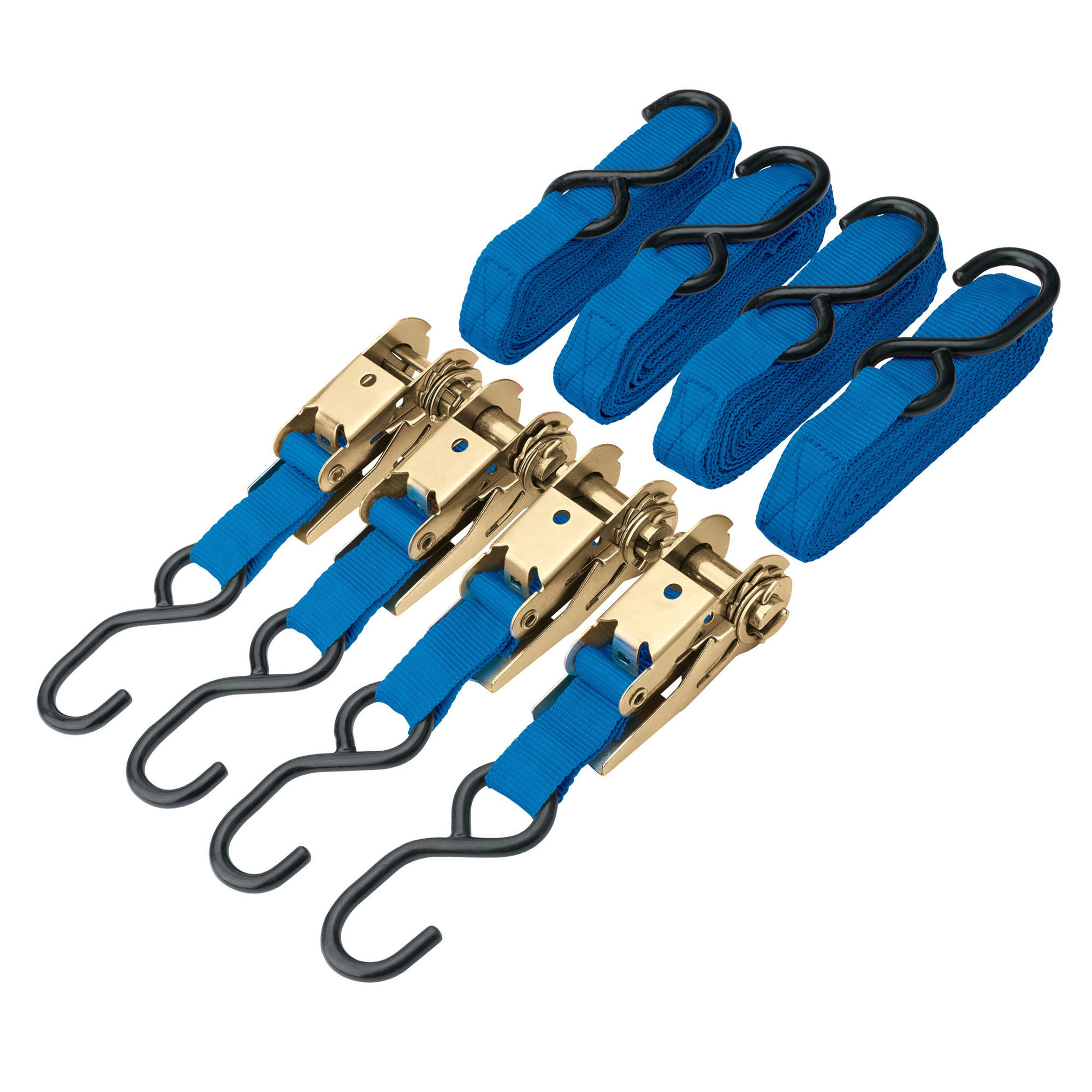
- Keeping loads, ladders and long materials controlled in transit with kit like ratchet straps and tie downs and secure transport options such as pipe carriers.
Choosing the Right Site and Vehicle Security
Sort the risk first, then buy the security to match it. A quiet driveway needs one answer. A half-built site full of kit needs another.
1. Van Protection vs Site Protection
If the main risk is tools left in a van overnight, start with proper locks, internal storage and visible deterrents. If you're securing an active build, look harder at barriers, access control, alarms and lockable storage that protects gear left on site.
2. Visible Deterrent vs Hidden Security
If thieves can see the van or compound from the road, visible security helps put them off before they try. Hidden safes, internal boxes and reinforced fixings matter just as much if someone does get past the first layer.
3. Fixed Storage vs Mobile Kit
If your tools stay in the same van every day, fixed storage and permanent locks make sense. If the kit moves between vans, jobs and compounds, go for security products you can relocate without leaving protection behind.
4. Day Use vs Overnight Risk
Do not buy for daylight use only if the real problem is overnight theft. Loads left after hours need tougher locking, stronger housings and proper tool theft prevention that still works when the street is empty and nobody is checking the site.
Who Uses These on Site?
- Sparkies, plumbers and heating engineers rely on van security because their stock, testers and power tools often stay in the vehicle between jobs.
- Builders, chippies and roofers use site security equipment to protect mixed loads of tools and materials when a job runs over several days or weeks.
- Site managers and foremen bring in stronger site security around compounds, cabins and access points to cut down losses and keep the job moving.
- Maintenance teams and fleet operators fit vehicle security to working vans that are parked at depots, on estates and outside occupied properties overnight.
The Basics: Understanding Site and Vehicle Security
Good security works in layers. The aim is simple: make access harder, slow thieves down, and protect the most expensive kit if they still get in.
1. Perimeter Security
This is the first layer around the van, compound or work area. Gates, barriers, locks and visible deterrents are there to stop casual access and make a target look like too much effort.
2. Internal Storage Security
This is what protects the tools themselves. Lockable boxes, secured compartments and reinforced storage mean that even if someone gets through a door, they still have another job on their hands.
3. Detection and Monitoring
Alarms, sensors and CCTV and security kit help spot movement, record activity and give you a better chance of stopping repeat hits. On real jobs, that can be the difference between one bad night and ongoing losses.
Security Add-Ons That Make the Difference
A few well-chosen extras stop weak points undoing the rest of your security setup.
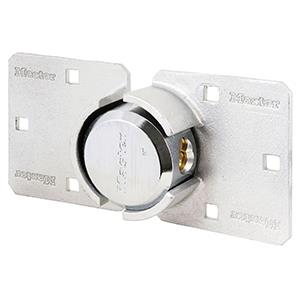
1. Van Locks
Standard door locks are often the first thing thieves test. Adding proper van locks makes forced entry much harder and saves you coming back to peeled doors and an empty load area.
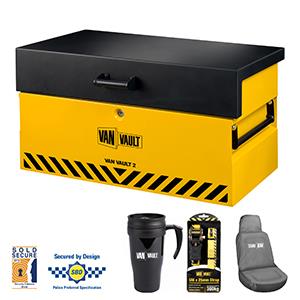
2. Vehicle Security Storage Boxes
If someone gets inside the van, loose tools are gone in seconds. vehicle security storage boxes give your expensive kit a second layer of protection that takes real time and noise to attack.
3. Ratchet Straps and Tie Downs
Unsecured loads slide, damage kit and draw attention when doors open. ratchet straps and tie downs keep gear tight, tidy and harder to grab in a rush.
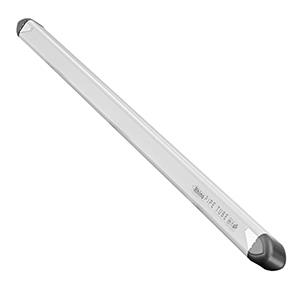
4. Pipe Carriers
Long lengths of conduit, copper or plastic strapped badly to a roof are asking for trouble. pipe carriers keep awkward stock enclosed, locked and out of sight while travelling between jobs.
Choose the Right Site and Vehicle Security for the Job
Match the security type to where the risk actually is.
| Your Job | Category or Type | Key Features |
|---|---|---|
| Leaving tools in a van overnight | Van locks and internal storage | Reinforced locking points, visible deterrent, secure tool containment |
| Protecting a temporary site compound | Site security equipment | Barriers, access control, strong lock points, weather-ready construction |
| Securing expensive kit inside the vehicle | Vehicle security storage boxes | Heavy-gauge body, internal mounting, tamper-resistant locking |
| Transporting long materials on the van | Pipe carriers and tie downs | Enclosed load security, stable fixing, reduced theft and damage risk |
| Watching access points and parked vehicles | CCTV and monitored security | Recorded footage, motion alerts, better evidence after an incident |
Common Buying and Usage Mistakes
- Relying on factory van locks alone is the big one. They are often the first thing targeted, so add secondary locking and secure internal storage if tools stay in the van.
- Buying site security equipment without thinking about where the weak access point is wastes money. Start with the gate, door, load area or storage box that thieves will hit first.
- Leaving tools visible through van windows or open side doors invites trouble. Keep expensive kit covered, boxed or stored out of sight whenever the vehicle is parked.
- Using load restraint as if it is theft protection is a bad assumption. Straps stop movement in transit, but they do not replace proper locks, boxes or monitored security.
- Fitting decent security badly ruins the point of it. Weak fixings, poor door alignment or loose mounting give thieves an easier job, so install everything properly and check it after use.
Van Locks vs Storage Boxes vs CCTV
Van Locks
Best when the main risk is forced entry through cab, rear or side doors. They are your first upgrade for van security, but they work best when backed up by internal storage as well.
Vehicle Security Storage Boxes
Best for protecting the tools themselves if someone does get into the vehicle. Slower to fit and heavier than simple locks, but a much stronger answer for expensive testing gear and power tools.
CCTV and Monitored Security
Best for wider site security where you need eyes on compounds, entrances or parked vehicles. It will not physically stop a theft on its own, but it adds deterrent value and gives useful evidence after the event.
Layered Security
If you carry high-value kit or run open sites, this is the proper setup. Locks slow entry, boxes protect the tools, and cameras help deter repeat attempts and show what happened.
Maintenance and Care
Check Fixings Regularly
Security gear takes vibration, knocks and weather, especially on working vans. Check bolts, brackets and mounting points now and then so nothing works loose over time.
Keep Locks Clean
Dust, road grime and winter salt soon make locks stiff. Clean them out and lubricate as needed so they still work properly when you are locking up in the rain at the end of the day.
Watch for Rust and Corrosion
External metalwork and exposed fixings can corrode fast on site vehicles. Deal with chipped coatings and surface rust early before it weakens the unit or seizes moving parts.
Inspect Hinges and Door Contact Points
If hinges, latch points or striker plates start to wear, the whole setup gets easier to attack. Replace worn parts before they turn a solid security product into a weak one.
Replace Damaged Parts Promptly
After an attempted break-in, do not carry on with bent hasps, cracked housings or sticking locks. Repair or replace the damaged section straight away or the next attempt will be easier.
Why Shop for Site and Vehicle Security at ITS?
Whether you need van security for one trade van or site security equipment for a bigger job, we stock the full range in one place. From locks and storage to wider vehicle security and tool theft prevention kit, it is all in our own warehouse and ready for next day delivery.
Site and Vehicle Security FAQs
What site security products does ITS stock?
ITS stocks a broad range of site security products for vans, compounds and stored kit. That includes locks, storage, transport security and other site and vehicle security gear aimed at reducing theft, protecting tools and keeping jobs moving.
How can I secure tools left in a van overnight?
Start with proper upgraded locks, then add a fixed internal box for the expensive stuff. Keep tools out of sight, park nose-in where possible, and do not leave loose kit visible through the glass. If the van is targeted, layered van security gives thieves a much harder night.
What is the best way to secure a building site?
The best way is to treat it in layers. Secure the perimeter first, lock down storage and high-value kit inside the site, then add visible monitoring where needed. One padlock on a gate is not site security if everything valuable is sitting behind it.
Are van locks enough on their own?
Sometimes, but not if you carry serious money in tools. Van locks are the first line of defence, not the whole answer. If the vehicle is parked overnight with high-value kit inside, add internal storage as well.
Do security storage boxes actually slow thieves down?
Yes, if they are properly mounted and built for the job. A decent box adds noise, time and effort to the theft, which is usually enough to make a quick smash-and-grab fail or get abandoned.
What matters more, visible deterrents or hidden security?
You want both. Visible security can stop the attempt happening in the first place, while hidden boxes and internal protection still matter if someone decides to chance it. The best setup is always layered, not one or the other.