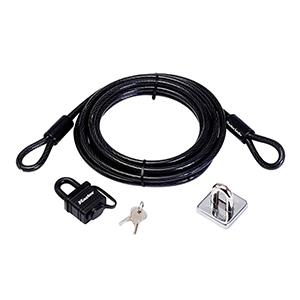
Padlocks & Chains
Padlocks are what stop tools, gates and stores walking off site. Get the right one and it stands up to weather, bolt croppers and daily abuse.
If you're locking up a van, container, gate or site box, don't just grab the cheapest body and hope for the best. The right padlock comes down to shackle size, body strength and where it's living day to day. You'll find solid options here for outdoor exposure, plant security and general lock-up jobs, plus security chains and security cables when the job needs more than a hasp. Sort the right setup now and save yourself the grief later.
What Are Padlocks Used For?
- Locking site boxes, tool vaults and storage cages where expensive kit gets left overnight and you need a padlock that will not jam up after a week of rain and dust.
- Securing gates, compounds and temporary fencing on building sites where a decent shackle and solid body help stop easy attacks with cutters and pry bars.
- Protecting vans, trailers and plant lockers when tools are moving between jobs and the lock needs to cope with constant opening, closing and knocks.
- Pairing with chains or cables to lock mixers, generators, ladders and other awkward gear that cannot just be shut inside a store at the end of shift.
- Managing access for teams and subcontractors by using keyed alike padlocks where one key needs to cover several locks without stuffing every pocket with spares.
Choosing the Right Padlock
Match the padlock to the attack risk and the place it is living, not just the hole it has to fit through.
1. Indoor or Outdoor
If the padlock is staying outside on a gate, container or yard store, go for weather-resistant bodies and shackles that will not seize up after rain, frost and site muck. If it is only for indoor cupboards or dry stores, you can be less fussy about corrosion protection.
2. Shackle Size and Exposure
Do not buy a long shackle unless the job genuinely needs the extra reach. More exposed shackle gives thieves more room for cutters and levering. If you can, keep the fit tight through the hasp, chain or fixing point.
3. Body Strength
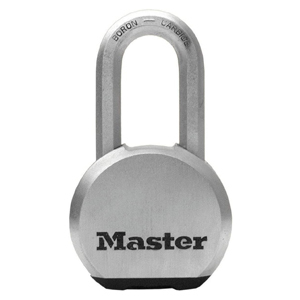
For tool stores, compounds and anything worth proper money, choose a solid metal body or a protected design that resists hammering and twisting. Light-duty locks are fine for low-risk cupboards, but they are not for site perimeters or plant.
4. Keyed, Keyed Alike or Combination
If one person controls access, a standard keyed lock is simple enough. If several locks are in daily use, keyed alike saves time and stops keyring chaos. If keys are always getting lost on shared access points, combination locks can make more sense so long as the code is managed properly.
Who Uses These Padlocks?
- Site managers use padlocks on containers, temporary fencing and fuel stores because they need quick lock-up at the end of the day without leaving weak points on access routes.
- Builders, chippies and sparkies keep them on tool chests, van boxes and site lockers to stop costly gear going missing between shifts.
- Groundworkers and landscapers rely on them for gates, plant, trailers and external compounds where mud, weather and rough handling soon show up a flimsy lock.
- Maintenance teams and facilities staff use them for service cupboards, perimeter access and shared stores, often choosing combination padlocks when key control is more hassle than it is worth.
Padlock Accessories That Make the Job Work Properly
A good padlock is only half the setup. These extras stop weak fixing points undoing the whole job.
1. Security Chains
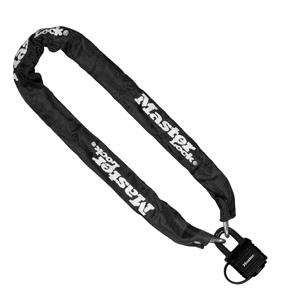
A strong lock means nothing if you are clipping it onto a cheap chain that folds to cutters in seconds. Match your padlock with the right chain so the chain does not become the part that fails first.
2. Security Cables
These are handy for ladders, mixers, garden kit and awkward gear that cannot be locked inside. They give you a quick way to secure items together or to an anchor point without dragging a heavy chain around.
3. Hasps and Staples
If the fixing point is weak or badly sized, even a decent padlock is wasted money. A proper hasp and staple gives the lock something solid to work with and helps keep the shackle less exposed.
Choose the Right Padlock for the Job
Use this as a quick guide before you throw one in the basket.
| Your Job | Category or Type | Key Features |
|---|---|---|
| Locking an indoor cupboard or light store | Standard keyed padlock | Basic corrosion resistance, simple keyed access, compact body |
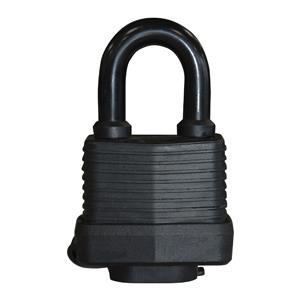
| Securing an outdoor gate or compound | Weather-resistant shrouded padlock | Protected shackle, tougher body, better defence against rain and cutters |
| Managing several site locks with one key | Keyed alike padlock | One key for multiple locks, less faff for managers and maintenance teams |
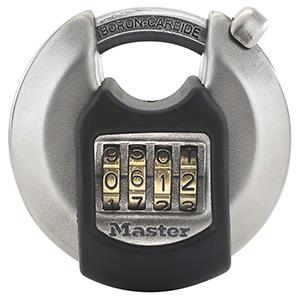
| Shared access where keys keep going missing | Combination padlock | No key to lose, easy team access, best where code control is sensible |
| Locking plant, ladders or kit to a fixed point | Padlock with chain or cable setup | Correct shackle clearance, compatible with chains or cables, suited to awkward items |
Common Buying and Usage Mistakes
- Buying by width alone and ignoring shackle clearance is a common mistake. The lock turns up, does not fit the hasp or chain properly, and you either send it back or end up forcing a poor setup.
- Using a long shackle when a standard one would do leaves too much metal exposed. That makes life easier for cutters and levering, so always keep the fit as tight as the job allows.
- Putting an indoor-rated padlock outside usually ends with a seized cylinder and a grinder job. If it lives in the weather, buy for rain, frost and dirt from the start.
- Spending money on a solid padlock but clipping it through a weak chain, cheap hasp or thin latch ruins the whole setup. Your security is only as good as the weakest part around the lock.
- Not thinking about key control causes needless hassle on busy sites. If several people need access, sort out keyed alike or combination options before keys start disappearing.
Keyed vs Combination vs Shrouded Padlocks
Keyed Padlocks
Best for straightforward security where one person or a small team controls access. They are simple, dependable and usually the better option for tougher site security, but lost keys can be a nuisance if access is shared.
Combination Padlocks
Handy where several users need access and keys always go missing. They save key management headaches, but they are only as secure as the code control and the build quality of the lock itself.
Shrouded Padlocks
These are the better pick where attack risk is higher because the body shields more of the shackle from cutters. They can be bulkier, so check they suit your hasp, chain or gate fitting before you buy.
Maintenance and Care
Keep Dirt Out of the Keyway
Site dust, grinding sparks and rainwater soon gum up a lock. Give the keyway and shackle area a quick clean now and then so it does not stiffen up when you need it most.
Lubricate Properly
A light lock lubricant helps stop sticking and corrosion, especially on outdoor padlocks. Do not wait until the key starts fighting you every morning.
Check the Shackle and Body for Damage
If the shackle is bent, the body is cracked or the lock has clearly taken a hiding, replace it. A damaged lock might still close, but it is already telling you it is near the end.
Store Spare Keys Properly
Half the battle with keyed locks is not losing access. Label spare keys properly and keep them where the right people can get them without everyone on site having a copy.
Replace Seized or Worn Locks Early
If a padlock is regularly sticking, rusting badly or not latching cleanly, retire it before it leaves you cutting your own lock off in the rain at knock-off time.
Why Shop for Padlocks at ITS?
Whether you need a simple lock for a cupboard, tougher padlocks for gates and site boxes, or a full setup with chains and cables, we stock the range that matters. ITS carries the lot in our own warehouse, ready for fast next day delivery, and you can shop the wider CCTV and security range at the same time.
Padlock FAQs
What are the 7 types of padlocks?
The main ones you will come across are keyed padlocks, combination padlocks, keyed alike padlocks, long shackle padlocks, closed shackle or shrouded padlocks, weatherproof padlocks and disc padlocks. Each suits a different job. For site use, the important bit is not the label on the packet but whether it matches your hasp, your environment and the level of attack risk.
What makes a padlock high security?
A high security padlock usually has a tougher body, a hardened shackle and less exposed metal for cutters to get at. Good cylinder protection matters too. In plain terms, it should resist cropping, twisting and hammering better than a basic lock. It is also only high security if the chain, hasp or gate fitting is up to the same standard.
How do I choose the right padlock for outdoor use?
Start with weather resistance, then check the shackle size and body strength. Outdoor padlocks need to cope with rain, frost, dirt and regular abuse without seizing. Keep the shackle exposure as tight as you can and avoid buying a light indoor lock for a gate or compound just because it is cheaper.
Are keyed alike padlocks worth it on site?
Yes, if you are running several locks across stores, gates or boxes, they save a lot of messing about. One key for multiple locks is easier for managers, maintenance teams and van users. Just make sure key control is sensible, because one lost key affects the whole set.
Will a bigger padlock always be more secure?
No. Bigger does not automatically mean better if the shackle is exposed, the cylinder is poor or the fitting it goes through is weak. A properly designed lock with the right shackle fit is usually a better bet than just buying the largest body you can find.
Do I need a chain or cable with my padlock?
If you are locking awkward kit, gates without built-in latching points, or plant that cannot be shut in a box, then yes, you probably do. The padlock only secures what it is attached to, so many jobs need a proper chain or cable to make the lock useful in the first place.