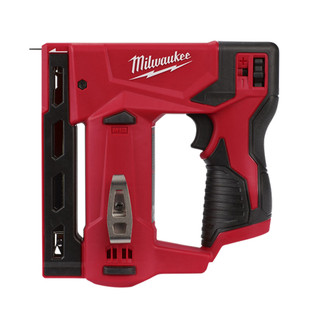
Milwaukee M12 Nail Guns
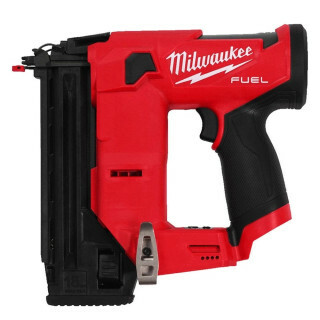
Milwaukee M12 nail gun kit is built for neat fixing, second fix trim and delicate punch-in work where a big gun is overkill and a hammer marks the job.
If you're pinning beads, trims, panels or light mouldings, a Milwaukee m12 nail gun saves time and leaves a cleaner finish than glue and hand pins. The Milwaukee pin nailer setup suits snagging, fit-out and tidy second fix work where split timber and big holes are a problem. If you already run M12, it makes sense to keep everything on one battery platform and get the right nailer for the job.
What Are Milwaukee M12 Nail Guns Used For?
- Fixing small trims, decorative beads and fine mouldings where a larger nail head would show and leave more making good at the end.
- Working through second fix joinery and fit-out jobs where a milwaukee 23 gauge pin nailer gives you a tidy hold without splitting painted or delicate timber.
- Pinning panels, cover strips and lightweight facings in refurb work where speed matters but you still need a clean finish for handover.
- Snagging kitchens, bedrooms and built-in furniture on site where dragging a hose about is more trouble than the fixing itself.
- Handling quick punch-list jobs in occupied properties where a compact m12 nail gun is easier to carry room to room and causes less mess.
Choosing the Right Milwaukee M12 Nail Gun
Match the nailer to the finish you need. If the fixing is meant to disappear, do not grab a bigger gun than the job calls for.
1. Pin Nailer or Brad Nailer
If you are fixing delicate trims, fine beads or pre-finished mouldings, go for a Milwaukee 23g pin nailer. If you need a bit more holding power in thicker timber or heavier trim, step up to Milwaukee M12 Brad Nailers instead.
2. Think About Material, Not Just Gauge
If you are mostly working in softwood trims and lightweight decorative pieces, an m12 pin nailer is the tidy option. If you are fighting denser stock or parts that get knocked about, pins may need glue backing them up or you may need a different fixing method.
3. Body Only or Full Kit
If you already run M12 gear, a body saves money and keeps the van lighter. If this is your first step into the platform, buy the kit so you are not borrowing batteries off other tools by mid-morning.
4. Buy for Access, Weight and Snagging Work
If you are moving room to room on second fix, compact size matters more than brute force. A Milwaukee nail gun M12 setup makes more sense for trim and finishing than carrying bigger first fix kit you do not need.
Who Uses These M12 Nailers?
- Chippies and second fix joiners use a Milwaukee m12 nailer for beads, trims, light mouldings and final tidy-up work where visible fixings ruin the finish.
- Kitchen fitters reach for a milwaukee pin nailer when pinning end panels, scribes and cover trims without hauling a compressor through a finished house.
- Shopfitters and fit-out teams use a milwaukee 12v nail gun for fast, neat fixing on panels and detailed timber work during snagging and final install.
- Maintenance teams keep an m12 pin nailer in the van for quick repairs and finishing jobs where a full first fix gun would be too aggressive.
The Basics: Understanding Milwaukee M12 Nail Guns
These are fixing tools for clean, fast trim work without dragging a hose and compressor behind you. The main thing is knowing what sort of fixing they leave and how much hold you actually need.
1. Pin Nailers Leave Less Behind
A milwaukee pin nailer drives very fine pins that are made to hold trims and mouldings while glue sets or to secure lightweight finishing pieces with barely any visible hole left to fill.
2. More Holding Power Means a Larger Fastener
If the job needs more grip, you move up to a brad nailer or stapler rather than expecting a 23 gauge fixing to do first fix work it was never meant for.
3. Cordless Matters on Finished Jobs
On occupied homes, snagging runs and room-to-room fit-outs, an m12 nail gun saves setup time and keeps you mobile, especially where hoses would mark floors or catch finished corners.
Accessories That Keep Your M12 Nailer Useful
A couple of sensible extras stop small fixing jobs turning into wasted trips back to the van.
1. Spare M12 Batteries
A spare battery is the obvious one. There is nothing clever about running out of charge halfway through a snagging list when you are working your way through finished rooms and the charger is in the van.
2. Correct 23 Gauge Pins
Buy the right length and gauge for the material in front of you. Too short and the trim lets go. Too long and you risk blow-through on fine mouldings and extra filling on a job that should have stayed tidy.
3. Protective Case or Organiser
A proper case keeps the nailer, pins and batteries together. It saves the usual site mess where loose strips get bent, tips get knocked about and you waste ten minutes hunting for the right consumables.
Choose the Right Milwaukee M12 Nail Gun for the Job
Use this quick guide to avoid buying a nailer that is too heavy on the fixing or too light for the work.
| Your Job | Category or Type | Key Features |
|---|---|---|
| Fine trim, beads and delicate mouldings | Milwaukee 23 gauge pin nailer | Very small hole, low split risk, tidy finish on second fix work |
| Heavier trim and general second fix timber | M12 brad nailer | More holding power, better for thicker material, still cordless and compact |
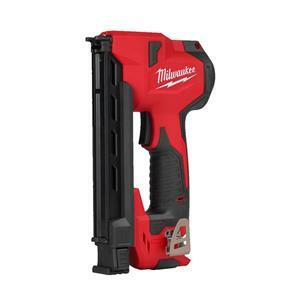
| Cable fixing on electrical installs | M12 cable stapler | Made for repeated fixing runs, cleaner and faster than mixed manual methods |
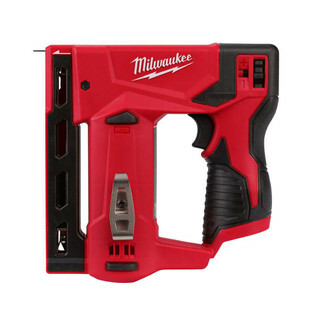
| Sheet materials or light timber fixing with staples | M12 narrow crown stapler | Broader hold than pins, useful where trim fixings need more bite |
Common Buying and Usage Mistakes
- Buying a pin nailer for jobs that actually need holding power is the usual mistake. A 23 gauge pin is for fine finish work, not heavy trim or rough fixing, so match the gun to the material.
- Using the wrong pin length causes grief both ways. Too short and the trim pulls free later. Too long and you risk blow-through, marking finished faces and creating more filling than you saved.
- Skipping glue where it is needed catches people out. On some decorative work, the pin is there to hold the piece while the adhesive cures, not to do the whole job on its own.
- Assuming all M12 nail guns do the same work wastes money. Brad nailers, staplers and cable staplers all suit different tasks, so buy for the fixing method you actually use most.
- Letting dust and bent consumables build up in the case leads to feed issues and stoppages. Keep the pins dry, straight and suited to the tool if you want clean firing on site.
Pin Nailer vs Brad Nailer vs Stapler
23 Gauge Pin Nailer
Best for delicate trim, thin mouldings and work where you want the fixing to all but disappear. It leaves the neatest finish, but it is not the one for heavier timber that needs proper bite.
Brad Nailer
The better all-rounder for second fix timber and heavier trim. You get more hold than a pin nailer, but you also get a more visible fixing and a bit more making good afterwards.
Narrow Crown Stapler
Useful where a staple gives better grip across the material, especially on sheet goods, backing pieces or repeated fixing work. Not the choice if appearance on the finished face matters most.
Cable Stapler
Built for sparkies fixing cable runs quickly and consistently. It is a specialist tool, so brilliant for that task, but not a substitute for trim and finishing nailers.
Maintenance and Care
Keep the Magazine Clean
Dust, broken pin fragments and site muck soon cause feed problems. Give the magazine a regular clean and do not leave half-used strips rattling about loose in the case.
Store Pins Dry and Straight
Fine pins do not like damp vans or being crushed under other gear. Keep them dry and flat or you will be dealing with poor feeding and bent fixings when you should be finishing the job.
Check the Nose for Marks
If you are working on painted or finished trim, inspect the contact tip before you start. Dirt and burrs on the nose can leave marks that are harder to hide than the pin hole itself.
Look After the Batteries
Do not leave M12 packs flat for weeks in the van. Charge them properly, keep terminals clean and rotate packs if the nailer only comes out for snagging and final fix runs.
Repair Jams Early
If the tool starts misfiring or jamming, sort it straight away rather than forcing through the day. Repeated dry fires and bent pins usually mean more wear and a rougher finish on the work.
Why Shop for Milwaukee M12 Nail Guns at ITS?
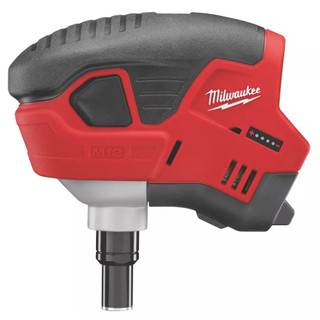
Whether you need a compact milwaukee m12 nail gun for fine trim, a milwaukee pin nailer for neat second fix work, or related M12 fastening kit, we stock the proper range. That includes Milwaukee M12 Narrow Crown Staplers, Milwaukee M12 Electricians Cable Staplers and Milwaukee M12 Powered Hammers, all backed by stock held in our own warehouse and ready for next day delivery.
Milwaukee M12 Nail Gun FAQs
How much does an M12 nailer cost?
It depends on the type and whether you are buying body only or a full kit with batteries and charger. A milwaukee m12 nail gun aimed at fine finish work will usually cost less than stepping into larger cordless nailing platforms, but the clean finish and time saved on second fix jobs is where it earns its keep.
What is an M12 nailer used for?
An M12 nailer is used for quick cordless fixing on finish and light install work without dragging a compressor round site. Depending on the model, that can mean pinning trim, firing brads into second fix timber, stapling sheet materials or fixing cable runs neatly for electrical work.
Does Milwaukee make a M12 finish nailer?
Milwaukee makes M12 nailers for finish-focused work, but you need to check the fixing type rather than just the wording. If you want the neatest possible result on delicate trim, look at the milwaukee 23 gauge pin nailer. If you need more grip in second fix timber, the brad nailer is usually the better bet.
Is a Milwaukee 23 gauge pin nailer strong enough on its own?
For lightweight trims and fine mouldings, yes, often it is. For anything heavier, most trades will still use adhesive and let the pins hold the piece in place while it sets. That is the honest use case. It is a finish tool, not a substitute for heavier fixings.
Will an M12 pin nailer split delicate trim?
That is exactly the sort of job it is meant for. A milwaukee m12 pin nailer uses very fine pins, so the risk of splitting is much lower than with larger fixings. You still need the right pin length and a sensible firing angle, especially on narrow beads and pre-finished stock.
Is cordless M12 nailing worth it over air tools?
For snagging, second fix and room-to-room work, yes. You lose the hose, compressor and setup time, which matters on finished jobs and occupied properties. If you are doing high-volume bench work all day in one place, air still has its place, but most site users buy M12 for convenience and speed.
What else should I look at if I need more than a pin nailer?
If you need more grip for timber trim, look at Milwaukee M12 Brad Nailers. If your work is electrical fixing, Milwaukee M12 Electricians Cable Staplers are the proper route. If you are building out the rest of the platform, plenty of trades pair their fastening kit with Milwaukee M12 Saws for tidy second fix and fit-out work.