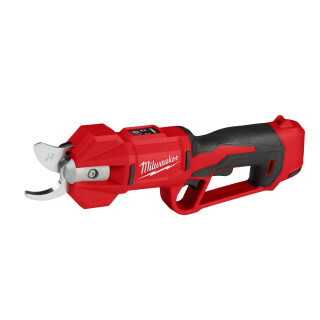
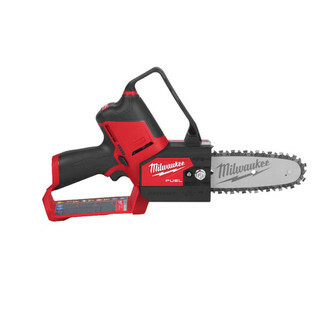
Milwaukee M12 Pruners & Shears
Milwaukee pruning shears speed up repetitive cutting, saving your hands on long days of pruning, trimming and tidy-up work around gardens and grounds.
If you're cutting back shrubs, fruit trees or woody stems all day, manual secateurs soon start biting back. Milwaukee pruning shears on the M12 platform take the strain out of repeated cuts, give you cleaner results on live growth, and make more sense when you're doing proper grounds work rather than the odd branch at home. Pair them with Milwaukee M12 Pruning Saws for thicker limbs, Milwaukee M12 Power Shears for sheet and soft material cutting, Milwaukee M12 Hedge Trimmers for hedge lines, Milwaukee M12 Blowers & Vacuums for the clear-up, or buy into Milwaukee M12 Garden Power Tool Kits if you want the lot on one battery system.
What Are Milwaukee Pruning Shears Used For?
- Cutting back shrubs, roses and woody stems on maintenance rounds where hundreds of repeated snips soon wreck your grip with manual secateurs.
- Pruning fruit trees and ornamental planting where a clean, controlled cut helps the plant recover better and leaves a neater finish for the client.
- Working through estate, grounds and garden tidy-ups where compact cordless kit is quicker to carry than dragging bigger cutting gear round beds and borders.
- Sorting overgrown patches before switching to larger kit, letting you clear smaller branches and awkward growth without tearing stems or twisting your wrist.
Choosing the Right Milwaukee Pruning Shears
Sorting the right one is simple: match the cut size and daily workload to the tool, not the brochure.
1. Cut Capacity First
If you are mainly trimming softer stems and light tidy-up growth, you do not need to chase the biggest spec. If you are regularly cutting older, woody branches, check the stated maximum cut capacity properly or you will end up forcing the tool and slowing the job down.
2. Battery Platform Matters
If you already run M12 kit, these are an easy add to the van and make far more sense than starting another garden platform. If this is your first Milwaukee garden tool, think about what else you will buy next so your batteries and chargers are doing more than one job.
3. Weight Over a Full Shift
A pruning shear can feel fine for ten minutes and heavy by dinner time. If you are doing all-day maintenance work, compact balance and trigger comfort matter more than a spec sheet, because sore wrists and forearms slow you down just as much as a blunt blade.
4. Shears or Saw
If you are spending half the day on branches beyond pruning size, stop pretending shears will cover it all. Use pruning shears for fast repetitive snipping and move up to a pruning saw when the timber gets thicker, harder or more awkward.
Who Uses These on Site?
- Landscapers use Milwaukee pruning shears for routine maintenance, cutting back stems and light branches quickly without the hand ache that comes with manual snips.
- Grounds maintenance teams keep them close for parks, schools and managed sites where tidy, repeated pruning is part of the weekly round.
- Tree and estate workers reach for them when cleaning up smaller growth before moving onto saw work, especially when moving constantly between beds, borders and young trees.
- Facilities and property maintenance teams use them for keeping external areas presentable, especially on sites where quiet, compact cordless kit is easier to manage than petrol gear.
The Basics: Understanding Milwaukee Pruning Shears
These save time by using a powered blade to do the hard part of the cut for you. The main thing to understand is where they beat manual secateurs and where you still need bigger cutting kit.
1. Powered Cutting Instead of Hand Force
You line the jaws up on the stem and the tool drives the blade through it, so you are not relying on grip strength for every cut. On long pruning rounds, that means less fatigue and more consistent results.
2. Best for Repetitive Branch Work
This is the sweet spot for pruning shears. They come into their own when you are making lots of similar cuts through live growth, shrubs and lighter woody branches, not hacking through oversized limbs.
3. Clean Cuts Depend on Sharp Blades
The tool does the work, but the blade still needs to be clean and sharp. Look after it properly and you get neater cuts and less strain on the motor. Let it gum up and every cut gets slower and rougher.
Accessories That Keep Pruning Jobs Moving
A few sensible extras stop downtime and keep your shears cutting cleanly through the day.
1. Spare M12 Batteries
A spare battery is the obvious one. Do not get halfway through a maintenance round or orchard row and end up waiting on charge when you could have swapped packs and carried on.
2. Charger
Keep a proper charger in the van or workshop so batteries are ready for the next day. It saves the usual headache of grabbing a tool in the morning and finding the pack is flat from the last job.
3. Replacement Blades
Once the blade starts dragging or crushing rather than slicing, the job gets slower and the finish gets rougher. Having a replacement ready saves forcing tired blades through live growth and stressing the tool.
Choose the Right Milwaukee Pruning Shears for the Job
Use this quick guide to sort light tidy-up work from proper daily pruning.
| Your Job | Category or Type | Key Features |
|---|---|---|
| Light garden tidy-ups and occasional branch cutting | Compact M12 pruning shears | Low weight, easy one-handed use, enough capacity for routine stems and smaller woody growth |
| Regular grounds maintenance and repeated pruning rounds | M12 pruning shears with extra battery support | Fast repeat cuts, less hand fatigue, easy battery swaps to keep working all day |
| Fruit tree work and ornamental pruning | Precision pruning shears | Clean controlled cuts, compact head, better access into dense growth |
| Mixed pruning with thicker branches on the same job | Pruning shears plus pruning saw setup | Shears for repetitive cuts, saw for oversized limbs, less forcing the wrong tool |
Common Buying and Usage Mistakes
- Buying pruning shears for branches that really need a saw wastes time and strains the tool. If the timber is regularly beyond the stated capacity, step up to pruning saws for that part of the job.
- Ignoring battery planning catches plenty of lads out halfway through a round. Keep a second M12 pack charged if the tool is earning its keep all day.
- Letting sap and dirt build up on the blade makes the cut rougher and the motor work harder. Wipe the blade down after use and keep it clean if you want fast, neat cuts.
- Forcing the jaws through material at an awkward angle can pinch the blade and leave a poor finish. Line the cut up properly and let the tool do the work.
- Running on a dull blade because it still sort of cuts is false economy. Once performance drops off, replace or service the blade before it slows every cut on site.
Pruning Shears vs Pruning Saws vs Hedge Trimmers
Pruning Shears
Best for repetitive cutting of stems and lighter woody branches where one-handed control matters. They are quicker and easier on your hands than manual secateurs, but they are not the answer for thick limbs or full hedge faces.
Pruning Saws
Use these when branch size goes beyond what shears should sensibly handle. They are the right call for thicker timber and heavier cutting, but they are slower and less tidy for constant small snips through softer growth.
Hedge Trimmers
These are built for shaping hedge faces and clearing lots of fine outer growth quickly. They cover far more area than shears, but they do not give the same selective cut on individual stems, shrubs or fruiting growth.
Maintenance and Care
Clean the Blade After Use
Sap, moisture and fine debris soon build up on pruning gear. Wipe the blade and jaws down after each job so cuts stay clean and the mechanism does not start dragging.
Check Sharpness Regularly
A sharp blade cuts quicker, leaves a neater finish and puts less load on the tool. If it starts crushing stems or hesitating through wood it used to cut cleanly, sort the blade before the tool suffers for it.
Store Dry and Protected
Do not leave pruning shears wet in the van or rattling round loose with other gear. Dry storage helps prevent corrosion and stops the cutting head taking knocks between jobs.
Look After the Batteries
Recharge packs properly and do not leave them flat for long periods. Good battery habits mean steadier runtime and fewer surprises when the tool comes out for the next maintenance round.
Why Shop for Milwaukee Pruning Shears at ITS?
Whether you need a single Milwaukee pruning shear, extra batteries, or wider M12 garden kit to build out the system, we stock the proper range. It is all held in our own warehouse, in stock and ready for next day delivery, so you can get the right cutting kit on site without waiting about.
Milwaukee Pruning Shears FAQs
How thick can the Milwaukee M12 brushless pruners cut?
That depends on the exact model, but this type of tool is built for pruning-size branches and woody stems rather than proper saw work. Check the listed cut capacity on the product page and stay within it. If you are regularly pushing into thicker limbs, move up to a pruning saw instead of forcing the shears.
Does the M12 pruning shear reduce hand fatigue compared to manual tools?
Yes. That is one of the main reasons to buy it. On repeated cuts through shrubs, stems and light branches, the powered blade does the hard part for you, so your hand and forearm are not taking the same pounding as they do with manual secateurs.
How many cuts can I achieve on a single M12 battery charge?
Battery life varies with branch thickness, timber condition, blade sharpness and pack size, so there is no honest one-number answer for every job. For routine pruning work, runtime is generally strong, but if you are out all day doing maintenance rounds, carry a spare battery and stop it becoming a problem.
Are Milwaukee pruning shears worth it if I only do occasional garden work?
If it is genuinely occasional and only a few cuts at a time, manual secateurs may still do the job. These start making real sense when you are doing regular pruning, larger areas, or enough repeated cutting that hand fatigue and speed become an issue.
Can Milwaukee pruning shears handle wet or green wood?
Yes, they are designed for live growth and green stems, which is exactly where clean powered cuts are useful. Just keep the blade clean, because wet sap and debris will build up quicker and drag performance down if you leave it there.
Do I need to maintain the blade much?
More than people think, but it is simple enough. Clean off sap and dirt after use, check the edge regularly, and replace or service the blade once it starts crushing or slowing the cut. Leave it too long and the tool ends up working harder than it should.