





Bosch Pro Drill Bits
Drilling joists, steel brackets or brickwork? Match Bosch professional drill bits to the material before you start.
Sparkies, chippies and fitters need the right cutting tip and shank, not just the right diameter. Check drilling depth and chuck compatibility, then choose individual replacements or a set covering your regular fixing sizes.
What Are Bosch Professional Drill Bits Used For?
- Drill cable and pipe routes through timber joists using Bosch professional wood drill bits sized for the service and the permitted hole position.
- Make fixing holes in brick and block with Bosch professional masonry drill bits matched to the substrate and your drill chuck.
- Drill steel brackets and metal sections with Bosch professional HSS drill bits, using controlled speed and suitable cutting lubricant where required.
- Prepare repeated fixing holes during fit-outs with a Bosch professional drill bit set covering the diameters specified for your plugs, screws and bolts.
Choosing the Right Bosch Professional Drill Bits
Choose the cutting material and shank first, then check diameter and usable drilling depth.
1. Timber and Service Holes
For deeper holes through solid timber, look at Bosch Pro Auger Drill Bits. Check the working length rather than overall length, and do not assume a timber bit will tolerate concealed nails.
2. Mild Steel or Tougher Metal
For ordinary steel drilling, start with Bosch Pro HSS Drill Bits. For stainless steel and tougher alloys, consider Bosch Pro Cobalt Drill Bits, checking the stated material suitability. Cobalt does not make up for excessive speed or poor lubrication.
3. Masonry and Chuck Compatibility
Choose Bosch Pro Masonry Drill Bits by substrate and shank. Straight-shank bits fit suitable three-jaw chucks; SDS bits need the matching holder. For repeated concrete drilling, use a suitable SDS drill and concrete-rated bit rather than forcing a standard hammer drill.
4. Individual Bits or a Set
If you regularly switch fixing sizes, Bosch Drill Bit Sets keep the required diameters together. If one size does most of the work, buy spare individual bits instead of another box of sizes you rarely use.
Who Uses Bosch Professional Drill Bits?
Sparkies and plumbers use wood bits for first-fix service routes, while joiners need accurate holes for fittings and timber connections. Maintenance teams carry masonry and metal bits for brackets, repairs and installations across mixed substrates. Steel fabricators choose Bosch professional metal drill bits to suit the metal grade rather than treating every steel section alike.
The Basics: Understanding Drill Bit Types
The cutting tip determines how the bit tackles the material. The shank determines whether it fits your drill.
1. Cutting Metal and Timber
HSS bits cut metal with sharpened edges, while dedicated wood bits use geometry suited to cutting timber and clearing chips. Use rotary mode for both; hammer action can damage the cutting edges and spoil the hole.
2. Drilling Masonry
Masonry bits commonly use carbide tips to break through mineral materials. Hammer action helps in suitable brickwork and concrete, but fragile or hollow materials may require rotary-only drilling. Follow the bit and substrate guidance.
Accessories for Cleaner, More Controlled Drilling
Support the bit properly to avoid overheated edges, misplaced holes and unnecessary clean-up.
1. Cutting Lubricant
Use a lubricant suitable for the metal and drilling process where specified. It reduces friction and heat when drilling steel, helping prevent an otherwise serviceable bit from losing its edge.
2. Compatible Dust Extraction Attachment
A suitable drill dust attachment connected to appropriate extraction captures masonry dust at the hole. Check compatibility and use it as part of the required dust controls, not as a replacement for them.
3. Centre Punch
Mark metal before starting a hole to help stop the bit wandering across the bracket. Support and clamp the workpiece before drilling.
Choose the Right Bosch Drill Bits for the Job
Start with the material, then check the bit fits your machine.
| Your Job | Bit Type | Key Features |
|---|---|---|
| Deep service holes in timber | Auger bit | Suitable diameter, working length and chip-clearing flutes |
| Fixing holes in mild steel brackets | HSS metal bit | Correct diameter and suitability for the metal grade |
| Drilling stainless steel | Suitable cobalt HSS bit | Heat-resistant cutting material with controlled speed and feed |
| Plug holes in brickwork | Masonry bit | Carbide tip and shank matched to the drill |
| Repeated holes in concrete | Concrete-rated SDS bit | Matching SDS holder, required working length and suitable extraction |
Common Buying and Usage Mistakes
- Buying by diameter alone can leave you with the wrong shank or insufficient reach. Check chuck compatibility and working length before ordering.
- Running metal bits too fast builds heat and blunts the edges. Reduce speed as diameter increases and follow the guidance for the metal being drilled.
- Leaving hammer mode switched on for timber or metal damages the hole and can damage the bit. Select rotary-only mode before starting.
- Treating every masonry surface the same can break out hollow blocks or damage finishes. Match the drilling action to the substrate and fixing instructions.
HSS vs Cobalt HSS vs Masonry Drill Bits
HSS Drill Bits
Choose standard HSS for routine drilling in suitable metals, including mild steel. It is a practical starting point for bracket work, but not a substitute for a carbide-tipped masonry bit.
Cobalt HSS Drill Bits
Choose a suitable cobalt HSS bit for tougher metals such as stainless steel. Improved heat resistance helps, but these bits still need controlled speed, steady feed and appropriate lubrication.
Masonry Drill Bits
Choose masonry bits for suitable brick, block and concrete applications. Their tips tackle mineral material rather than cutting steel cleanly, so change bits when the material changes.
Maintenance and Care
Clear the Flutes
Let bits cool before handling, then brush away swarf and compacted dust. Do not clear sharp swarf with bare fingers.
Store Dry and Separated
Keep bits in their indexed case rather than loose in a damp toolbox. Separate storage protects cutting edges and makes missing sizes obvious.
Inspect Before Reuse
Replace bent bits and those with cracked or missing tips. Suitable HSS bits can be resharpened with the correct equipment, but damaged masonry tips should not be ground back indiscriminately.
Look After the Shank
Clean shanks before fitting them and check the chuck grips properly. Apply SDS shank grease only where specified by the tool manufacturer; do not grease straight shanks held in a three-jaw chuck.
Shop Bosch Professional Drill Bits at ITS
ITS stocks the Bosch professional drill bit range for timber, masonry and metal, with individual replacements and sets for regular fixing sizes. Stock is held in our own warehouse, with in-stock items ready for next-day delivery. Check the selected size, availability and delivery options before ordering for tomorrow's job.
Bosch Professional Drill Bits FAQs
What drill bits do I need for masonry?
Use a masonry bit rated for the brick, block, stone or concrete you are drilling. Match its shank to your drill and its diameter to the fixing instructions. For repeated concrete drilling, a suitable SDS machine and concrete-rated bit are generally the more practical choice.
What is the difference between HSS and masonry drill bits?
HSS bits have sharpened cutting edges for drilling suitable metals in rotary mode. Masonry bits commonly have carbide tips designed for mineral materials, often with hammer action where appropriate. They are not interchangeable simply because the diameter matches.
Are Bosch drill bits any good?
Bosch offers application-specific bits for trade drilling, but the exact bit matters more than the badge. Choose the correct material rating, shank and working length. Even a suitable bit will wear quickly if it is overheated, forced or used on material outside its specification.
Where are Bosch tools made?
Bosch manufactures across several countries, and the manufacturing location varies by product. Do not assume every Bosch tool or drill bit is made in Germany. Check the packaging or product marking if the country of manufacture affects your purchase.
Do Bosch tools come with a warranty?
Bosch power tools have warranty terms that depend on the product and any applicable registration requirements. Drill bits are consumable accessories, so do not assume a power tool warranty applies to them. Normal wear is not a manufacturing defect; retain proof of purchase and check the terms for the specific item.
-
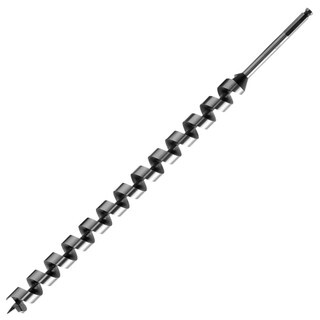
Bosch Pro Auger Drill Bits
-
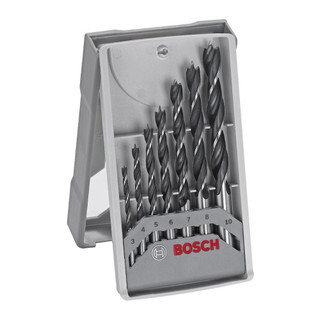
Bosch Pro Brad Point & Forstner Bits
-
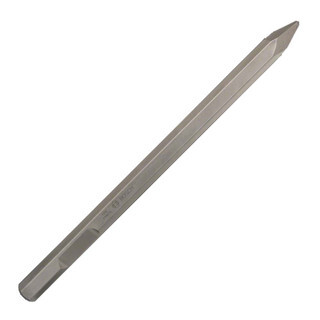
Bosch Pro Breaker & Demolition Bits
-
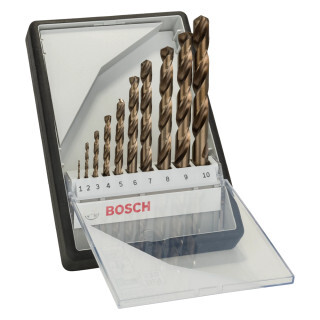
Bosch Pro Cobalt Drill Bits
-
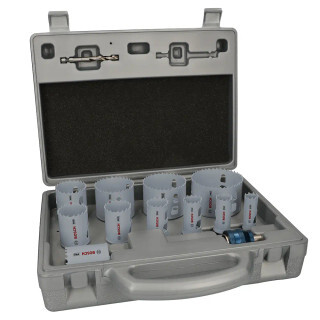
Bosch Pro Holesaws & Accessories
-
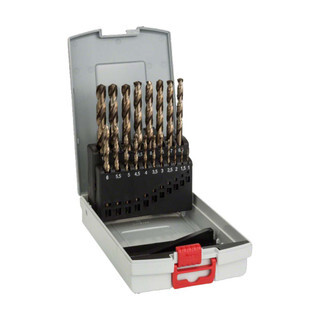
Bosch Pro HSS Drill Bits
-
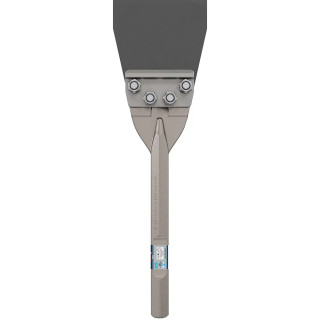
Bosch Pro Masonry Drill Bits
-
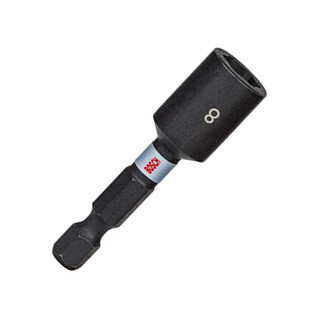
Bosch Pro Nut Setters & Adaptors
-
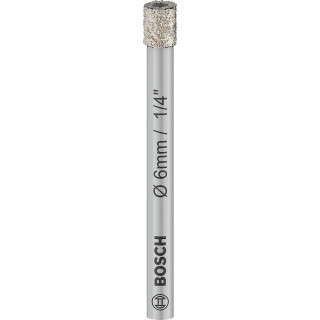
Bosch Pro Tile, Glass & Diamond Drill Bits
-
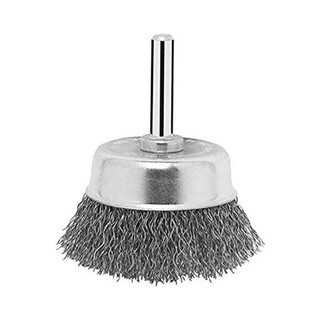
Bosch Pro Wire Brushes



