




Bosch Digital Detectors, Sensors & Testing Bosch Digital Detectors, Sensors & Testing

Bosch Digital Detectors, Sensors & Testing

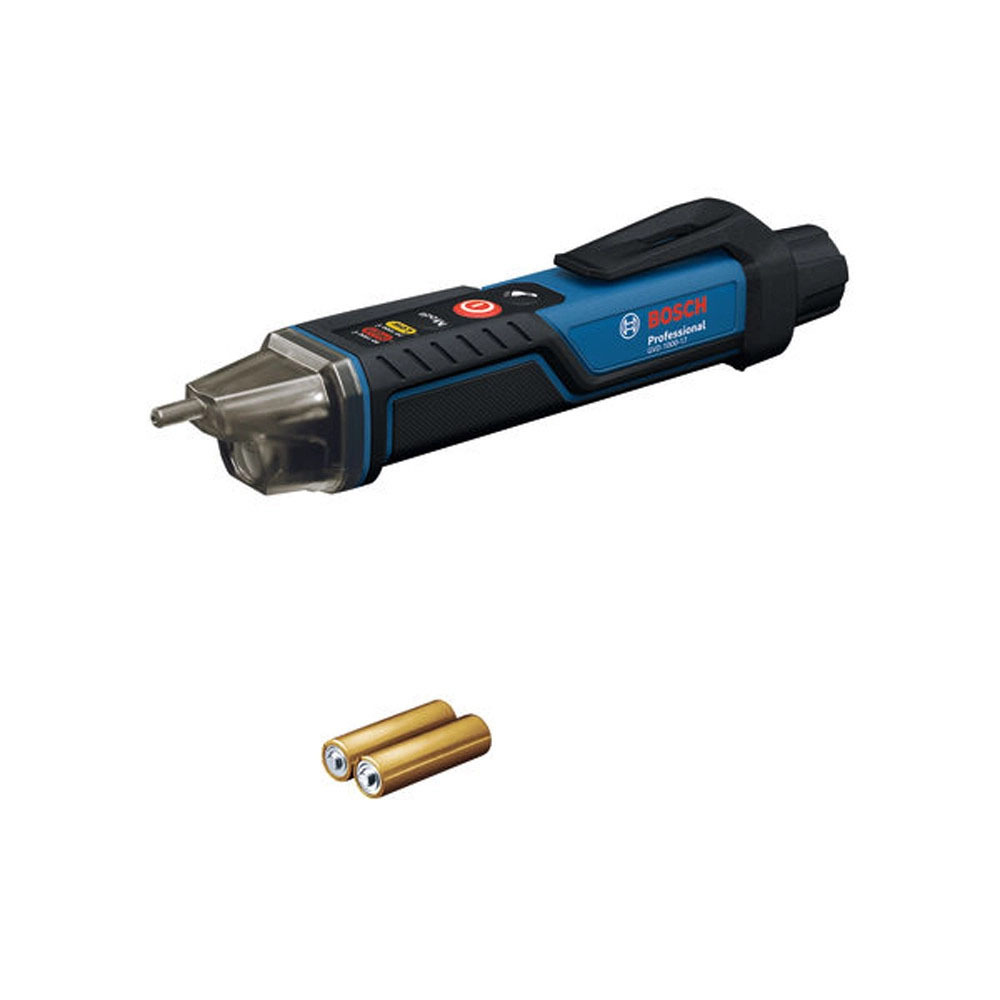
Bosch digital detector tools help you find cables, pipes, studs and metal before you drill, chase or cut into finished walls and ceilings.

On refurbs and first fix alterations, a Bosch wall scanner saves costly guesswork. These are the bits you reach for before core drilling, chasing for new back boxes, or fixing into boarded walls where you do not know what is buried behind. Bosch measuring tools are well liked because the readouts are clear, detection depth is usable on site, and they help you avoid live cables, copper pipe and hidden metal. If you are already looking through Bosch Lasers, Detectors & Digital Measures, this is the range to check before making the first hole.

What Are Bosch Digital Detectors Used For?

  • Scanning plasterboard and masonry walls before drilling for shelves, brackets, kitchen units or trunking helps you avoid clipping a live cable or punching into pipework.
  • Working on renovation jobs, a Bosch digital detector helps you trace hidden studs, metal and services before you cut access panels or chase out for extra sockets and switches.
  • Checking ceilings and boxed-in areas before fixing into them saves a lot of grief when you are mounting lights, detectors or support rail in places with unknown services.
  • Running snagging and maintenance work, a Bosch wall scanner gives you a quick read on what is behind finished surfaces so you can drill once instead of making a mess and patching after.
  • Surveying older properties where previous work is anybody's guess makes a cable detector or metal detector for walls a sensible first step before any saw, core bit or SDS drill comes out.

Choosing the Right Bosch Digital Detector

Sorting the right one is simple: match the detector to the wall build-up and the risk of what you might hit.

1. Finished Plasterboard vs Solid Masonry

If you are mainly fixing into plasterboard partitions, go for a Bosch wall scanner that clearly picks up studs, metal channels and cable routes behind boarded walls. If most of your work is drilling solid walls on refurbs, choose a Bosch professional detector with dependable detection through plaster and masonry, not just drylining.

2. Quick Fixing Jobs vs Full Renovation Work

If you only need to check the odd fixing point, a straightforward Bosch detector is enough. If you are regularly altering kitchens, bathrooms or old domestic installs, spend the extra on a model with broader material detection and clearer on-screen guidance because that is where mistakes get expensive.

3. Cables Only Is Not Enough

Do not buy on live cable detection alone. On site, the real problem is hidden copper, steel, timber studs and unknown brackets as well. If you are drilling blind into walls and ceilings most days, pick a digital wall scanner that reads multiple materials properly.

4. Readability Matters on Site

If the screen or signals are hard to read, it slows the whole job down. For lofts, plant rooms and dim refurb spaces, choose a Bosch measuring tools model with a display you can read quickly and a scan result that does not need second guessing.

Who Uses These on Site?

  • Sparkies swear by a Bosch stud finder and cable detector when adding sockets, chasing walls or fixing containment, because it cuts the risk of hitting hidden live runs.
  • Plumbers use a Bosch detector before drilling bathroom walls, boxed-in service voids and kitchen carcasses where copper, plastic and brackets can be tucked anywhere.
  • Kitchen fitters and chippies reach for these before hanging wall units, rails and heavy brackets, especially on drylined walls where studs and metal channels are not obvious.
  • Maintenance teams and site managers use trade detection tools for safe snagging, minor works and handover fixes, when they need a quick answer before putting holes in finished surfaces.
  • General builders on refurb work keep one in the van for the jobs that catch you out, especially in older houses where cable routes and patch repairs never follow the rules.

The Basics: Understanding Bosch Digital Detectors

These tools are there to tell you what is likely hiding behind the surface before you drill or cut. The important bit is not the science, it is knowing what each scan mode is helping you avoid.

1. Multi Material Scanning

A Bosch digital detector scans the wall and looks for changes that suggest metal, timber substructure, voids or services. In practice, that means fewer blind holes when you are fixing battens, brackets or boxes into unknown walls.

2. Live Cable Detection

This is the mode most sparkies look at first. It helps identify likely live electrical runs before chasing or drilling, which is exactly what you need when extending circuits or adding accessories in finished rooms.

3. Reading the Wall Properly

Detectors are only as good as the way you move them. Slow, steady passes over a clean surface give you the clearest result, and repeated scans from different directions help confirm whether you are looking at a cable, a metal fixing or just a change in the wall build-up.

Choose the Right Bosch Digital Detector for the Job

Use this quick guide to sort the right detector for the work in front of you.

Your Job Bosch Detector Type Key Features
Fixing shelves, brackets or cabinets to plasterboard walls Basic wall scanner Stud and metal finding, clear centre marking, quick single area checks
Adding sockets or chasing walls on domestic refurb work Multi material digital detector Live cable detection, metal detection, deeper scanning through finished surfaces
Checking bathroom and kitchen walls before drilling Service locating wall scanner Finds likely pipes, metal and cable routes where damage would be costly
Surveying older properties with unknown previous alterations Advanced Bosch professional detector Broader material detection, clearer display feedback, better for repeated scanning
General maintenance and snagging across mixed wall types All round Bosch detector Fast setup, simple controls, reliable checks before drilling and fixing

Common Buying and Usage Mistakes

  • Buying for one material only is a common mistake. If you only choose a unit for timber studs but most of your work is on plastered masonry, you will end up with limited readings and more guesswork.
  • Rushing the scan causes bad calls. Move too fast and the detector can miss edges or misread buried items, so slow the pass down and scan the area more than once.
  • Trusting one scan line without checking from another direction catches plenty of people out. Cross check the area before drilling so you know whether you have found a cable route, pipe clip or just a fixing.
  • Using a dirty or uneven surface gives poor results. Dust, loose wallpaper and rough debris can affect contact, so wipe the area first and scan on the flattest surface you can.
  • Assuming a detector replaces common sense is where damage happens. Even with a good Bosch digital detector, you still need to think about likely service routes, previous alterations and safe fixing zones.

Digital Detectors vs Stud Finders vs Cable Detectors

Bosch Digital Detector

This is the better all round choice if you work across mixed walls and do not know what is behind them. It is built for finding more than one type of hidden material, so it suits refurbs, maintenance and repeat site use.

Basic Stud Finder

A stud finder is fine for simple plasterboard fixing jobs where you mainly need timber or metal framing. It is usually quicker for light work, but it is not the tool to rely on when live cables and pipework are a real risk.

Cable Detector

If your main concern is tracing electrical runs before chasing or drilling, a cable detector keeps the focus on live services. The limitation is obvious though, because it will not give the same broader picture of hidden studs and other buried materials.

Which One Makes Sense

For most trades, a Bosch wall scanner or Bosch professional detector is the safer buy because jobs rarely stay simple. If you drill into walls for a living, broader detection is worth paying for.

Maintenance and Care

Keep the Sensor Face Clean

Wipe the contact surface after use, especially after dusty chasing or drilling. Built up dust and grit can affect how smoothly the detector reads across a wall.

Store It Properly

Do not leave it loose in the van getting knocked about by cores and SDS bits. Keep it protected with your Bosch Tool Storage if you want the screen and sensor area to stay in good order.

Check Power Before the Job

A weak battery is no use when you are halfway through setting out fixings. If your model is rechargeable, keep spare power ready with Bosch 12V Batteries so the detector is ready when you need it.

Recheck After Hard Knocks

If it has been dropped off a hop-up or bounced around in transit, test it on a known wall or surface before trusting it on a live job. A quick confidence check is better than drilling blind.

Replace Worn or Damaged Units Sensibly

If the display is cracked, the buttons are failing or readings become inconsistent, do not keep forcing it through important work. A detector is there to avoid damage, so once it stops being trustworthy, replace it.

Why Shop for Bosch Digital Detectors at ITS?

Whether you need a straightforward Bosch stud finder for safe fixing or a Bosch professional detector for renovation and service locating, we stock the proper range in one place. You can also shop related Bosch Hand Tools and pair your detector with Bosch Laser Levels for setting out and drilling accurately. It is all held in our own warehouse, in stock, and ready for next day delivery.

Bosch Digital Detector FAQs

What can a Bosch digital detector find behind walls?

A Bosch digital detector can typically help you locate hidden live cables, metal pipe, rebar, metal studs and, on suitable wall types, timber substructure. Exact results depend on the model and the wall build up, but for normal trade use it is there to stop you drilling blind into services or fixings.

Are Bosch wall scanners suitable for electricians and plumbers?

Yes, that is exactly where they earn their keep. Sparkies use them before chasing and adding accessories, while plumbers use them before drilling bathroom and kitchen walls where cable and pipe runs are often hidden close together.

Can Bosch detectors find live cables, studs and metal?

Yes, many Bosch detector models are built to identify more than one material type, including live electrical cables and buried metal. Some can also help locate studs or substructure, but always check the model details because not every detector in the range scans to the same depth or material type.

Which Bosch detector is best for renovation work?

For renovation work, go for the Bosch professional detector with the broadest multi material detection and the clearest display you can justify. Refurb jobs are where hidden services, old patching and mixed wall construction catch people out, so this is not the place to buy the most basic unit.

Will a Bosch wall scanner work properly on old lath and plaster or patched walls?

It can still be useful, but old walls need a bit more patience and a bit less faith in one scan. Uneven build ups, mesh, patch repairs and random metal fixings can all affect readings, so scan slowly, repeat the pass and treat the result as guidance to confirm before drilling.

Do I still need to think about cable zones if I am using a detector?

Yes, absolutely. A Bosch detector is a proper safety check, but it does not replace knowing likely vertical and horizontal cable routes, safe zones and where previous trades might have ignored them.

Are these just for walls, or can they be used on ceilings and floors as well?

They are useful on ceilings and some floor areas too, especially before fixing lighting, supports or drilling through. Just make sure the model suits the material and scan slowly, because overhead work and uneven surfaces make false reads more likely if you rush it.

Are Bosch detectors worth having in the van if I only use one now and then?

Yes, because the one time you avoid a live cable or buried pipe, it has paid for itself. Even occasional fixings in unknown walls are enough reason to keep a Bosch wall scanner handy.

Read more

Bosch Digital Detectors, Sensors & Testing

Bosch digital detector tools help you find cables, pipes, studs and metal before you drill, chase or cut into finished walls and ceilings.

On refurbs and first fix alterations, a Bosch wall scanner saves costly guesswork. These are the bits you reach for before core drilling, chasing for new back boxes, or fixing into boarded walls where you do not know what is buried behind. Bosch measuring tools are well liked because the readouts are clear, detection depth is usable on site, and they help you avoid live cables, copper pipe and hidden metal. If you are already looking through Bosch Lasers, Detectors & Digital Measures, this is the range to check before making the first hole.

What Are Bosch Digital Detectors Used For?

  • Scanning plasterboard and masonry walls before drilling for shelves, brackets, kitchen units or trunking helps you avoid clipping a live cable or punching into pipework.
  • Working on renovation jobs, a Bosch digital detector helps you trace hidden studs, metal and services before you cut access panels or chase out for extra sockets and switches.
  • Checking ceilings and boxed-in areas before fixing into them saves a lot of grief when you are mounting lights, detectors or support rail in places with unknown services.
  • Running snagging and maintenance work, a Bosch wall scanner gives you a quick read on what is behind finished surfaces so you can drill once instead of making a mess and patching after.
  • Surveying older properties where previous work is anybody's guess makes a cable detector or metal detector for walls a sensible first step before any saw, core bit or SDS drill comes out.

Choosing the Right Bosch Digital Detector

Sorting the right one is simple: match the detector to the wall build-up and the risk of what you might hit.

1. Finished Plasterboard vs Solid Masonry

If you are mainly fixing into plasterboard partitions, go for a Bosch wall scanner that clearly picks up studs, metal channels and cable routes behind boarded walls. If most of your work is drilling solid walls on refurbs, choose a Bosch professional detector with dependable detection through plaster and masonry, not just drylining.

2. Quick Fixing Jobs vs Full Renovation Work

If you only need to check the odd fixing point, a straightforward Bosch detector is enough. If you are regularly altering kitchens, bathrooms or old domestic installs, spend the extra on a model with broader material detection and clearer on-screen guidance because that is where mistakes get expensive.

3. Cables Only Is Not Enough

Do not buy on live cable detection alone. On site, the real problem is hidden copper, steel, timber studs and unknown brackets as well. If you are drilling blind into walls and ceilings most days, pick a digital wall scanner that reads multiple materials properly.

4. Readability Matters on Site

If the screen or signals are hard to read, it slows the whole job down. For lofts, plant rooms and dim refurb spaces, choose a Bosch measuring tools model with a display you can read quickly and a scan result that does not need second guessing.

Who Uses These on Site?

  • Sparkies swear by a Bosch stud finder and cable detector when adding sockets, chasing walls or fixing containment, because it cuts the risk of hitting hidden live runs.
  • Plumbers use a Bosch detector before drilling bathroom walls, boxed-in service voids and kitchen carcasses where copper, plastic and brackets can be tucked anywhere.
  • Kitchen fitters and chippies reach for these before hanging wall units, rails and heavy brackets, especially on drylined walls where studs and metal channels are not obvious.
  • Maintenance teams and site managers use trade detection tools for safe snagging, minor works and handover fixes, when they need a quick answer before putting holes in finished surfaces.
  • General builders on refurb work keep one in the van for the jobs that catch you out, especially in older houses where cable routes and patch repairs never follow the rules.

The Basics: Understanding Bosch Digital Detectors

These tools are there to tell you what is likely hiding behind the surface before you drill or cut. The important bit is not the science, it is knowing what each scan mode is helping you avoid.

1. Multi Material Scanning

A Bosch digital detector scans the wall and looks for changes that suggest metal, timber substructure, voids or services. In practice, that means fewer blind holes when you are fixing battens, brackets or boxes into unknown walls.

2. Live Cable Detection

This is the mode most sparkies look at first. It helps identify likely live electrical runs before chasing or drilling, which is exactly what you need when extending circuits or adding accessories in finished rooms.

3. Reading the Wall Properly

Detectors are only as good as the way you move them. Slow, steady passes over a clean surface give you the clearest result, and repeated scans from different directions help confirm whether you are looking at a cable, a metal fixing or just a change in the wall build-up.

Choose the Right Bosch Digital Detector for the Job

Use this quick guide to sort the right detector for the work in front of you.

Your Job Bosch Detector Type Key Features
Fixing shelves, brackets or cabinets to plasterboard walls Basic wall scanner Stud and metal finding, clear centre marking, quick single area checks
Adding sockets or chasing walls on domestic refurb work Multi material digital detector Live cable detection, metal detection, deeper scanning through finished surfaces
Checking bathroom and kitchen walls before drilling Service locating wall scanner Finds likely pipes, metal and cable routes where damage would be costly
Surveying older properties with unknown previous alterations Advanced Bosch professional detector Broader material detection, clearer display feedback, better for repeated scanning
General maintenance and snagging across mixed wall types All round Bosch detector Fast setup, simple controls, reliable checks before drilling and fixing

Common Buying and Usage Mistakes

  • Buying for one material only is a common mistake. If you only choose a unit for timber studs but most of your work is on plastered masonry, you will end up with limited readings and more guesswork.
  • Rushing the scan causes bad calls. Move too fast and the detector can miss edges or misread buried items, so slow the pass down and scan the area more than once.
  • Trusting one scan line without checking from another direction catches plenty of people out. Cross check the area before drilling so you know whether you have found a cable route, pipe clip or just a fixing.
  • Using a dirty or uneven surface gives poor results. Dust, loose wallpaper and rough debris can affect contact, so wipe the area first and scan on the flattest surface you can.
  • Assuming a detector replaces common sense is where damage happens. Even with a good Bosch digital detector, you still need to think about likely service routes, previous alterations and safe fixing zones.

Digital Detectors vs Stud Finders vs Cable Detectors

Bosch Digital Detector

This is the better all round choice if you work across mixed walls and do not know what is behind them. It is built for finding more than one type of hidden material, so it suits refurbs, maintenance and repeat site use.

Basic Stud Finder

A stud finder is fine for simple plasterboard fixing jobs where you mainly need timber or metal framing. It is usually quicker for light work, but it is not the tool to rely on when live cables and pipework are a real risk.

Cable Detector

If your main concern is tracing electrical runs before chasing or drilling, a cable detector keeps the focus on live services. The limitation is obvious though, because it will not give the same broader picture of hidden studs and other buried materials.

Which One Makes Sense

For most trades, a Bosch wall scanner or Bosch professional detector is the safer buy because jobs rarely stay simple. If you drill into walls for a living, broader detection is worth paying for.

Maintenance and Care

Keep the Sensor Face Clean

Wipe the contact surface after use, especially after dusty chasing or drilling. Built up dust and grit can affect how smoothly the detector reads across a wall.

Store It Properly

Do not leave it loose in the van getting knocked about by cores and SDS bits. Keep it protected with your Bosch Tool Storage if you want the screen and sensor area to stay in good order.

Check Power Before the Job

A weak battery is no use when you are halfway through setting out fixings. If your model is rechargeable, keep spare power ready with Bosch 12V Batteries so the detector is ready when you need it.

Recheck After Hard Knocks

If it has been dropped off a hop-up or bounced around in transit, test it on a known wall or surface before trusting it on a live job. A quick confidence check is better than drilling blind.

Replace Worn or Damaged Units Sensibly

If the display is cracked, the buttons are failing or readings become inconsistent, do not keep forcing it through important work. A detector is there to avoid damage, so once it stops being trustworthy, replace it.

Why Shop for Bosch Digital Detectors at ITS?

Whether you need a straightforward Bosch stud finder for safe fixing or a Bosch professional detector for renovation and service locating, we stock the proper range in one place. You can also shop related Bosch Hand Tools and pair your detector with Bosch Laser Levels for setting out and drilling accurately. It is all held in our own warehouse, in stock, and ready for next day delivery.

Bosch Digital Detector FAQs

What can a Bosch digital detector find behind walls?

A Bosch digital detector can typically help you locate hidden live cables, metal pipe, rebar, metal studs and, on suitable wall types, timber substructure. Exact results depend on the model and the wall build up, but for normal trade use it is there to stop you drilling blind into services or fixings.

Are Bosch wall scanners suitable for electricians and plumbers?

Yes, that is exactly where they earn their keep. Sparkies use them before chasing and adding accessories, while plumbers use them before drilling bathroom and kitchen walls where cable and pipe runs are often hidden close together.

Can Bosch detectors find live cables, studs and metal?

Yes, many Bosch detector models are built to identify more than one material type, including live electrical cables and buried metal. Some can also help locate studs or substructure, but always check the model details because not every detector in the range scans to the same depth or material type.

Which Bosch detector is best for renovation work?

For renovation work, go for the Bosch professional detector with the broadest multi material detection and the clearest display you can justify. Refurb jobs are where hidden services, old patching and mixed wall construction catch people out, so this is not the place to buy the most basic unit.

Will a Bosch wall scanner work properly on old lath and plaster or patched walls?

It can still be useful, but old walls need a bit more patience and a bit less faith in one scan. Uneven build ups, mesh, patch repairs and random metal fixings can all affect readings, so scan slowly, repeat the pass and treat the result as guidance to confirm before drilling.

Do I still need to think about cable zones if I am using a detector?

Yes, absolutely. A Bosch detector is a proper safety check, but it does not replace knowing likely vertical and horizontal cable routes, safe zones and where previous trades might have ignored them.

Are these just for walls, or can they be used on ceilings and floors as well?

They are useful on ceilings and some floor areas too, especially before fixing lighting, supports or drilling through. Just make sure the model suits the material and scan slowly, because overhead work and uneven surfaces make false reads more likely if you rush it.

Are Bosch detectors worth having in the van if I only use one now and then?

Yes, because the one time you avoid a live cable or buried pipe, it has paid for itself. Even occasional fixings in unknown walls are enough reason to keep a Bosch wall scanner handy.

ITS Click and Collect Icon
What3Words:
Get Directions
Store Opening Hours
Opening times