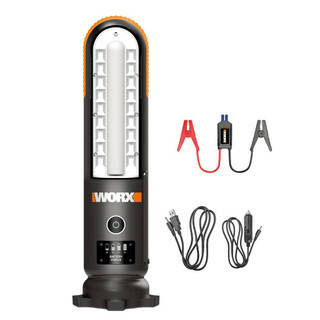
Worx Trade and Job Specific Tools
Worx trade tools cover the awkward, job-specific kit you reach for when standard hand tools will not quite do the job properly on site.
These Worx job specific tools are built for the sort of tasks that slow a job down if you have to improvise, from trimming, gripping and pulling through to specialist fixing and adjustment work. If you want proper Worx specialist tools that earn space in the bag, start with the jobs you do most and buy the bits that save time.
What Are Worx Trade Tools Used For?
- Sorting awkward site tasks where a standard screwdriver, plier or knife is the wrong shape for the job, and you need a purpose-made tool that gets in cleanly without chewing up fittings.
- Working through snagging, fitting and repair jobs where speed matters, because Worx job specific tools are made for repeated little tasks that waste time when you are making do with the wrong bit of kit.
- Handling specialist workshop, van and maintenance work where proper gripping, cutting, trimming or adjusting tools stop damage to finishes and save your knuckles in tight spaces.
- Tackling trade hand tool jobs across site, yard and vehicle work where dedicated kit gives better control, cleaner results and less faff than trying to force a general-purpose tool to do everything.
Choosing the Right Worx Trade Tools
Sort the right one by the task you keep bodging with another tool. If it saves minutes on every job, it is worth having.
1. Match the Tool to the Repeated Job
If you only need it once in a blue moon, do not overload the bag. If the same awkward job turns up every week, buy the dedicated Worx job specific tool and stop fighting with whatever happens to be in your pocket.
2. Think About Access First
If you are working in cabinets, behind units, inside vans or around trims, shape matters as much as strength. Low-profile and narrow-head tools usually earn their keep faster than bigger all-rounders.
3. Do Not Buy General Purpose if the Finish Matters
If you are around visible fittings, clips, covers or finished surfaces, use the proper specialist tool. It is cheaper than replacing damaged trim, marked fixings or scratched customer kit.
4. Build Around the Rest of Your Kit
If you already use Worx Hand Tools, keep your trade tool range in the same place so the bag stays organised. It sounds basic, but lads lose more time hunting for odd tools than they admit.
Who Uses These On Site?
- Fitters and maintenance teams use Worx trade hand tools for the fiddly repair and adjustment work that comes up all day, especially when panels, housings or fixtures leave you no room to swing bigger tools.
- Sparkies and plumbers keep job specific tools close for awkward access, trimming and fastening jobs where a standard hand tool can slip, mark the surface or just take twice as long.
- Mechanics and van workshop users often look at the Worx Automotive Tools range when the work leans more towards clips, trims, fixings and tight engine-bay jobs.
- General builders and site managers reach for Worx specialist tools during snagging and handover, when it is the odd little jobs that hold you up and the right tool gets you off site quicker.
Choose the Right Worx Trade Tools for the Job
Pick the tool by the job that keeps slowing you down.
| Your Job | Category or Type | Key Features |
|---|---|---|
| Snagging and small repair work | Compact specialist hand tools | Easy carry, quick access, better control on little jobs that pile up through the day |
| Trim, panel or clip removal | Job specific trim and removal tools | Shapes that get behind fittings cleanly and help avoid marking finished surfaces |
| Tight access adjustment work | Low profile specialist tools | Narrow heads and compact reach for cabinets, housings, van interiors and awkward corners |
| Workshop and vehicle tasks | Automotive focused tools | Built for clips, trims, fasteners and confined mechanical work where standard hand tools are too clumsy |
| Mixed trade bag for daily site use | General Worx trade tool range | Purpose-made tools for recurring problems, so you spend less time improvising on site |
Common Buying and Usage Mistakes
- Buying another general-purpose hand tool instead of the actual specialist one usually means slower work and damaged fittings. If the same awkward task keeps coming back, get the tool built for it.
- Ignoring access and clearance is a common miss. A tool can be strong enough on paper, but if it will not fit behind trims, inside housings or into corners, it is no use when the job starts.
- Using specialist tools as pry bars, hammers or rough demolition gear shortens their life fast. Use them for the job they are made for and they will stay accurate and usable longer.
- Leaving job specific tools loose in the van is how they get bent, lost or buried under other kit. Keep them together with the rest of your trade hand tools so they are there when the fiddly job turns up.
Specialist Tools vs General Hand Tools vs Automotive Tools
Worx Specialist Tools
These are for repeat problem jobs where shape, reach or control matter more than all-round use. Buy these when the wrong tool keeps slipping, marking surfaces or wasting time.
General Hand Tools
Your everyday kit covers most jobs and belongs in every bag, but it is not always the cleanest answer for trims, clips, tight access or delicate removal work. Good all-round, not always the neatest.
Automotive Tools
These lean towards vehicle interiors, trim fixings and workshop jobs. If your work is mostly vans, fleet or mechanical fitting, go this route over broader site-focused trade tools.
Maintenance and Care
Wipe Down After Dirty Jobs
Dust, adhesive, sealant and grime soon make specialist tools awkward to use properly. Give them a quick clean after site or workshop work so moving parts and edges stay usable.
Store Them Properly
Job specific tools get lost easily because they are smaller and used less often than your main kit. Keep them in a dedicated pouch, case or drawer instead of chucking them loose in the van.
Check for Bent Tips and Worn Edges
If a removal tool, trimming edge or gripping face is bent or rounded off, it will start slipping and damaging parts. Replace worn tools before they cost you time or leave marks on finished work.
Keep Moisture Off Stored Tools
Even decent hand tools do not thank you for sitting damp in the van. Dry them off after wet jobs and keep them out of soaked bags to help prevent rust and stiff movement.
Why Shop for Worx Trade Tools at ITS?
Whether you need everyday site kit, awkward-access specialists or trade hand tools for workshop and fitting jobs, we stock the full Worx trade tool range in one place. You can also shop across Worx Power Tools, Worx Ladders, Access & Benches and Worx Garden & Outdoor. It is all held in our own warehouse, in stock and ready for next day delivery.
Worx Trade Tools FAQs
What trade and job specific tools does Worx make?
Worx makes a spread of trade and job specific tools aimed at the awkward jobs standard hand tools do badly. That can include specialist trimming, gripping, pulling, fastening and removal tools for site, workshop and vehicle work. The exact mix depends on the range, but the point is the same. They are built for repeat tasks where the right shape saves time and prevents damage.
Are Worx trade tools suitable for professional tradespeople?
Yes, if you are buying them for the job they are actually meant to do. These are the sort of tools fitters, maintenance teams and site users keep for recurring awkward tasks, not novelty bits that sit untouched in the van. Treat them like proper working kit and they will earn their keep.
What job specific tools are available from Worx?
The available Worx job specific tools vary by range, but typically cover specialist hand tools for trimming, removal, adjustment and other task-led work. They are the tools you buy when there is a repeated site or workshop problem and your regular hand tools are making a mess of it.
Does Worx make automotive tools?
Yes, Worx does offer automotive-focused tools. If your work is more van, trim, clip and workshop-based, it is worth looking at the automotive side of the range rather than buying broader site tools that are not as well suited to vehicle jobs.
Are these worth buying if I already own a full hand tool bag?
Yes, if there is a task you keep forcing the wrong tool to do. A full bag of general tools is fine until you hit clips, trims, tight fixings or awkward access. That is where specialist tools stop damage and speed the work up.
Do Worx specialist tools make sense for site work or just workshop jobs?
They make sense for both, provided the task suits the tool. On site, they are handy for fitting, snagging and awkward finishing jobs. In the workshop or van bay, they come into their own for more controlled removal, adjustment and repair work.