Safety Boots & Trainers
Safety shoes are for days when boots feel overkill but you still need toe protection, grip, and comfort that lasts from first delivery to final snagging.
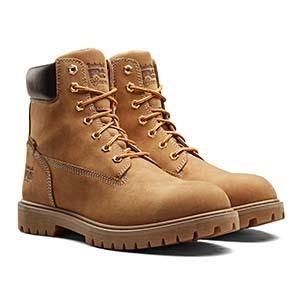
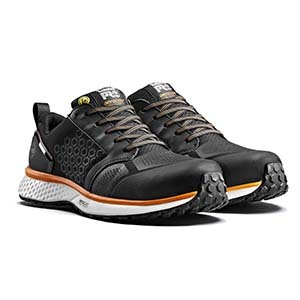
If you're in and out of plots, up steps, across concrete and back in the van all day, decent safety shoes and trainer boots save your feet without dropping site protection. Good pairs give you proper underfoot support, toe caps that do the job, and uppers that do not fall apart after a wet week. If you need more ankle cover, look at Safety Boots. If you want lighter site footwear for fit-outs and indoor work, start with Safety Trainers and pick the pair that suits how you actually work.
What Are Safety Shoes Used For?
- Walking full plots and refurb jobs, safety shoes give you toe protection and grip without the weight of full height boots when you are constantly moving room to room.
- Working on fit-out, snagging, second fix and maintenance, trainer boots keep you lighter on your feet when you are up and down ladders, in and out the van, and covering plenty of ground.
- Loading materials, shifting tools, and dealing with rough concrete or unfinished floors, safety work boots and site shoes help stop sore feet by the end of the shift.
- Using black work boots or safety trainer boots in customer-facing jobs keeps you looking tidy while still meeting health and safety shoes requirements on site.
- Moving between indoor and outdoor areas on mixed jobs, trainer work boots suit trades who need something cooler and more flexible than a full waterproof boot.
Choosing the Right Safety Shoes
Match them to the floor, the weather, and how many hours you are actually on your feet.
1. Shoe, Trainer or Full Boot
If you are mostly indoors, on dry floors, or doing fit-out and maintenance, safety shoes or boot trainers make more sense than a tall boot. If you are outside in mud, water, or uneven ground every day, do not kid yourself that a low shoe will do the same job.
2. Safety Rating Matters
If you are on proper site work, look for the right rated safety work boots or safety trainer boots, not just something that looks the part. S3 is the one many trades go for because it adds water resistance, midsole protection, and grip that stands up better on rough ground.
3. Toe Cap and Midsole Comfort
If you kneel, climb, and walk all day, pay attention to how the toe cap sits and how stiff the sole feels. A pair can tick the safety box and still wreck your feet by lunchtime if the shape is wrong for you.
4. Weather and Wear
Mesh-heavy site trainer boots are cooler in summer and fine for dry indoor jobs. If your week includes wet plots, slab edges, and muddy access routes, go for tougher uppers and better water resistance or you will be drying them by the radiator every night.
Who Uses These on Site?
- Sparkies wear safety shoes for second fix, testing, and commercial maintenance because they are lighter for long walks through schools, offices, and plant rooms.
- Kitchen fitters, joiners, and chippies like trainer safety boots when they are carrying boards upstairs, working indoors all day, and do not want bulky footwear catching them out.
- Warehouse teams, site managers, and snagging crews use site trainers and builder shoes for constant walking, checking work, and quick van-to-plot jobs.
- Plumbers and heating engineers keep safety trainer boots for service calls and occupied properties where comfort matters, but dropped tools and rough subfloors are still a risk.
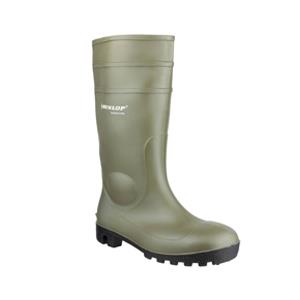
- Groundworkers and brickies usually step up to fuller protection for mud and heavier graft, so if you are in wet conditions or need pull-on footwear, look at Dealer Boots or Wellington Boots.
The Basics: Understanding Safety Shoes
The key thing with safety shoes is not the look. It is the protection level, sole build, and where you will actually wear them. Here is the simple version.
1. Low Cut vs Mid Cut
Low cut safety shoes and safety trainers keep weight down and feel easier for driving, walking plots, and indoor work. Mid cut trainer boots give you a bit more support around the ankle without going to a full site boot.
2. Toe Protection and Midsole Protection
The toe cap protects against dropped tools and materials. The midsole is what stops nails, screws, and sharp site debris coming up through the sole. If you are working on stripped floors, refurbs, or messy first fix areas, both matter.
3. Ratings Tell You the Real Job Fit
The rating is what tells you whether the footwear is suitable for dry indoor work, wetter sites, or rougher ground. It is the quickest way to sort fashion-led trainer safety boots from pairs built for actual trade use.
Footwear Extras That Make the Pair Last
A few simple extras can save sore feet, wet socks, and a pair wearing out before the job is done.
1. Insoles
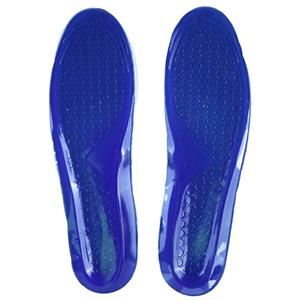
If you are walking concrete all day, the stock footbed is not always enough. A decent insole can take the edge off long shifts and stop that dead-foot feeling on the drive home.
2. Spare Laces
Laces always seem to let go when the pair is still sound. Keep a spare set and you are not bodging a knot-up job halfway through a shift.
3. Waterproofing and Care Products
If your safety shoes or black work boots see wet plots and muddy access routes, treatment products help keep the uppers from drying out, cracking, and soaking through too early.
4. Socks and Care Kits
Good socks and basic cleaning gear make more difference than people admit. If you want the pair to stay comfortable and not stink out the van, start with the right Footwear Accessories.
Choose the Right Safety Shoes for the Job
Pick your footwear by site conditions first, then comfort and style.
| Your Job | Safety Shoes Type | Key Features |
|---|---|---|
| Indoor fit-out and second fix | Safety trainers | Lightweight build, flexible sole, toe protection, all-day comfort on hard floors |
| Mixed indoor and outdoor snagging | Trainer boots | Extra ankle support, better grip, lighter feel than full boots, good van-to-site footwear |
| General building and rough plot work | S3 safety shoes | Midsole protection, water resistance, slip resistance, stronger uppers for daily wear |
| Warehouse, delivery, and facilities work | Low cut safety shoes | Comfort for walking, easier driving, tidy look, protection without full boot bulk |
| Wet ground and heavy outside graft | Full safety boots | More coverage, better weather protection, tougher sole and ankle support |
Common Buying and Usage Mistakes
- Buying by looks alone is the usual mistake. A pair might look like proper site trainers, but if the rating is wrong for your work, you will get less protection and wear them out fast.
- Picking low cut safety shoes for muddy outside jobs usually ends in wet socks and poor support. If the site is rough and the weather is against you, move up to a fuller boot.
- Going too tight because they feel secure in the kitchen is another one. After ten hours on your feet, cramped toes and rubbed heels make a long week even longer, so allow for work socks and swelling.
- Ignoring sole grip and underfoot support costs you later. Hard concrete floors soon show up cheap soles, and that means sore arches, slips, and a pair that is done too soon.
- Never cleaning or drying them properly ruins decent footwear. Let mud, dust, and water sit in the uppers and they crack, stink, and lose shape well before they should.
Safety Shoes vs Safety Trainers vs Safety Boots
Safety Shoes
Best for lighter site work, warehouse jobs, second fix, and trades who spend half the day walking. They are easier for driving and less bulky, but they give less ankle coverage in rough ground.
Safety Trainers
These suit fitters, sparks, and maintenance teams who want the lightest feel possible. They are comfortable and quick on the foot, but some are better for dry indoor jobs than wet external work.
Trainer Boots
Trainer boots sit in the middle. You get a sportier feel with a bit more support round the ankle, which is handy for mixed site work, stairs, and constant movement across uneven floors.
Safety Boots
Still the better shout for brickies, groundworkers, and anyone dealing with mud, rain, and heavier materials. They weigh more, but they take more punishment and protect more of the foot and ankle.
Maintenance and Care
Brush Off Dirt After Shift
Leave dried mud and plaster on any pair long enough and it starts breaking the upper down. A quick brush off at the end of the day keeps safety shoes looking decent and lasting longer.
Dry Them Properly
If they are soaked, let them dry naturally and do not cook them against direct heat. That is how uppers crack and soles start separating.
Check the Sole and Toe Area
The front edge and tread wear first on most work boot trainers. If grip is going or the toe area is splitting, do not wait until they are dangerous before replacing them.
Treat Leather and Water Resistant Uppers
Leather and coated uppers need the odd bit of care if you want them to keep water out. Clean them first, then use the right treatment rather than just hoping they will shrug off another wet week.
Replace Insoles and Laces Before the Whole Pair
Sometimes the footwear is still sound, but the comfort has gone because the insole is flat or the laces are shot. Sorting those small parts can get a bit more life out of a decent pair.
Why Shop for Safety Shoes at ITS?
Whether you need lightweight site shoes, black work boots, safety trainer boots, or full height options from trusted safety brands, we stock the range in depth. That means sizes, fits, styles, and proper site-ready options all in one place, held in our own warehouse and ready for next day delivery.
Safety Shoes FAQs
What's the difference between safety shoes and safety boots?
Safety shoes sit lower round the ankle, so they feel lighter and easier for walking, driving, and indoor work. Safety boots give you more ankle coverage and usually cope better with mud, wet ground, and heavier outside jobs. If you are in and out of plots all day, shoes often make more sense. If you are on rough groundwork or exposed sites, boots are still the safer bet.
What does S3 safety rating mean?
S3 usually means you are getting toe protection, a penetration resistant midsole, slip resistance, and a water resistant upper suitable for tougher site use. In plain terms, it is the rating many trades look for when they want one pair to cover general building work, refurbs, and mixed indoor outdoor jobs.
How do I choose the right size safety footwear?
Buy for real working conditions, not just how they feel for thirty seconds indoors. Try them with your usual work socks, make sure your toes are not hard up against the cap, and allow for your feet swelling through a long shift. If you sit between sizes, the better choice is usually the one that still feels secure without crushing the front of your foot.
Are safety trainers as protective as safety boots?
They can be, if the rating matches the job. A good pair of safety trainers can give proper toe and sole protection for fit-out, warehouse, and general site walking. What they do not usually give you is the same ankle cover and weather protection as a full boot, so they are not always the right tool for muddy or heavy-duty outside work.
Will safety shoes last on rough building sites, or are they only for light work?
Some will cope well, some will not. The tougher pairs with solid toe protection, decent tread, and stronger uppers hold up fine for everyday trade use. Lightweight mesh-heavy pairs are better kept for cleaner, drier work. Check the build, not just the style, because that is what decides whether they survive site abuse.
Are trainer boots any good for all day wear on concrete floors?
Yes, that is exactly where many of them earn their keep. Trainer boots are popular because they cut weight, flex better than old-school site boots, and are easier on your feet when you are walking hard floors all day. Just make sure the insole and sole unit are up to the job, because cheap pairs soon show their weakness on concrete.
Can I use safety shoes year round in the UK?
You can, but be honest about your work. For dry months, indoor jobs, and van-based trade work, they are spot on. In winter, if you are dealing with wet plots, mud, and cold ground, a fuller boot is usually the better call. A lot of trades keep both and swap depending on the week.