Ear Defenders
Ear protection matters when breakers, saws and grinders are running all day. The right set cuts site noise properly and stays comfortable for long shifts.
If you're working around constant cutting, drilling or demo, don't mess about with poor fitting muffs that pinch by lunch. Good ear protection keeps noise down without getting in the way of helmets, specs or comms. From basic ear defender sets to bluetooth ear defenders, in ear ear defenders and ear protection buds, pick the type that suits the job and wear them properly.
What Is Ear Protection Used For?
- Cutting chases in blockwork or concrete is exactly where ear protection earns its keep, taking the edge off repeated high noise so you can stay on the tool longer without wrecking your hearing.
- Working beside breakers, compact plant and generators on refurbs or groundworks calls for ear defenders adults can wear for full shifts, especially when noise is constant rather than just occasional bursts.
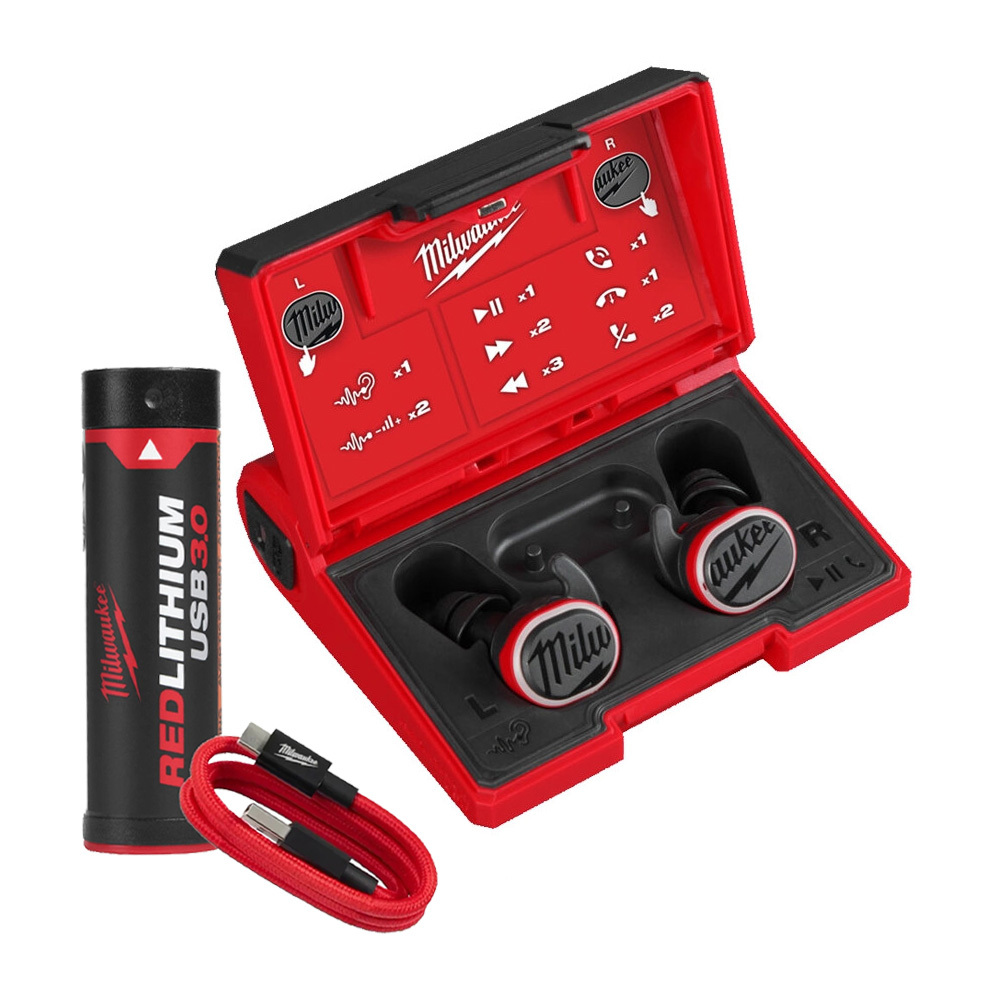
- Fitting out busy commercial jobs is where bluetooth ear defenders can help, giving you hearing protection while still letting you take calls or listen to instructions without pulling kit off every five minutes.
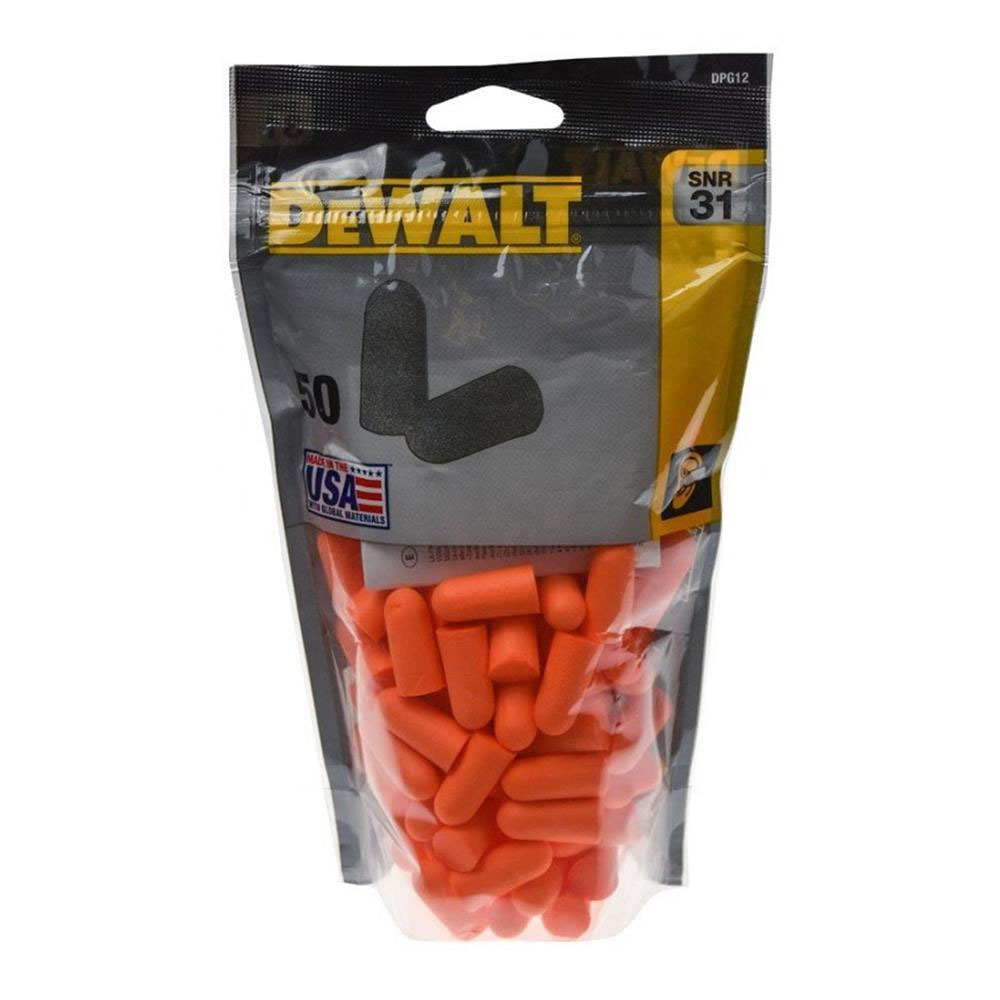
- Climbing ladders, snagging or moving room to room often suits in ear ear defenders or ear defender buds, as they are less bulky than over head sets and easier to wear with other PPE.
- Working with saws, grinders and fixings in tight internal spaces is where ear defenders noise cancelling styles and well sealed cups make a real difference, stopping harsh echoing noise from building up around you.
Choosing the Right Ear Protection
Match it to the noise, the shift length and the rest of the kit on your head. Comfort matters because the best pair is the one you will actually keep on.
1. Over Ear or In Ear
If you are on fixed cutting or demo for hours, over ear sets usually give you better all day sealing and are quicker to throw on. If you are climbing, crawling, snagging or wearing lots of other head kit, in ear ear defenders are often less of a nuisance.
2. Basic Protection or Bluetooth
If you just need straightforward protection round noisy tools, keep it simple with standard defenders. If you are taking calls, listening for instructions or moving between jobs, bluetooth ear defenders or bluetooth ear plugs can save you constantly pulling protection off.
3. Fit With Other PPE
Do not buy ear protection in isolation. If you wear a lid, hood or Safety Glasses, make sure the band, cups or buds still seal properly and do not leave pressure points by midday.
4. Size and Wear Time
If standard cups feel too bulky or loose, look at small ear defenders or ear protection buds that sit better for your head shape. A poor fit lets noise in and usually ends up hanging off the mirror in the van instead of being used.
Who Uses These on Site?
- Sparkies use ear protection when drilling runs, cutting trunking and chasing walls, especially on occupied jobs where they are in and out of noisy areas all day.
- Chippies reach for an ear defender when saw benches, mitre saws and nailers are going non stop, and many keep a lighter pair in the van for quick second fix work.
- Groundworkers and demo crews rely on adult ear defenders around breakers, rollers and plant because long exposure is what does the damage, not just the loudest hit.
- Site managers and maintenance teams often go for bluetooth ear defenders for walk rounds, call handling and quick instructions without dropping hearing protection in active work zones.
- Fitters and engineers working in tighter plant rooms or above ceilings often prefer small ear defenders or ear protection buds because they sit easier with hard hats, hoods and other kit.
The Basics: Understanding Ear Protection
The main thing is simple. Ear protection only works properly if it seals well and suits the noise you are around. Here is the bit worth knowing before you buy.
1. Over Ear Seals the Outside Noise
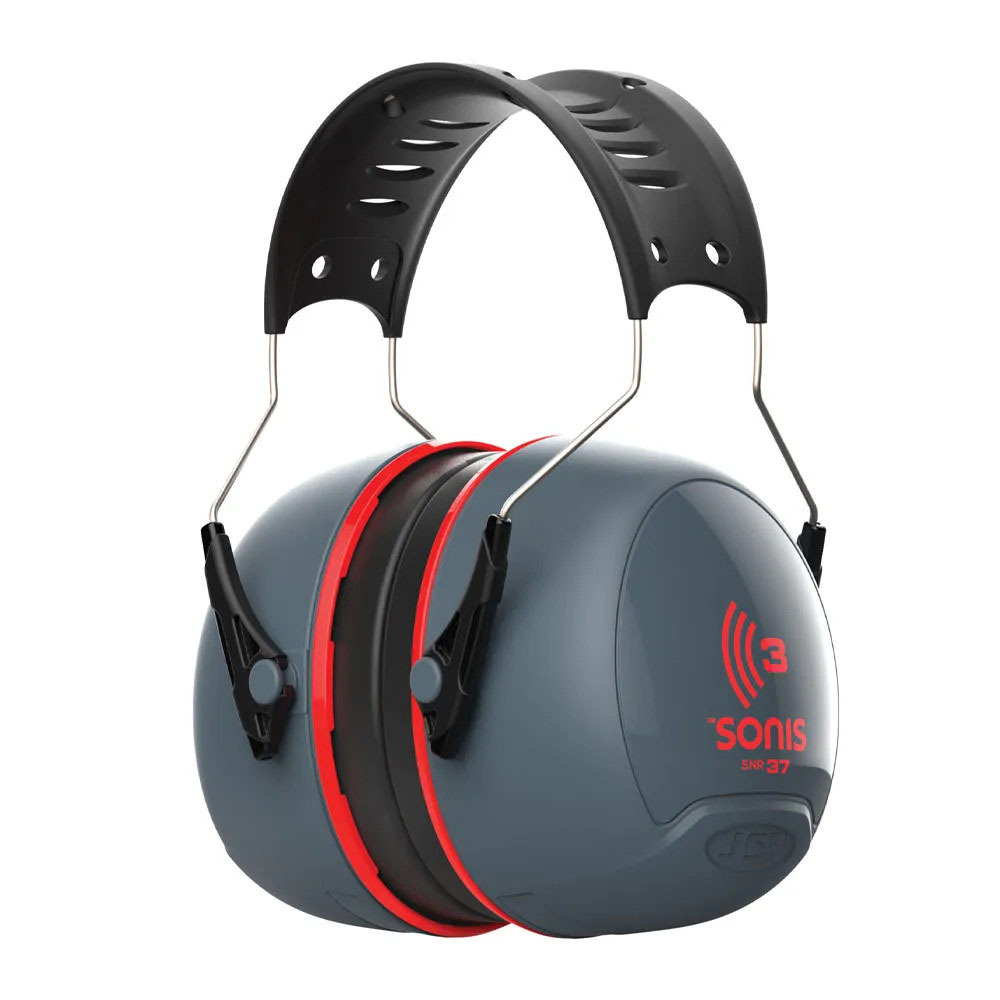
Over ear defenders use padded cups to cover the whole ear and cut site noise before it reaches you. They are a solid choice for saws, grinders, breakers and other jobs where the noise is constant and hard hitting.
2. In Ear Blocks the Ear Canal
In ear ear defenders and ear defender buds sit in the ear itself, so they are easier to wear with helmets, hoods and tighter spaces. They are handy when you are moving about a lot and do not want bulky cups catching on everything.
3. Bluetooth Adds Comms, Not an Excuse to Ignore Fit
Bluetooth ear defenders and bluetooth ear plugs let you handle calls or audio without removing your hearing protection. That is useful on live sites, but only if the fit is still right and the protection level matches the job.
Ear Protection Extras That Make Site Life Easier
A few sensible add ons can make ear protection more comfortable, more usable and less likely to get left in the van.
1. Replacement Ear Tips and Bud Fittings
If your ear protection buds or ear defender buds never quite sit right, spare tips in the correct size fix that fast. They also sort the usual problem of worn or dirty tips ruining the seal and letting noise creep back in.
2. Charging Cables and Cases
For bluetooth ear defenders and bluetooth ear plugs, a proper case and spare charging lead stop the usual headache of flat kit when you are already on site. Worth having if your defenders live in the van between jobs.
3. Hygiene and Cleaning Supplies
Sweat, dust and plaster get everywhere, and dirty seals soon turn uncomfortable. Keeping cups and buds clean makes them nicer to wear for long shifts and helps them keep a decent seal.
Choose the Right Ear Protection for the Job
Use this quick guide to narrow down the right style for how you actually work.
| Your Job | Ear Protection Type | Key Features |
|---|---|---|
| All day cutting, grinding or demo | Over ear defenders | Full cup coverage, comfortable headband, reliable seal for repeated high noise |
| Moving between rooms, ladders and tight spaces | In ear defenders | Low profile fit, less bulk, easier with helmets and hoods |
| Taking calls while staying protected | Bluetooth ear defenders | Wireless audio, hearing protection, fewer interruptions on active jobs |
| Quick maintenance, snagging and van work | Ear protection buds | Easy to carry, quick to fit, handy for short noisy tasks |
| Smaller head fit or lighter wearing comfort | Small ear defenders | Better fit, less movement, improved seal when standard sets feel too big |
Common Buying and Usage Mistakes
- Buying the bulkiest set by default can be a mistake if you are constantly climbing, ducking through hatches or wearing other head kit. If they are awkward, you will stop wearing them, so match the style to the way you work.
- Ignoring fit is what catches most people out. Loose cups, badly fitted buds or the wrong size let noise straight in, so a comfortable proper seal matters more than fancy extras.
- Using bluetooth features as the main buying reason is backwards. The protection still comes first, and if the defenders do not suit saws, grinders or breakers, the call handling does not help much.
- Wearing ear defenders with badly positioned glasses arms can break the seal around the cup. If you also wear eye protection, check the whole setup together rather than one item at a time.
- Leaving dirty buds or sweaty ear pads uncleaned shortens their life and makes them miserable to wear. A quick clean and dry after use keeps them usable and stops them smelling like the bottom of the van.
Over Ear Defenders vs In Ear Defenders vs Bluetooth Ear Defenders
Over Ear Defenders
Best for longer sessions on loud kit like saws, grinders and breakers. They are quick to put on and usually more comfortable for repeated heavy noise, but they can feel bulky with hard hats, hoods and tight working positions.
In Ear Defenders
Better when you need less bulk and more freedom moving round site. They suit fitters, snagging work and confined areas, but only if you get the fit right because a poor seal ruins the protection.
Bluetooth Ear Defenders
A good call for site supervisors, maintenance teams and trades who need audio or calls without removing protection. They cost more, and battery charging becomes part of the routine, but they cut down on constant stop start faff.
Maintenance and Care
Clean Pads and Buds Regularly
Wipe down ear cups, headbands and buds after dusty or sweaty shifts. It keeps them more comfortable and stops grime affecting the seal.
Check the Seal
Flattened cushions, split pads or worn ear tips mean the protection is dropping off. If they no longer sit snug, replace the worn parts or change the set.
Keep Bluetooth Models Charged
If you use bluetooth ear defenders or bluetooth ear plugs, charge them at the end of the shift rather than gambling on the next morning. Flat audio is annoying, but flat kit also tempts people to stop wearing it.
Store Them Properly
Do not just crush them under tools in the van. A case, locker or clean shelf stops cups deforming, bands bending and buds picking up dust and plaster.
Replace When Fit Goes Off
Once the headband loosens, the cushions harden or the buds no longer stay put, stop pretending they are fine. Ear protection that does not fit properly is not doing the job.
Why Shop for Ear Protection at ITS?
Whether you need a basic ear defender for site cutting, bluetooth ear defenders for comms, or compact in ear ear defenders for tighter work, we stock the full range. You will find over ear, in ear and job specific hearing protection alongside the rest of our PPE, all in our own warehouse and ready for next day delivery.
Ear Protection FAQs
What are ear defenders for ADHD kids?
These products are a trade ear protection range built for site noise rather than children's sensory use. For this page, the focus is ear defenders adults use around tools, plant and loud working areas, so always check fit, rating and intended use before buying for anything else.
Are bluetooth ear defenders actually any good on site, or are they just a gimmick?
Yes, they are useful if you genuinely need calls or audio during the day and do not want to keep removing your hearing protection. The honest bit is this. They still need to fit properly and suit the noise level first, otherwise you are just paying extra for a feature while the protection side is compromised.
What is better for site work, over ear defenders or in ear ear defenders?
Depends how you work. Over Ear Defenders are usually the better shout for long spells on loud saws, grinders and breakers because they are quick to fit and give a solid seal. In Ear Defenders make more sense if you are climbing, crawling, working in plant rooms or wearing lots of other head kit.
Do ear protection buds stay in properly when you are moving about?
They do if you get the right fit. That is the key with buds. A well fitted pair will stay put through normal site movement, but the wrong size tips will work loose fast, especially if you are hot, sweaty or constantly bending and lifting.
Will ear defenders work with glasses and other PPE, or do they break the seal?
They can work fine, but this is where people get caught out. Thick glasses arms can lift the ear cup slightly and let noise in. If you wear specs, try a slimmer arm profile and make sure your eye protection and hearing protection work together, not against each other.
Are bluetooth ear plugs the same thing as proper hearing protection?
Not automatically. Some are proper hearing protection with audio added, and some are more about listening than protection. If you are after site use, stick to products built and rated for hearing protection first. If you need audio focused options, look at Bluetooth Earbuds and compare the protection side properly.