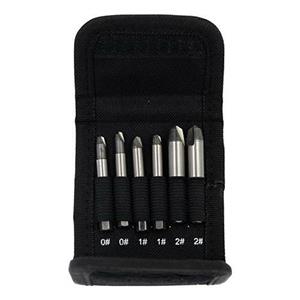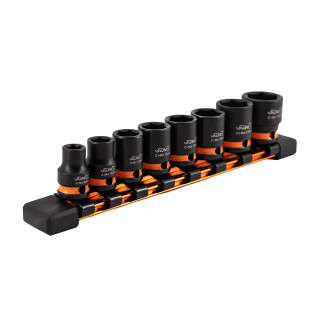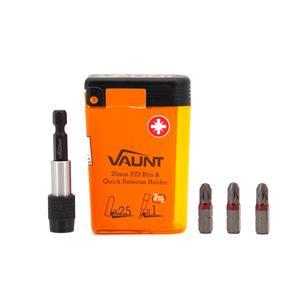
Vaunt Screwdriver Bits & Bit Holders
Vaunt screwdriver bits are for the fixings you hit all day on site, from first fix timber to second fix hardware, without chewing heads or slipping under load.
If you're driving hundreds of screws a week, cheap bits soon round off and start costing you time. This Vaunt range covers the sizes you actually use, including vaunt pz2 bits, vaunt ph2 bits, torx, hex and mixed sets, plus holders that stay put in the chuck. See the full Vaunt range, shop Vaunt Power Tool Accessories, or go straight to Vaunt Screwdriver Bits, Vaunt Drill & Screwdriver Bit Holders and Vaunt Drill & Screwdriver Bit Sets to get the right kit in the bag.
What Are Vaunt Screwdriver Bits Used For?
- Driving long runs of woodscrews into stud, carcassing and sheet material is where vaunt screwdriver bits earn their keep, especially when you need a tip that keeps hold of the fixing instead of camming out every other screw.
- Fitting sockets, switches, ironmongery and general second fix work suits vaunt ph2 bits and vaunt pz2 bits because they cover the head types you reach for most often in site boxes and van stock.
- Installing specialist fixings, hinges, brackets and furniture connectors is easier with vaunt torx bits and vaunt hex bits, giving you the right fit when standard cross head bits are no good for the fixing supplied.
- Working in awkward corners, overhead or inside cabinets is exactly where a vaunt bit holder helps, keeping the bit secure and making bit changes quicker when you're swapping between fixings all day.
Choosing the Right Vaunt Screwdriver Bits
Sorting the right bits is simple. Match the tip to the fixing you actually drive all week, not the bit you happen to have rolling about in the box.
1. Pick the Head Type You Use Most
If most of your work is timber screws and general site fixings, vaunt pz2 bits will cover a lot of ground. If you are on electrical accessories, hardware or mixed install work, keep vaunt ph2 bits as well because forcing the wrong cross head into the wrong screw just wrecks both.
2. Buy Mixed Sets for Van Stock
If you jump between trades or snagging jobs, a vaunt mixed bit set makes more sense than buying singles blind. You get torx, hex and cross head sizes together, which saves stopping work when the fixing in the packet is not what you expected.
3. Do Not Ignore the Bit Holder
If you swap bits all day, add a vaunt bit holder straight away. It speeds up changes, keeps the bit seated properly and is far less hassle than dragging stubborn bits out the chuck with cold hands on site.
4. Keep Spare Common Sizes
If you know you burn through PZ2 or PH2 on repeat work, buy extras of those instead of relying on one set. The best setup on site is usually a bit set for coverage and loose replacements for the sizes that take all the punishment.
Who Uses These on Site?
- Chippies use vaunt bits for first fix timber, flooring and sheet work because they get through boxes of screws fast and need bit tips that do not mash the heads halfway through the day.
- Sparkies keep vaunt pz2 bits and ph2 bits in the pouch for back boxes, accessories and containment, where a clean fit saves slipping off small fixings in finished areas.
- Kitchen fitters and joiners swear by vaunt torx bits and a vaunt bit holder for cabinet assembly, hinge work and awkward screws buried inside units where access is tight.
- General builders and maintenance teams usually go for a vaunt mixed bit set so they have the common profiles in one case instead of hunting round the van for loose bits.
Accessories That Make Vaunt Screwdriver Bits More Useful
A couple of simple add-ons will save faff, speed up changes and stop work getting held up by a stuck or dropped bit.
1. Bit Holders
A proper holder is worth having if you are changing between head types all day. It saves digging bits out the chuck, gives you better reach into recesses and keeps the bit more secure when you are working overhead or inside cupboards.
2. Mixed Bit Sets
A mixed set stops the usual nonsense of opening a fixing box and finding a head you did not bring a bit for. Keep one in the van and you have PZ, PH, torx and hex sizes covered for day to day site work.
3. Spare Common Bits
If you go through PZ2 and PH2 more than anything else, carry replacements. That way you are not trying to finish clean second fix work with a worn bit that slips and marks up the screw head.
Choose the Right Vaunt Screwdriver Bits for the Job
Use this quick guide to match the bit type to the fixing in front of you.
| Your Job | Bit Type | Key Features |
|---|---|---|
| First fix timber and general woodscrews | Vaunt PZ2 bits | Fits the screw type seen on a lot of site fixings and gives solid engagement for repeated driving. |
| Electrical accessories and mixed hardware fitting | Vaunt PH2 bits | Useful for common cross head fixings where a neat fit matters and slipping can mark finished surfaces. |
| Cabinet work, brackets and specialist fixings | Vaunt torx bits | Better fit on torx heads and less chance of chewing out the fixing under higher torque. |
| Furniture connectors and machine screws | Vaunt hex bits | Suited to internal hex fixings where cross head bits are no use and access is often tight. |
| Snagging, maintenance and mixed site work | Vaunt mixed bit set | Keeps the common sizes together so you can swap fast and cover unknown fixings without going back to the van. |
Common Buying and Usage Mistakes
- Buying one bit type for every job is the usual mistake. PZ, PH, torx and hex are not interchangeable, and using the wrong one rounds screw heads and wastes time.
- Running worn bits for too long is false economy. Once the tip starts slipping, replace it before it damages fixings or marks the finished job.
- Ignoring the holder is another one. A decent vaunt bit holder makes changes quicker and helps when you are reaching into awkward spots where a loose bit is a pain.
- Buying only a mixed set with no spare common sizes catches people out. Keep extra PZ2 or PH2 bits if those are what you use daily, otherwise the set gets stripped of its most useful pieces first.
PZ2 Bits vs PH2 Bits vs Torx Bits
PZ2 Bits
These are a site staple for general woodscrews and first fix jobs. If most of your day is stud, battens, flooring or carcassing, PZ2 is usually the one you will wear out first.
PH2 Bits
PH2 suits a lot of accessory screws, hardware and mixed fixings. It is the better choice where the screw is genuinely Phillips, but it is not a substitute for PZ2 no matter how close it looks in the hand.
Torx Bits
Torx bits are the pick for higher grip and less cam out on modern fixings, brackets and cabinet screws. If you do a lot of install work with supplied specialist fixings, torx soon becomes essential.
Maintenance and Care
Clean Off Dust and Swarf
Give bits a quick wipe after use, especially after dusty first fix or metal fixing work. Built up grime stops the tip seating properly and can make a good bit feel worn before it actually is.
Replace Worn Tips Early
Do not wait until a bit is completely gone. As soon as you feel regular slip or see the tip rounding off, bin it and fit a fresh one before it starts ruining screw heads.
Store Sets Properly
Keep bits in their case or a dedicated organiser instead of loose in the van. It stops you losing the sizes you need most and makes it obvious when your stock of common bits is running low.
Check the Holder Fit
If you use a bit holder every day, make sure it is still gripping properly and not clogged with debris. A sloppy holder causes wobble, dropped bits and poor drive on awkward screws.
Why Shop for Vaunt Screwdriver Bits at ITS?
Whether you need single vaunt screwdriver bits, a vaunt bit holder, or a full vaunt mixed bit set with your common PZ, PH, torx and hex sizes covered, we stock the proper range. It is all in our own warehouse, ready for next day delivery, so you can top up the bits you actually use without holding up the job.
Vaunt Screwdriver Bits FAQs
What screwdriver bits does Vaunt make?
Vaunt makes the bit types most trades actually use, including vaunt pz2 bits, vaunt ph2 bits, vaunt torx bits, vaunt hex bits, single bits, holders and mixed sets. It is the sort of range aimed at everyday fixing work rather than oddball sizes you never touch.
Are Vaunt screwdriver bits compatible with all 1/4 inch hex bit holders?
Yes, if the bit is a standard quarter inch hex shank it will fit standard quarter inch hex holders and drill chucks that take that format. That said, always check the holder is gripping properly, especially if it is old, packed with debris or worn from heavy use.
What bit types does Vaunt make?
Vaunt covers the common profiles you need on site, including Pozidriv, Phillips, Torx and Hex. That gives you options for timber screws, electrical accessories, cabinet fittings, brackets and plenty of the specialist fixings that come supplied with modern hardware.
Are Vaunt bit sets good value for money?
Yes, especially if you do mixed work or want to keep the van covered for common fixings. A set is usually the better buy than scrambling for singles later, and it gives you the sizes you need together in one place instead of spread across pockets, tubs and the bottom of the case.
Will these bits stand up to daily site use?
They are built for regular trade use, but be realistic. If you hammer the wrong bit into the wrong screw head or keep using it once worn, it will fail quicker. Use the correct profile, keep spares of the sizes you burn through most, and they will last properly.
Should I buy singles or a mixed bit set?
If you mainly do one type of fixing all day, singles or small packs of that bit make sense. If you jump between snagging, install work and general building, a mixed bit set is the safer shout because you are less likely to get caught short on an unexpected fixing.