



Toolboxes With Drawers

Toolboxes with drawers keep your hand tools and fixings sorted, so you are not tipping a box out on the floor to find one bit.

On busy refurbs and service calls, drawer toolboxes save time because everything has a place and you can grab it one-handed. From portable, stackable systems to rolling toolboxes with drawers for the workshop, pick the right size and locking setup and your kit stays organised, protected, and ready to go.

What Are Toolboxes With Drawers Used For?

  • Working out of a van on reactive jobs, where tool storage drawers let you pull the exact driver, tester, or fitting without unloading half your kit onto the pavement.
  • Setting up a workshop bench, where workshop toolboxes with drawers keep sockets, spanners, consumables, and small parts separated so you are not mixing sharp bits with delicate tools.
  • Moving between floors on fit-out work, where portable toolboxes with drawers and stackable toolboxes with drawers keep your most-used gear together and stop it getting buried at the bottom.
  • Keeping mechanics and engineers organised, where mechanics toolboxes with drawers and engineers toolboxes with drawers make it easy to lay tools out by job and spot what is missing before you leave site.
  • Securing tools on shared sites, where lockable toolboxes with drawers keep expensive kit shut away during breaks and stop casual tampering when the area is busy.

Choosing the Right Toolboxes With Drawers

Sort the right one by matching how you work, not how it looks in the van.

1. Portable stackable vs rolling workshop

If you are in and out of properties all day, go for portable, modular toolboxes with drawers you can lift and stack. If you are set up in a garage or workshop, rolling toolboxes with drawers are the sensible choice because you can keep more kit in one place and wheel it to the job.

2. Drawer depth and layout

If you are mainly on hand tools and fixings, shallow tool storage drawers stop everything piling up and make it easy to see what you have got. If you carry bulkier kit like larger spanners, hole saws, or testing gear, make sure you have at least one deeper drawer so you are not forcing it shut and wrecking the runners.

3. Locking and security

If your box lives in the van or on shared sites, prioritise lockable toolboxes with drawers so you can shut it down at breaks and at the end of shift. If it never leaves your workshop, a simpler latch is fine, but it still wants to stay closed when you roll it over rough concrete.

4. Material and abuse level

If you are hard on kit or it is living on site, metal toolboxes with drawers, especially steel toolboxes with drawers, take knocks better and keep their shape. If weight matters for carrying up stairs, a lighter modular system can be the better day-to-day choice, as long as the drawers do not flex when loaded.

Toolboxes With Drawers FAQs

What are toolboxes with drawers used for?

They are used for organised tool storage where you need fast access to hand tools, fixings, and small parts without emptying a box onto the floor. They are especially handy for van work, maintenance call-outs, and workshop benches where you want everything visible and separated.

Are toolboxes with drawers better than standard toolboxes?

For day-to-day trade use, yes, if you carry lots of small tools and consumables. A standard open toolbox is fine for bigger items, but drawers stop kit getting buried and save time when you are grabbing parts repeatedly through the day.

Are toolboxes with drawers portable?

Some are, some are not. Portable toolboxes with drawers are designed to be lifted and stacked, while rolling toolboxes with drawers are meant to be wheeled around a workshop or site and are heavier once loaded.

Do toolboxes with drawers lock?

Many do, but not all, so check the spec. If your box lives in a van or on a shared site, a proper lockable toolbox with drawers is worth it, because it stops casual access and keeps drawers shut when you are moving it.

What materials are toolboxes with drawers made from?

You will see everything from steel toolboxes with drawers for workshop and heavy use, through to mixed plastic and metal modular systems aimed at portability. If it is getting knocked about daily, steel and reinforced corners tend to hold up better long term.

Do drawer toolboxes stop tools moving in transit?

They help, but they are not magic. A decent drawer latch keeps drawers closed, but tools can still rattle inside unless you use liners, dividers, or foam. If you are carrying sockets and bits, lining the drawers makes a big difference to noise and wear.

Who Are Toolboxes With Drawers For on Site?

    • Sparks and plumbers doing fault finding and installs, because drawer toolboxes keep testers, terminals, olives, and hand tools separated and quick to grab.
    • Chippies and kitchen fitters, because multi drawer toolboxes stop fixings, hinges, and small hardware getting lost and keep the van load tidy.
    • Mechanics, engineers, and maintenance teams, because tool cabinets with drawers and mobile toolboxes with drawers make it easier to run a repeatable setup and spot missing tools fast.
    • Site supervisors and facilities teams, because a lockable, rolling toolbox with drawers keeps communal kit controlled and ready for snagging and call-outs.

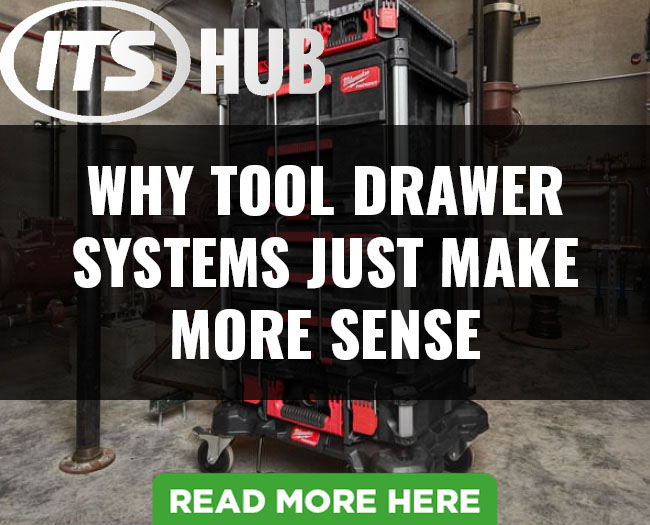
Why Tool Drawer Systems Just Make More Sense

Tool drawer systems explained

If you are still on open tubs and mixed boxes, our guide explains why drawer tool systems save time, protect tools, and make van and workshop setups far easier to live with day to day.

It breaks down drawer layouts, modular systems, and real trade use cases, so you can decide whether a drawer toolbox is the right move for how you actually work.

Read the full guide on tool drawer systems

The Basics: Understanding Drawer Toolboxes

Drawer toolboxes are about access and control. Instead of digging down into one big tub, you pull out the exact drawer you need and keep the rest shut and protected.

1. Drawers vs open tubs

A standard toolbox is fine for chuck-in gear, but drawers stop small tools and fixings migrating to the bottom. On site, that means less time hunting and less chance of damaging delicate kit like testers or measuring tools.

2. Stackable and modular systems

Stackable toolboxes with drawers let you build a loadout by trade, with drawers for consumables and a separate box for larger tools. If you are already on a system, it is worth sticking with it so everything locks together properly, like PACKOUT, DeWalt TOUGHSYSTEM 2.0, DeWalt TSTAK, or Makita MakPac.

3. Transit control

A good drawer toolbox stays shut and keeps tools from sliding about when the van hits potholes. For best results, use drawer liners or foam so sockets and bits do not rattle themselves to death on the way to the job.

Accessories That Make Drawer Toolboxes Work Properly

A couple of simple add-ons stop rattles, lost bits, and jammed drawers when the box is loaded and moving every day.

1. Drawer liners and non slip mats

These stop sockets, spanners, and small tools skating about in transit, which is what rounds edges and turns a tidy drawer into a noisy mess after one week in the van.

2. Foam tool control inserts

If you are doing maintenance or engineering work, foam inserts make missing tools obvious at a glance, so you are not leaving kit behind in a plant room or on a customer's floor.

3. Dividers and small parts organisers

Dividers keep screws, terminals, washers, and fixings separated, which saves you tipping a drawer out to find one specific size when you are mid-fix.

Shop Toolboxes With Drawers at ITS

Whether you need a compact portable drawer toolbox for the van or a heavy duty rolling toolbox with drawers for the workshop, we stock the full range of sizes, layouts, and systems. It is all held in our own warehouse, in stock and ready for next day delivery so you can get organised before the next job.

Read more

Toolboxes With Drawers

Toolboxes with drawers keep your hand tools and fixings sorted, so you are not tipping a box out on the floor to find one bit.

On busy refurbs and service calls, drawer toolboxes save time because everything has a place and you can grab it one-handed. From portable, stackable systems to rolling toolboxes with drawers for the workshop, pick the right size and locking setup and your kit stays organised, protected, and ready to go.

What Are Toolboxes With Drawers Used For?

  • Working out of a van on reactive jobs, where tool storage drawers let you pull the exact driver, tester, or fitting without unloading half your kit onto the pavement.
  • Setting up a workshop bench, where workshop toolboxes with drawers keep sockets, spanners, consumables, and small parts separated so you are not mixing sharp bits with delicate tools.
  • Moving between floors on fit-out work, where portable toolboxes with drawers and stackable toolboxes with drawers keep your most-used gear together and stop it getting buried at the bottom.
  • Keeping mechanics and engineers organised, where mechanics toolboxes with drawers and engineers toolboxes with drawers make it easy to lay tools out by job and spot what is missing before you leave site.
  • Securing tools on shared sites, where lockable toolboxes with drawers keep expensive kit shut away during breaks and stop casual tampering when the area is busy.

Choosing the Right Toolboxes With Drawers

Sort the right one by matching how you work, not how it looks in the van.

1. Portable stackable vs rolling workshop

If you are in and out of properties all day, go for portable, modular toolboxes with drawers you can lift and stack. If you are set up in a garage or workshop, rolling toolboxes with drawers are the sensible choice because you can keep more kit in one place and wheel it to the job.

2. Drawer depth and layout

If you are mainly on hand tools and fixings, shallow tool storage drawers stop everything piling up and make it easy to see what you have got. If you carry bulkier kit like larger spanners, hole saws, or testing gear, make sure you have at least one deeper drawer so you are not forcing it shut and wrecking the runners.

3. Locking and security

If your box lives in the van or on shared sites, prioritise lockable toolboxes with drawers so you can shut it down at breaks and at the end of shift. If it never leaves your workshop, a simpler latch is fine, but it still wants to stay closed when you roll it over rough concrete.

4. Material and abuse level

If you are hard on kit or it is living on site, metal toolboxes with drawers, especially steel toolboxes with drawers, take knocks better and keep their shape. If weight matters for carrying up stairs, a lighter modular system can be the better day-to-day choice, as long as the drawers do not flex when loaded.

Toolboxes With Drawers FAQs

What are toolboxes with drawers used for?

They are used for organised tool storage where you need fast access to hand tools, fixings, and small parts without emptying a box onto the floor. They are especially handy for van work, maintenance call-outs, and workshop benches where you want everything visible and separated.

Are toolboxes with drawers better than standard toolboxes?

For day-to-day trade use, yes, if you carry lots of small tools and consumables. A standard open toolbox is fine for bigger items, but drawers stop kit getting buried and save time when you are grabbing parts repeatedly through the day.

Are toolboxes with drawers portable?

Some are, some are not. Portable toolboxes with drawers are designed to be lifted and stacked, while rolling toolboxes with drawers are meant to be wheeled around a workshop or site and are heavier once loaded.

Do toolboxes with drawers lock?

Many do, but not all, so check the spec. If your box lives in a van or on a shared site, a proper lockable toolbox with drawers is worth it, because it stops casual access and keeps drawers shut when you are moving it.

What materials are toolboxes with drawers made from?

You will see everything from steel toolboxes with drawers for workshop and heavy use, through to mixed plastic and metal modular systems aimed at portability. If it is getting knocked about daily, steel and reinforced corners tend to hold up better long term.

Do drawer toolboxes stop tools moving in transit?

They help, but they are not magic. A decent drawer latch keeps drawers closed, but tools can still rattle inside unless you use liners, dividers, or foam. If you are carrying sockets and bits, lining the drawers makes a big difference to noise and wear.

Who Are Toolboxes With Drawers For on Site?

    • Sparks and plumbers doing fault finding and installs, because drawer toolboxes keep testers, terminals, olives, and hand tools separated and quick to grab.
    • Chippies and kitchen fitters, because multi drawer toolboxes stop fixings, hinges, and small hardware getting lost and keep the van load tidy.
    • Mechanics, engineers, and maintenance teams, because tool cabinets with drawers and mobile toolboxes with drawers make it easier to run a repeatable setup and spot missing tools fast.
    • Site supervisors and facilities teams, because a lockable, rolling toolbox with drawers keeps communal kit controlled and ready for snagging and call-outs.

Why Tool Drawer Systems Just Make More Sense

Tool drawer systems explained

If you are still on open tubs and mixed boxes, our guide explains why drawer tool systems save time, protect tools, and make van and workshop setups far easier to live with day to day.

It breaks down drawer layouts, modular systems, and real trade use cases, so you can decide whether a drawer toolbox is the right move for how you actually work.

Read the full guide on tool drawer systems

The Basics: Understanding Drawer Toolboxes

Drawer toolboxes are about access and control. Instead of digging down into one big tub, you pull out the exact drawer you need and keep the rest shut and protected.

1. Drawers vs open tubs

A standard toolbox is fine for chuck-in gear, but drawers stop small tools and fixings migrating to the bottom. On site, that means less time hunting and less chance of damaging delicate kit like testers or measuring tools.

2. Stackable and modular systems

Stackable toolboxes with drawers let you build a loadout by trade, with drawers for consumables and a separate box for larger tools. If you are already on a system, it is worth sticking with it so everything locks together properly, like PACKOUT, DeWalt TOUGHSYSTEM 2.0, DeWalt TSTAK, or Makita MakPac.

3. Transit control

A good drawer toolbox stays shut and keeps tools from sliding about when the van hits potholes. For best results, use drawer liners or foam so sockets and bits do not rattle themselves to death on the way to the job.

Accessories That Make Drawer Toolboxes Work Properly

A couple of simple add-ons stop rattles, lost bits, and jammed drawers when the box is loaded and moving every day.

1. Drawer liners and non slip mats

These stop sockets, spanners, and small tools skating about in transit, which is what rounds edges and turns a tidy drawer into a noisy mess after one week in the van.

2. Foam tool control inserts

If you are doing maintenance or engineering work, foam inserts make missing tools obvious at a glance, so you are not leaving kit behind in a plant room or on a customer's floor.

3. Dividers and small parts organisers

Dividers keep screws, terminals, washers, and fixings separated, which saves you tipping a drawer out to find one specific size when you are mid-fix.

Shop Toolboxes With Drawers at ITS

Whether you need a compact portable drawer toolbox for the van or a heavy duty rolling toolbox with drawers for the workshop, we stock the full range of sizes, layouts, and systems. It is all held in our own warehouse, in stock and ready for next day delivery so you can get organised before the next job.

ITS - All The Tools You Need Click and Collect Icon
Store Opening Hours
Opening times