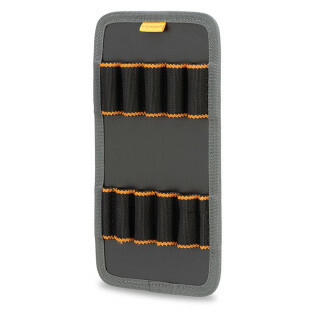
Tool Bags & Totes
Tool bags keep your daily kit together and easy to grab, whether you're hopping between rooms or dragging gear across a muddy site.
When you're sick of hunting for a driver bit or turning up with loose tools rolling round the van, proper tool bags and tool totes sort it. Go hard base for wet slabs and rough ground, or open tool totes when you need fast access and loads of pockets.
What Jobs Are Tool Bags and Tool Totes Best At?
- Carrying a full day's hand tools and fixings into refurbs and second fix without doing three trips back to the van.
- Working out of an open tool tote on first fix so your testers, snips, tape, and consumables are always visible and not buried at the bottom.
- Keeping wet and dusty kit off the floor with reinforced, hard base tool bags that handle site water, grit, and rough concrete.
- Organising small parts properly using tool bags with pockets and compartments, so you are not tipping everything out just to find a connector or drill bit.
- Moving tools safely around workshops and site cabins with tool carry bags that zip shut, keeping sharp edges and loose blades contained in transit.
Choosing the Right Tool Bags
Match the bag to how you actually work day to day, because the wrong style just turns into a black hole of lost bits.
1. Tool bag or open tool tote
If you are in and out doing first fix or fault finding, an open tool tote keeps everything visible and quick to grab. If you are travelling between jobs or throwing it in the van with other gear, go for a zipped tool storage bag so nothing spills or gets full of dust.
2. Hard base vs soft base
If you are working on concrete, outside, or anywhere damp, a hard base tool bag is worth it because it stands up, wipes clean, and does not drink water. Soft tool bags are lighter and fine for indoor work, but they get scruffy fast on rough ground.
3. Pockets and compartments that suit your kit
If you carry lots of small hand tools, pick tool bags with pockets so each tool has a home and you can spot what is missing at a glance. If you carry bulky items like grips, levels, or a combi drill, make sure the main compartment is genuinely usable and not eaten up by dividers.
4. Carry options and weight
If you are walking distance on big sites, tool totes with shoulder straps save your hands and stop you swapping sides every five minutes. If it is mainly van to room, strong handles and a balanced shape matter more than extra straps you will never use.
Tool Bags and Tool Tote FAQs
Are open tool totes any good, or do you just end up losing everything?
They are spot on if you are doing active work and need quick access, because you can see every tool and pocket at a glance. They are not ideal for throwing in a van with rubble and offcuts unless you keep small parts in pouches or organiser cases.
Do I actually need a hard base tool bag?
If your bag lives on concrete, outside, or on wet floors, yes, it is worth it because it stands up, wipes clean, and does not soak through. If you are mostly indoors and carrying lighter kit, a soft base fabric tool bag is fine and usually lighter to lug around.
Are waterproof tool bags fully waterproof or just water resistant?
Most are water resistant rather than fully waterproof, meaning they will handle rain, splashes, and wet ground, but they are not a dry bag you can leave in a puddle all day. If you are working in constant weather, prioritise a hard base and decent zip closures, and keep sensitive kit in inner pouches.
How do I stop a tool bag turning into a mess after a week?
Pick tool bags with pockets and compartments that match what you carry, then stick to a layout so every tool has a home. Keep consumables in organiser pouches or a parts case, and do a quick end of day reset so you are not hunting for basics on Monday morning.
What is better for daily carry, handles or a shoulder strap?
For short moves, strong handles are simplest and usually more balanced. If you are walking across big sites or carrying other gear, tool totes with shoulder straps take the strain off your hands and let you keep a free hand for doors, ladders, or materials.
Who Are These Tool Bags For on Site?
- Electricians who need tool organiser bags for testers, hand tools, and fixings, with pockets that stop everything clattering together.
- Plumbers who want tradesmen tool bags that take heavy fittings and grips, plus a hard base that will not soak up when you set it down on wet floors.
- Builders and general maintenance teams who need heavy duty tool bags for daily knockabout use, from snagging to punch lists and small installs.
- Workshop and van based teams sorting tool bag and tote storage so the right kit is always packed and easy to find at the start of the day.
How Tool Bags and Tool Totes Work for You
It is not just a bag, it is portable tool storage that decides how fast you can work and how much kit turns up in one piece.
1. Open access vs closed protection
Open tool totes are built for speed, so you can grab tools one handed while you are up steps or moving room to room. Closed tool storage bags protect your gear from rain, plaster dust, and van mess, and they stop loose fixings ending up everywhere.
2. Structure and base strength
Reinforced tool bags and hard base designs stop the bag collapsing, so it stays upright when you set it down and tools are not fighting for space. That also helps when you are packing it properly for tool transport solutions in the van.
3. Organisation that prevents lost time
Tool bags with compartments keep sharp tools separated, protect delicate testers, and make it obvious when something is missing before you leave site. That is the difference between a smooth day and a wasted hour hunting for a bit you already own.
Accessories That Make Tool Bag and Tote Storage Work Harder
A couple of simple add ons stop your tool carry bags turning into a mess and make site moves quicker.
1. Tool organisers and pouches
Drop in a organiser pouch for fixings, bits, and small parts so you are not tipping the whole bag out on a client's floor just to find one connector.
2. Parts boxes and organiser cases
Keep screws, clips, terminals, and consumables in a proper organiser case and carry it alongside your bag, because loose tubs and packets always split in the van at the worst time.
3. Tool lanyards and tether points
If you are working off ladders, platforms, or MEWPs, a lanyard setup stops hand tools getting dropped and saves you replacing kit that should have lasted years.
Why Shop for Tool Bags at ITS?
Whether you need open tool totes, heavy duty tool bags, or tool organiser bags with proper pockets and compartments, we stock the full range for real trade use. It is all held in our own warehouse, in stock and ready for next day delivery so you can get sorted before the next shift.