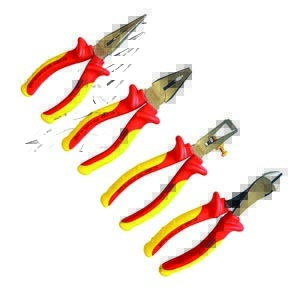
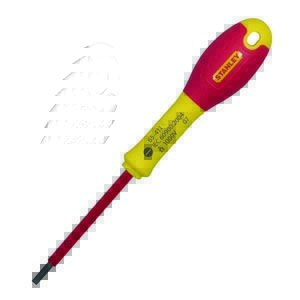
Stanley VDE
Stanley VDE tools are built for live electrical work, giving you insulated grip and proper 1000V protection for testing, termination, and panel jobs.
If you're working boards, consumer units, control panels or fault finding, this is the kit you don't cut corners on. Stanley insulated tools are made for sparks who need dependable hand tools that cope with daily van life and site abuse. From Stanley VDE screwdrivers for terminals to Stanley VDE pliers for cutting and gripping, the Stanley VDE range covers the core bits most electricians reach for first. Pick the right Stanley 1000V tools for the work and get your kit sorted.
What Are Stanley VDE Tools Used For?
- Terminating conductors in consumer units, distribution boards, and control gear is where Stanley VDE screwdrivers earn their keep, giving you insulated protection where exposed live parts may still be present.
- Cutting, stripping, and gripping cable tails during first fix and second fix is easier with Stanley VDE pliers, especially when you are working in tight trunking, boxes, and overcrowded enclosures.
- Fault finding and adjustment work on maintenance callouts often needs Stanley insulated tools because you are not always dealing with dead, wide-open, easy-to-access kit.
- Working inside plant rooms, risers, and service cupboards calls for vde tools stanley users can trust, as these jobs usually mean awkward access, poor light, and no room for slips.
- Keeping a Stanley VDE set in the van covers the day-to-day electrical jobs where standard hand tools are not the right choice and insulated protection is part of working safely.
Choosing the Right Stanley VDE Tools
Sorting the right Stanley VDE tools is simple: buy for the jobs you actually do, not for a fancy-looking pouch that lives in the van.
1. Screwdrivers First
If you are mostly on sockets, accessories, boards, and general install work, start with Stanley VDE screwdrivers in the terminal sizes you use every day. A good insulated screwdriver matters more than a huge set full of duplicates.
2. Match the Pliers to the Cable Work
If you are cutting twins, dressing conductors, and working enclosures all week, Stanley VDE pliers are not optional. Go for the patterns you genuinely use, such as combination, long nose, or side cutters, rather than buying every shape going.
3. Single Tools vs a Set
If your kit is already half sorted, buy individual replacements and fill the gaps properly. If you are starting out, a Stanley VDE set is the sensible route because it gets the main Stanley electricians tools in one hit.
4. Handle Access Matters
If you are often inside packed boards or deep terminals, check shaft length, tip type, and handle bulk before you buy. Some jobs need reach and control more than a chunky handle that only feels good on the shelf.
Who Uses These on Site?
- Electricians use Stanley VDE tools day in, day out for terminating, tightening, cutting, and testing around boards, sockets, switches, and containment where insulated kit is the proper call.
- Maintenance engineers keep Stanley insulated tools close for fault finding on plant, controls, and building services, especially when shutting everything down is not always practical.
- Panel builders and industrial fitters rely on Stanley VDE screwdrivers and pliers for neat work inside crowded panels where control wiring, terminals, and small fixings need accuracy as much as protection.
- Apprentice sparks are well served by a Stanley VDE set because it covers the core hand tools they will use constantly without filling the bag with bits they will never touch.
The Basics: Understanding Stanley VDE Tools
With VDE hand tools, the important bit is not just comfort. It is the insulation standard and the way the tool is built to help protect you when working near live electrical parts. Here is the simple version.
1. VDE Means Tested Insulation
Stanley VDE tools are made and tested for electrical work, with insulation designed for use up to 1000V. On site, that means you are using tools intended for proper electrical tasks, not just ordinary hand tools with a soft grip.
2. The Insulation Covers the Working Risk
The insulated coating helps reduce the chance of contact through the tool when you are tightening terminals, trimming conductors, or working around live components. It does not replace safe isolation, but it is the right level of protection for the job.
3. Damage Means Doubt
If the insulation is nicked, split, burnt, or badly worn, the tool needs pulling from use. The whole point of Stanley 1000V tools is that the insulation is intact, clean, and doing its job every time you pick them up.
Useful Additions for Stanley VDE Tools
A few sensible extras make Stanley insulated tools easier to carry, check, and keep in working order.
1. Tool Pouches and Cases
A proper pouch or case stops your Stanley VDE screwdrivers and pliers getting buried under mixed kit where handles get cut up, shafts get knocked about, and you waste time hunting for the right driver.
2. Voltage Test Equipment
Test gear is the obvious partner to a Stanley VDE range because insulated tools are only one part of safe electrical work. You still need to prove dead, check circuits, and avoid guessing your way into a nasty surprise.
3. Replacement Tool Storage Trays
If you run a Stanley VDE set, good storage keeps the insulation from rubbing against loose metal tools in the bag. It also makes missing items obvious before you leave site or shut the van.
Choose the Right Stanley VDE Tools for the Job
Use this as a quick guide to the Stanley VDE range most sparks actually need.
| Your Job | Category or Type | Key Features |
|---|---|---|
| Terminating sockets, switches, and MCBs | Stanley VDE screwdrivers | Insulated shafts, terminal-friendly tip sizes, and grip that stays controlled in tight boxes. |
| Cutting and dressing conductors in boards | Stanley VDE pliers | Insulated handles, strong cutting edges, and head shapes that work in crowded enclosures. |
| General electrical install and maintenance | Stanley VDE set | Main insulated tools in one pack, easier to kit out an apprentice or refresh tired bag stock. |
| Panel work and control wiring | Slim insulated screwdrivers and long nose pliers | Better access to terminals, neater control in compact gear, and less faff in tight spaces. |
| Van stock for callouts and fault finding | Core Stanley electricians tools | Reliable insulated basics that cover most service work without carrying a full workshop. |
Common Buying and Usage Mistakes
- Buying standard soft-grip hand tools instead of proper Stanley VDE tools is the big one. A comfortable handle is not the same as tested insulation, so always check the tool is actually rated for electrical work.
- Using damaged insulated tools because the nick looks minor is asking for trouble. If the insulation is cut, burnt, or peeling, take it out of service and replace it.
- Picking a giant set with loads of filler tools usually wastes money and bag space. Most sparks are better off with the Stanley VDE screwdrivers and pliers they use every shift.
- Using the wrong tip size on terminals rounds screws, slips under load, and chews up fittings. Match the driver to the fixing properly, especially on boards and control gear.
- Treating VDE tools as a replacement for proper isolation is a bad habit. Insulated tools are part of safe working practice, not a shortcut around testing and correct procedures.
VDE Screwdrivers vs VDE Pliers vs VDE Sets
VDE Screwdrivers
These are the first buy for most sparks because terminal work never stops. Best for boards, accessories, and control gear. They are less use on their own if you are also cutting, bending, or gripping conductors all day.
VDE Pliers
Go for these if your day is more cable handling, trimming, and dressing than pure screw work. They earn their keep in containment, panels, and cramped boxes, but you will still need proper insulated drivers alongside them.
VDE Sets
A Stanley VDE set makes sense for apprentices, fresh van setups, or replacing tired kit in one go. It is the easiest way to cover the basics, though experienced sparks may prefer buying individual tools to suit their exact work.
Maintenance and Care
Check Insulation Before Every Shift
Give the handles and insulated shafts a quick visual check before use. Any split, deep scratch, burn mark, or lifted coating means that tool should not be going near electrical work.
Clean Off Dust and Grime
Wipe Stanley insulated tools down after board work, loft work, or plant room jobs. Built-up dust and muck can hide damage and make it harder to spot wear on the insulation.
Store Them Separate from Rough Kit
Do not chuck VDE tools loose in with sharp fixings, hole saws, or raw steel tools. A pouch, tray, or case helps stop cuts and abrasion that shorten their safe working life.
Replace Worn Tips and Edges by Replacing the Tool
If a screwdriver tip is chewed or plier cutters are tired, do not bodge on with poor control. Once performance drops or insulation is in doubt, replacement is the sensible option.
Keep Them Dry and Out of Excess Heat
Normal site use is one thing, but long periods in damp toolboxes or baking on a dashboard are not ideal. Dry, tidy storage helps the insulation and metal parts last properly.
Why Shop for Stanley VDE Tools at ITS?
Whether you need a single Stanley insulated screwdriver, a pair of Stanley VDE pliers, or a full Stanley VDE set, we stock the proper range for working sparks and electrical fitters. It is all in our own warehouse, in stock, and ready for next day delivery so you can replace worn kit or top up the bag without holding the job up.
Stanley VDE Tools FAQs
What does VDE mean on a hand tool?
On a hand tool, VDE means it has been made and tested to an electrical insulation standard for live working conditions. In plain terms, it is a proper insulated tool for electrical work, not just a standard tool with a plastic or rubberised handle.
Are Stanley VDE tools rated to 1000V?
Yes, Stanley VDE tools in this range are designed and rated for use up to 1000V. That said, always check the markings on the individual tool and use them as part of proper safe working practice, not as an excuse to skip isolation and testing.
Do VDE tools need testing before use?
They need inspecting before use, yes. You are looking for cuts, splits, burns, wear, or anything that could compromise the insulation. If the coating is damaged or the tool has had a hard life, take it out of service. For electrical work, if in doubt, swap it out.
What is the difference between VDE and insulated-handle tools?
A VDE tool is made and tested as an insulated electrical tool. An insulated-handle tool might just have a comfort grip or basic coating with no proper live-working rating behind it. That is the difference that matters on site, especially around boards and exposed terminals.
Which VDE tools does an electrician need?
At minimum, most electricians start with Stanley VDE screwdrivers in the sizes they use for terminals and accessories, then add combination pliers, side cutters, and long nose pliers. If you are starting from scratch, a Stanley VDE set is usually the easiest way to cover the day-to-day basics.
Are Stanley insulated tools good enough for daily site use?
Yes, for everyday install, maintenance, and panel work they are a solid choice. They are built for proper trade use, but like any insulated tool, the life of them depends on how they are stored, checked, and treated in the bag.