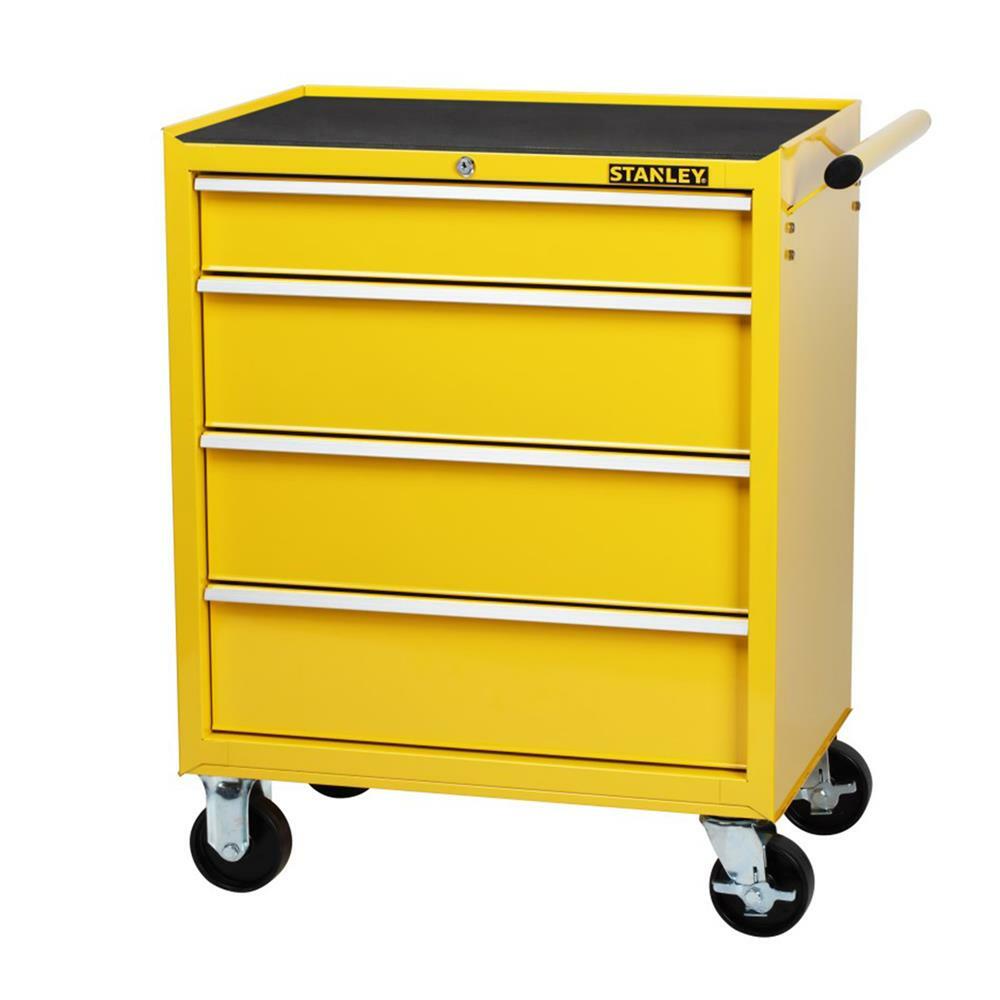
Stanley Workshop
Stanley workshop storage keeps tools, fixings and site gear organised, secure and easy to grab, whether you're fitting out a garage, unit or busy workshop.
If you're fed up digging through piles of kit or losing half an hour looking for sockets, blades or fixings, this is the sort of setup that sorts the problem properly. Stanley workshop storage covers cabinets, lockers, shelving and wall storage built for proper daily use, giving you a tougher, tidier workshop storage system that keeps gear protected and where it should be. Pick the right Stanley workshop cabinets for the space and get your workshop working smarter.
What Is Stanley Workshop Storage Used For?
- Storing hand tools, power tools and consumables in one fixed place helps stop the usual workshop mess where drill bits, blades and fixings end up spread across benches and boxes.
- Fitting Stanley workshop cabinets in a garage or unit gives you secure, organised storage for higher value kit, paint, adhesives and job-specific gear you do not want left lying about.
- Using Stanley shelving for boxed stock, spare parts and heavier items keeps floors clear and makes it easier to load up for the next job without shifting three other bits of kit first.
- Adding Stanley wall storage above benches keeps the gear you reach for every day close to hand, which saves time on assembly, repairs, servicing and snagging work.
- Setting up Stanley lockers for staff kit, PPE or assigned tools works well in shared workshops where everyone needs their own space and you need less mix-up at the end of the day.
Choosing the Right Stanley Workshop Storage
Sorting the right one is simple. Match the storage to what you need to hold, how often you use it, and how much floor or wall space you have.
1. Cabinet, Locker or Shelving
If you need secure storage for tools, chemicals or higher value kit, go with Stanley workshop cabinets or lockers. If you are mainly storing boxed consumables, parts bins or bulky gear, Stanley shelving makes more sense and gives you faster access.
2. Think About Weight, Not Just Size
Do not just buy by width and height. If you are loading shelves with power tools, fixings or heavy parts, check the rated capacity properly. A unit that looks big enough can still be wrong for the job if the shelves are being overloaded every week.
3. Floor Standing vs Wall Storage
If your floor space is already tight, Stanley wall storage is worth a look for the gear you grab all day. If you are storing bigger tools, stock or mixed workshop kit, floor standing cabinets and shelving usually give you better capacity and less fuss.
4. Shared Workshop or One-Man Setup
If several people use the space, lockers and clearly separated cabinets save arguments and lost kit. If it is your own garage or bench area, a simpler Stanley workshop storage system with open shelving and one secure cabinet is often enough.
Who Uses These on Site and in the Workshop?
- Mechanics and plant fitters use Stanley workshop storage to keep sockets, spanners, oils and service parts in order, especially when the bench needs to stay clear for strip-down work.
- Chippies and joiners swear by Stanley workshop cabinets and wall storage for keeping blades, routers, fixings and marking gear together so first job in the morning is not spent hunting for bits.
- Sparkies use Stanley shelving and cabinets to separate testers, accessories, clips, glands and back boxes, which makes van restocks and workshop prep far quicker.
- Maintenance teams and site facilities staff use Stanley lockers and cabinets in shared areas where tools, PPE and cleaning stock need to stay organised and harder to walk off with.
- Garage owners, home workshop users and small trade units go for Stanley garage storage when they want a proper fixed setup instead of stacking cases on the floor and hoping for the best.
Choose the Right Stanley Workshop Storage for the Job
Use this quick guide to sort the right setup for your space and the kit you need to store.
| Your Job | Stanley Storage Type | Key Features |
|---|---|---|
| Keeping expensive tools and gear secure in a shared unit | Workshop cabinet or locker | Lockable doors, enclosed storage, better protection from dust and workshop knocks |
| Storing boxed stock, fixings and bulk consumables | Shelving unit | Open access, higher visibility, easier stock checks, good use of wall length |
| Organising daily-use tools above a workbench | Wall storage | Frees bench space, keeps regular gear within reach, suits tighter workshops |
| Fitting out a home garage or small trade workshop | Mixed cabinet and shelving setup | Secure storage for tools plus open shelves for parts, paints and cleaning stock |
| Assigning storage to different staff or trades | Locker setup | Separate spaces, easier control of PPE and tools, less mix-up between users |
Common Buying and Usage Mistakes
- Buying on outside dimensions alone is a common mistake. Check internal shelf space, door opening and usable storage area, or you can end up with a cabinet that fits the room but not the kit.
- Ignoring load ratings causes sagging shelves and short service life. If you are storing heavy tools, boxed fixings or parts, always match the unit to the real working weight.
- Using open shelving where security matters is asking for trouble. If the workshop is shared or clients and contractors walk through, lockable Stanley cabinets are the safer choice.
- Wall mounting without checking the wall type or fixings can pull the whole lot out later. Masonry, block and stud all need the right fixing method and a proper look at the load going on it.
- Leaving units unplanned until after the workshop is full wastes space. Measure door swings, bench clearance and walkways first so the storage helps the job instead of getting in the way.
Cabinets vs Lockers vs Shelving
Workshop Cabinets
Best when you need enclosed, organised storage for tools, materials and workshop gear. They keep dust off better than open shelves and suit trades who want a tidier, more secure setup.
Lockers
Better for personal issue kit, PPE or assigned tools in shared spaces. They are less flexible than shelving for bulky stock, but they are the right call when gear needs to be separated by user.
Shelving
The practical choice for larger boxes, stock, parts and regular grab-and-go items. It is quick to access and easy to see what you have, but it leaves everything exposed and offers less security.
Wall Storage
Ideal where floor space is tight and bench work is the priority. Good for lighter, regularly used kit, though it is not the answer for every heavy tool or oversized workshop item.
Maintenance and Care
Keep Shelves and Bases Clean
Brush out metal swarf, dust and loose fixings regularly. Letting grit build up scratches finishes, jams doors and drawers, and makes the whole setup harder to keep organised.
Watch the Load
Spread heavier items across lower shelves and do not overload single levels. That keeps units stable and stops shelves bowing over time.
Check Hinges, Locks and Fixings
Give doors, handles and wall fixings a quick check now and then, especially in busy workshops. A loose hinge or fixing is easier to sort early than after a loaded unit starts pulling out of line.
Keep It Dry Where You Can
Even tough workshop storage lasts better when it is not sitting in constant damp. If the garage or unit gets condensation, wipe surfaces down and keep airflow moving to reduce rust on both the unit and the tools inside.
Repair Small Issues Before They Turn Into Bigger Ones
If a shelf starts bending or a door stops closing square, deal with it straight away. Carrying on regardless usually means damaged panels, worse alignment and a shorter life for the whole cabinet.
Why Shop for Stanley Workshop Storage at ITS?
Whether you are after Stanley workshop cabinets, lockers, shelving or a full Stanley workshop storage system for the garage or unit, we stock the range that gets workshops properly sorted. It is all held in our own warehouse, in stock and ready for next day delivery, so you can get the storage in and get the place organised without hanging about.
Stanley Workshop Storage FAQs
What workshop storage does Stanley make?
Stanley workshop storage usually covers cabinets, lockers, shelving and wall storage for garages, workshops and trade units. It is aimed at keeping tools, parts, consumables and day to day gear organised, with options for open access or enclosed storage depending on how secure you need it.
Are Stanley workshop cabinets lockable?
Many Stanley workshop cabinets are lockable, but not every storage unit in a range will be. Check the individual product details before you buy. If security matters because the workshop is shared or the unit is left unattended, go straight for a lockable cabinet rather than open shelving.
How much weight can a Stanley shelf or cabinet hold?
That depends on the specific unit, shelf design and how the weight is spread. Always use the stated load rating as your guide. Heavy tools and parts should go low down where possible, and one overloaded shelf will cause trouble long before the whole cabinet looks full.
Can workshop units be wall mounted?
Some workshop units can be wall mounted, especially lighter wall storage options, but you need to check the product instructions and the wall you are fixing into. Masonry and block will take different fixings to stud walls, and the real issue is not just mounting the unit but safely supporting the loaded weight.
Are Stanley cabinets supplied flat packed?
Some are, some are not. A lot of workshop storage is supplied flat packed for transport and access into garages or units, but you should always check the listing so you know what arrives and what assembly is required. If you are fitting out a working shop, plan a bit of time for building and positioning it properly.
Is Stanley garage storage good enough for everyday trade use?
Yes, for workshop and garage organisation it is a solid option, especially if you choose the unit type properly for the load and the way you work. The main thing is being honest about what you are storing. Shelving for stock, cabinets for tools, lockers for shared setups. Get that right and it does the job well.