Stanley Tool Belts, Pouches & Rolls
Stanley tool belts and pouches keep fixings, hand tools and fast grabs where you need them, saving trips up ladders, across plots and back to the van.
If you're fed up digging through a box for screws, plugs or your tape, a proper Stanley tool belt or Stanley tool pouch makes the day run smoother. This is the sort of kit chippies, roofers, sparkies and general trades grab for first fix, snagging and ladder work, with pockets that hold their shape and hammer loops that actually earn their place. Pick the layout that matches your job and keep your most-used bits on you.
What Are Stanley Tool Belts Used For?
- Working up steps, towers or roof spaces is easier with a Stanley tool belt keeping nails, screws, a tape and a hammer on your waist instead of loose in pockets.
- Fitting first-fix timber, studwork or battens goes quicker when a Stanley nail pouch keeps fixings to hand and stops you climbing down every five minutes.
- Running small snagging jobs around a plot is neater with a Stanley tool pouch for bits like knives, pencils, drivers and pliers that usually end up lost in the van.
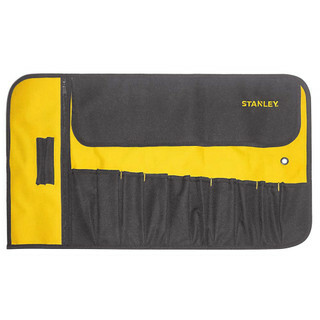
- Using a Stanley tool roll suits joiners, fitters and maintenance lads who want chisels, screwdrivers or spanners laid out properly instead of rattling about in a tote.
- Shifting between rooms on refurbs is simpler when your Stanley belt and pouch set carries the everyday kit you reach for most, without dragging a full box through the house.
Choosing the Right Stanley Tool Belt
Sorting the right one is simple: match the pouch layout to the job, not the logo on it.
1. Belt Only or Belt and Pouch Set
If you already know the exact pouch setup you want, build it your way. If you just need a working rig fast, a Stanley belt and pouch set is the easier shout and usually gets you straight on site without extra faff.
2. Leather or Nylon
If you want something softer, lighter and easier in wet weather, nylon makes sense. If you prefer a Stanley leather tool belt that beds in over time and feels more traditional on first-fix carpentry jobs, leather is the one to look at.
3. Nail Pouch or General Tool Pouch
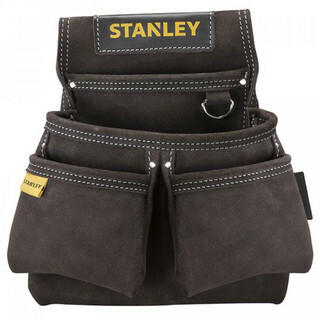
If most of your day is fixings, go for a Stanley nail pouch with decent-capacity pockets. If you carry mixed hand tools, blades, markers and fasteners, a general Stanley tool pouch is more useful and stops everything ending up in one deep pocket.
4. Keep the Weight Honest
Do not buy the biggest rig going if you only need a few essentials. A loaded belt gets heavy by dinner time, so if you are doing service work, snagging or quick domestic jobs, a smaller Stanley pouch is often the better call.
Who Uses These on Site?
- Chippies swear by a Stanley tool belt for first-fix work, keeping nails, a hammer, square and tape close when they are moving along joists or stud walls.
- Roofers and cladders use a Stanley work belt to keep both hands free on ladders and scaffold while still carrying fixings, snips and a hammer.
- Sparkies and maintenance fitters often go for a lighter Stanley tool pouch for drivers, side cutters, screws and test bits on quick jobs and snagging runs.
- General builders and labourers use a Stanley belt and pouch set when they are bouncing between tasks and need the basics on them rather than left in three different spots on site.
Accessories That Make a Stanley Tool Belt More Useful
A few add-ons can turn a basic belt into something that actually suits the way you work.
1. Extra Tool Pouches
Adding another Stanley tool pouch saves you cramming screws, hand tools and fixings into the same pocket. It is a lot easier than emptying the whole belt every time the job changes.
2. Hammer Loops
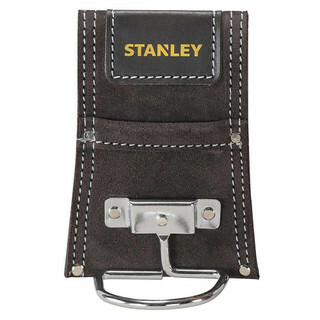
A proper Stanley hammer loop stops you stuffing a hammer through a pocket and wearing the pouch out. It also keeps the handle in the same place every time, which matters when you are moving quickly.
3. Tool Rolls
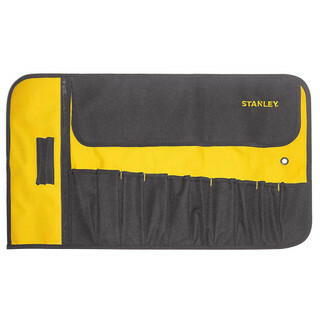
A Stanley tool roll is handy for the gear you do not need on your waist all day. Keep chisels, drivers or spanners rolled up and protected in the van, then belt up with just the essentials.
Choose the Right Stanley Tool Belt for the Job
Use this quick guide to sort the right setup without overloading yourself.
| Your Job | Category or Type | Key Features |
|---|---|---|
| First-fix carpentry and studwork | Stanley belt and pouch set | Twin pouches, hammer loop, wide belt and enough fixing space for a full shift |
| Roofing, ladder work and scaffold jobs | Stanley nail pouch | Compact fixing storage, easy access, less bulk and better balance when climbing |
| Snagging and light maintenance | Stanley tool pouch | Smaller profile, mixed pockets for hand tools and fixings, quicker on and off |
| Traditional site setup with long wear | Stanley leather tool belt | Firm structure, hard-wearing build and a feel that suits daily trade use |
| Keeping hand tools organised in the van | Stanley tool roll | Separate slots, less rattling and quicker kit checks before heading to site |
Common Buying and Usage Mistakes
- Buying the biggest rig on the page for light work usually means sore hips and a belt you stop wearing after a week. Pick the smallest setup that still carries your everyday kit.
- Using a general pouch when the job is mainly nails and fixings slows you down because everything drops to the bottom. A proper Stanley nail pouch keeps fast grabs where your hand expects them.
- Ignoring belt width can leave you with pouches that do not sit right or slide about. Check the belt and pouch sizing before you buy so the whole setup stays stable.
- Overloading one side with a hammer, fixings and hand tools twists the belt and gets uncomfortable fast. Spread the weight properly or add another pouch to balance it out.
- Leaving leather pouches wet and filthy shortens their life. Brush them out and dry them properly after site use or the material soon goes stiff and tired.
Tool Belt Sets vs Nail Pouches vs Tool Rolls
Stanley Belt and Pouch Set
Best when you need a full working setup on your waist for most of the day. It carries more and suits first fix well, but it is bulkier than a single pouch if you are only doing quick jobs.
Stanley Nail Pouch
The right choice when fixings are the main thing you are reaching for. It is lighter and simpler for roofing, timber work and repetitive fastening, but it will not replace a proper mixed-tool setup.
Stanley Tool Pouch
A good middle ground for carrying drivers, pliers, blades, pencils and a few fixings. Better for maintenance and snagging than a full belt, though not as specialised as a dedicated nail pouch.
Stanley Tool Roll
Best for storing and transporting hand tools neatly rather than wearing them. It keeps kit organised in the van or workshop, but it is not the answer when you need both hands free on site.
Maintenance and Care
Empty Out the Dust and Debris
Shake out sawdust, plaster dust and loose fixings at the end of the week. Packed-out pockets wear faster and make it harder to find what you need on the next job.
Dry Leather Properly
If your Stanley leather tool belt gets wet, let it dry naturally somewhere airy. Do not chuck it next to a heater, or it can stiffen, crack and lose shape.
Check Stitching and Fixing Points
Have a look at seams, rivets, hammer loops and belt holes now and then. If a pouch is starting to pull apart, deal with it before your tools end up on the deck.
Do Not Store It Loaded
Leaving a belt hung up with a full load of tools stretches pockets and twists the belt over time. Empty it down after work and it will hold its shape longer.
Replace Worn Working Kit Early
If pockets have gone slack or the belt no longer supports the load, replace it before it starts costing time. A tired pouch is not worth hanging onto if tools keep dropping out.
Why Shop for Stanley Tool Belts at ITS?
Whether you need a Stanley tool belt, a compact Stanley tool pouch, a nail pouch or a Stanley tool roll, we stock the range trades actually use. It is all held in our own warehouse, in stock and ready for next day delivery, so you can get sorted without waiting around.
Stanley Tool Belt FAQs
Who are Stanley tools made by?
Stanley tools are made under the Stanley name, which sits within Stanley Black and Decker. In plain terms, it is an established trade brand known across hand tools, storage and site kit, so you are not buying unknown gear.
What belt width do Stanley pouches fit?
That depends on the pouch design, so always check the product details before buying. Most are built to suit standard work belt sizes, but it is worth confirming if you are adding a Stanley tool pouch to an existing belt rather than buying a full set.
Are Stanley tool belts leather or nylon?
Both turn up in the range. Nylon is lighter and easier to deal with in wet site conditions, while leather gives you a firmer, more traditional setup that many carpenters still prefer for daily wear.
What is the difference between a nail pouch and a tool pouch?
A nail pouch is mainly for fixings, so it gives you open, easy-access storage for nails, screws or clips. A tool pouch is set up for mixed kit like pliers, drivers, knives, markers and smaller fittings, which makes it more useful for general trade work.
Can extra pouches be added to a Stanley belt?
Yes, on compatible belt systems they can. Just make sure the pouch fits the belt width and attachment style, otherwise it can slide about or sit awkwardly once loaded.
Will a Stanley tool belt be comfortable for all-day wear?
Yes, if you buy the right size and do not overload it. Most comfort problems come from carrying too much on one side or choosing a full rig when a single Stanley pouch would have done the job.
Are these just for carpenters, or do other trades use them too?
No, they are not just for chippies. Roofers, sparkies, maintenance teams and general builders all use belt and pouch setups when they need both hands free and the usual small kit close by.