Stanley Tool Bags & Totes
A Stanley tool bag keeps your everyday kit together, easy to grab, and protected from the usual site knocks, wet floors, and van clutter.
If you're fed up with loose hand tools rolling round the van or digging through hard cases for one pair of cutters, this is the sort of storage that makes sense. Stanley tool bags, totes and the Stanley Fatmax tool bag range are built for day-to-day site use, with rigid bases, proper handles and pockets that actually help you stay organised. Pick the right Stanley tote or toolbag for how you work and get your kit sorted.
What Are Stanley Tool Bags Used For?
- Carrying your everyday hand tools, fixings and testers from van to job saves repeated trips, especially on first fix where you need the basics with you all day.
- Working in occupied houses or finished spaces is easier with a Stanley tool bag because soft tool storage is less likely to mark walls, floors and fitted units than a hard box.
- Loading out for snagging, maintenance calls and short service jobs suits a Stanley tote or Stanley open tote because you can see and grab the tools you use most without unpacking half your kit.
- Keeping gear upright in the back of the van is where rigid base Stanley tool bags earn their keep, stopping tools tipping into wet muck or getting buried under larger kit.
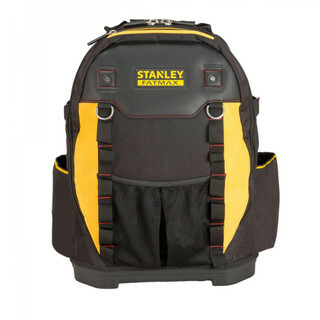
- Moving between floors, plant rooms and roof spaces is easier with a Stanley Fatmax tool bag or Stanley tool backpack when you need both hands free for ladders, access hatches and materials.
Choosing the Right Stanley Tool Bag
Sorting the right one is simple. Match the bag to the tools you carry every day, not the tools you think you might need once a month.
1. Open Tote or Zip Bag
If you want fast access and you are in and out of the bag all day, a Stanley open tote makes more sense. If your kit gets thrown in the van, left in the rain or carried through dusty site areas, go for a zipped Stanley tool bag so everything stays contained.
2. Everyday Hand Tools or Heavier Mixed Kit
For screwdrivers, pliers, tapes and testers, a smaller Stanley tool bag 16 inch size is usually plenty. If you are carrying heavier gear like pipe slices, larger spanners, impact accessories or plenty of fixings, step up to a Stanley heavy duty tool bag with a stronger base and wider opening.
3. Carry Distance Matters
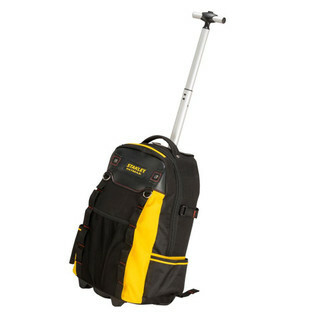
If the bag only goes from van to room, standard handles are fine. If you are crossing big sites, climbing stairs or walking plot to plot, a Stanley tool backpack or Stanley tool bag with wheels will save your shoulders and stop the bag becoming dead weight by midday.
4. Fatmax Range or Standard Storage
If the bag is going to be used five days a week, the Stanley Fatmax tool bag and Stanley Fatmax tool tote options are worth a look for tougher construction and more site-focused layouts. If it is more for light snagging or occasional use, a standard Stanley bag will do the job without taking up as much room.
Who Uses These on Site?
- Sparkies swear by a Stanley tool tote for first fix and testing because it keeps pliers, screwdrivers, terminals and meters visible instead of buried at the bottom.
- Plumbers and heating engineers use a Stanley tool bag for service calls and boiler work, where you need a compact loadout that fits through cupboards, loft hatches and tight plant rooms.
- Chippies keep a Stanley bag or Stanley Fatmax tote for punch list work, door easing and final fixes, carrying the hand tools and bits they actually need rather than dragging in a full box.
- Maintenance teams and site managers reach for Stanley soft tool storage when they are covering mixed jobs in one day and need grab-and-go access to small tools, fixings and consumables.
- Floor layers, fitters and kitchen installers like a Stanley tool backpack or Stanley tool bag with wheels when the walk from van to plot is long and the kit list changes from room to room.
Tool Bag Extras That Make Site Life Easier
A few simple add-ons stop your bag turning into a junk pile and make day-to-day jobs quicker.
1. Organisers and Small Parts Boxes
Keep screws, clips, connectors and rawl plugs in separate organisers instead of loose in the bottom of the Stanley tool bag. It saves that usual ten-minute rummage when you only need two fixings.
2. Tape Holders and Tool Lanyards
A proper tape clip or lanyard keeps your most-used bits where you can reach them. Handy when you are up steps, in a riser or working one-handed and cannot keep setting tools down.
3. Shoulder Straps
If your Stanley bag supports one, a padded strap is well worth it for long walks across site. It is a lot better than cutting your hand to bits with overloaded carry handles.
4. Zip Pouches for Testers and Blades
Small pouches stop sharp blades, driver bits and delicate testers getting knocked about with the rest of your kit. That means less damage and less time hunting for the right bit.
Choose the Right Stanley Tool Bag for the Job
Use this quick guide to narrow down the right type for how you actually work.
| Your Job | Bag Type | Key Features |
|---|---|---|
| Daily hand tool carry for service calls and snagging | Stanley tool bag 16 inch | Compact size, zipped storage, enough pockets for core hand tools without overloading it. |
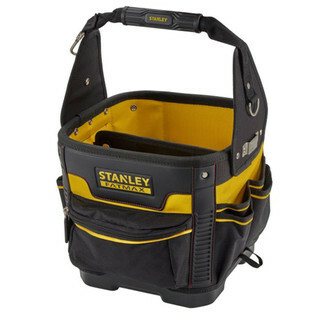
| Fast access to tools on first fix or maintenance rounds | Stanley open tote | Open top access, visible layout, quick grab-and-go use for pliers, drivers and fixings. |
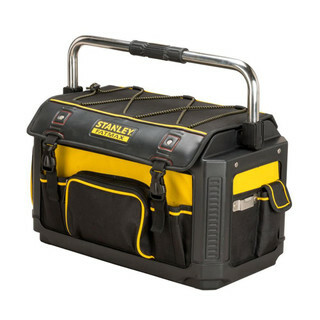
| Heavier site use with more tools and consumables | Stanley Fatmax tool bag | Tougher construction, rigid base, stronger handles and better support for regular abuse. |
| Working across large sites or up and down stairs all day | Stanley tool backpack | Hands-free carry, balanced load, easier movement through access points and ladders. |
| Long walks from van to plot with a heavier loadout | Stanley tool bag with wheels | Rolling transport, less strain on shoulders, useful for mixed tools and small power tool kit. |
Common Buying and Usage Mistakes
- Buying too small to save space usually backfires because the bag gets overstuffed, tools snag on each other and handles take more strain. Leave room for the kit you carry every day, not just the bare minimum.
- Picking an open tote when you mostly work outdoors or throw kit in the van leads to wet tools, dust build-up and lost bits. If your gear needs covering, choose a zipped Stanley toolbag instead.
- Ignoring the base construction is a common mistake. A rigid base matters if the bag spends its life on concrete, wet ground or rough van floors, otherwise the bottom wears out quickly.
- Using one bag for everything turns it into dead weight. Keep your Stanley bag set up for the trade or task you do most, and leave specialist tools in separate storage until they are actually needed.
- Overloading a soft bag with sharp or awkward tools shortens its life and makes it a pain to carry. Heavy metal kit and loose blades should be organised properly or moved into more suitable storage.
Tool Bags vs Open Totes vs Backpacks
Stanley Tool Bag
Best for keeping everyday kit protected and contained. A standard Stanley tool bag suits van storage, wet weather and jobs where you do not want fixings and hand tools exposed.
Stanley Open Tote
Best for quick access. A Stanley tote or Stanley Fatmax open tote tool bag is ideal when you are constantly reaching for pliers, screwdrivers and tapes, but it is less suited to dusty or wet site conditions.
Stanley Tool Backpack
Best for mobility. If you cover a lot of ground, climb stairs or need both hands free, the backpack style is easier on your body than a side-handled bag, though access is usually slower than an open tote.
Stanley Tool Bag with Wheels
Best for heavier loads over longer distances. It takes the strain out of moving tools across larger sites, but it is bulkier and less handy than a smaller Stanley bag in tight domestic jobs.
Maintenance and Care
Empty Out the Rubbish
Clear out dust, broken fixings, offcuts and old packaging every week. It keeps pockets usable and stops sharp rubbish wearing through the lining.
Dry It Before Storing
If the Stanley tool bag has been sat on wet ground or caught in the rain, let it dry out before chucking it back in the van. Damp storage leads to rust on tools and a bag that starts to smell rough.
Check Handles and Stitching
Look at the handles, zip runs and load points now and then, especially if you carry heavier kit. A small split caught early is better than the whole bag letting go on the walk into site.
Keep Sharp Tools Controlled
Blades, jab saws and sharp accessories should be sleeved or pocketed properly. Loose sharp tools are what usually damage soft tool storage from the inside out.
Replace When the Base Gives Up
If the rigid base is cracked, the bag no longer stands up properly or the handles are pulling away, it is time to replace it. Once the structure goes, it becomes harder to carry and tools stop staying organised.
Why Shop for Stanley Tool Bags at ITS?
Whether you need a compact Stanley tool bag for everyday hand tools, a Stanley Fatmax tool bag for tougher site use, or a Stanley tote for quick-access carrying, we stock the full range. It is all held in our own warehouse, in stock and ready for next day delivery, so you can get the right bag on site without hanging about.
Stanley Tool Bag FAQs
Are Stanley tool bags waterproof?
Not fully waterproof, no. Most Stanley tool bags are built to handle site dirt, damp conditions and the odd shower, and many have a rigid plastic base to keep tools off wet floors. But if they are left out in heavy rain, water will still get in, especially on open tote designs.
What is the Stanley Fatmax technicians bag?
It is a more organised style of Stanley Fatmax tool bag aimed at trades carrying a wider mix of hand tools, testers and smaller parts. Think sparkies, service engineers and maintenance teams who need lots of pockets, better visibility and a bag that stays manageable on callouts.
Do Stanley tool bags have a rigid base?
Many do, especially the site-focused and Fatmax models. A rigid base helps the Stanley tool bag stand up properly, protects the bottom from rough ground and keeps your tools out of shallow water and general site muck.
What is the difference between a tool bag and an open tote?
A tool bag usually gives you zipped or more enclosed storage, which is better for van transport, bad weather and keeping loose bits together. An open tote gives faster access and better visibility, which is handy on first fix or service work, but it leaves your kit more exposed.
Are Stanley tool bags supplied empty?
Yes, in most cases they are supplied empty unless the listing clearly says otherwise. That lets you set the Stanley bag up for your own trade rather than paying for tools or inserts you may not want.
Will a Stanley Fatmax tool bag hold up to daily site use?
Yes, if you buy the right size and do not overload it with the wrong kit. The Fatmax range is made for harder use than light-duty bags, with stronger construction and better bases, but no soft bag lasts long if it is stuffed with sharp loose tools and dragged round concrete every day.
Is a Stanley tool backpack better than a tote?
It depends on the job. If you are walking a big site, climbing stairs or need both hands free, the backpack wins. If you want to see and grab tools quickly while working in one area, a Stanley tote is usually the better shout.
Can I use a Stanley tool bag for power tools as well as hand tools?
You can for smaller power tools and their accessories, but be sensible with weight and shape. A Stanley tool bag works best for mixed everyday kit rather than replacing proper storage for larger drills, saws or breakers.