Stanley Site Lighting & Torches
Stanley work light options give you proper visibility for lofts, plant rooms, first fix and late finishes where weak lighting just slows the job down.
When you're working in dark corners, under floors or outside after the light drops, a Stanley site light saves time and stops sloppy work. This range covers Stanley LED work light, Stanley torch, inspection light, floor light and tripod light options built for real site use. Pick the right beam spread, power source and IP rating, then get your Stanley site lighting sorted.
What Are Stanley Work Lights Used For?
- Lighting up first fix in loft spaces, ceiling voids and plant rooms where you need both hands free and cannot afford to miss a pipe run or cable route.
- Working through refurbs and snagging jobs after daylight fades, where a Stanley LED work light helps you spot uneven finishes, missed fixings and poor cuts properly.
- Setting up outside for paving, fencing or handover clean-ups, where a Stanley site light throws enough spread across the work area to keep the job moving safely.
- Checking panels, cupboards, risers and service points with a Stanley inspection light or Stanley torch when a big flood beam would just bounce back and get in your way.
- Covering larger rooms or open work zones with a Stanley floor light or tripod light when one small task light is not enough to light the whole area properly.
Choosing the Right Stanley Work Light
Match the light to the space and the shift. Too small and you are working in your own shadow. Too big and you are carrying bulk you do not need.
1. Torch, Inspection Light or Area Light
If you are tracing faults, opening panels or checking under units, a Stanley torch or Stanley inspection light makes more sense than a big floodlight. If you are actually working in the area for an hour or more, go straight to a Stanley LED work light with a wider beam.
2. Floor Light vs Tripod Light
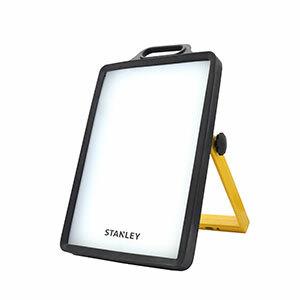
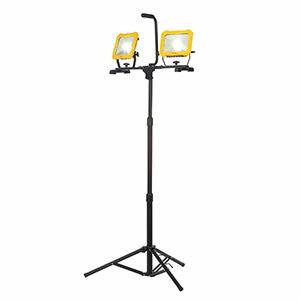
A Stanley floor light is the better shout for close work, smaller rooms and jobs where you keep moving about. If you need to throw light across a bigger space or over materials and obstructions, a Stanley tripod light gets the beam up where it is useful.
3. Mains or Rechargeable
If you are near reliable power and lighting one area all day, mains is steady and simple. If you are in a new build, on a ladder, outside the van or moving room to room, a Stanley rechargeable work light saves trailing leads and one less trip for an extension reel.
4. Check the IP Rating Properly
Do not assume every Stanley site light is happy in wet weather. If it is for outside jobs, look at the IP rating before you buy. Fine dust, rain and site splash will soon show up a light that is only suited to clean indoor work.
Who Uses These on Site?
- Sparkies rely on a Stanley work light for board changes, loft runs and second fix in half-lit properties where shadows make neat work harder than it needs to be.
- Plumbers and heating engineers use Stanley inspection light and torch models for getting into cupboards, under baths and behind cylinders without trying to balance a bigger light.
- Builders, chippies and snagging teams use a Stanley site light when fitting out, trimming up and checking finished work at the end of the day.
- Groundworkers, landscapers and external maintenance crews go for Stanley floor light and tripod light setups when the job carries on outside and daylight has already gone.
- Site managers and handover teams keep a Stanley rechargeable work light in the van for quick checks, temporary lighting and last-minute problems that cannot wait till morning.
The Basics: Understanding Stanley Site Lighting
The main thing is not just brightness. It is how the light is spread, how it is powered and whether it will cope with the part of site you are working in.
1. Lumens Tell You the Output
Lower-lumen Stanley torch and inspection light models are for close checks and short-range work. Higher-lumen Stanley work light and Stanley tripod light models are what you need for lighting full rooms, outdoor work areas and bigger fit-out zones.
2. Beam Spread Changes the Job
A narrow beam helps when you need to point light into a void, cabinet or riser. A wider flood beam is better when you are cutting, fixing or snagging and need to see the whole working area rather than one small spot.
3. Height and Position Matter
A Stanley floor light is good for quick setup at ground level, but it can throw harsh shadows if materials are stacked in front of it. A Stanley site light on a tripod lifts the beam above the clutter so more of the room stays usable.
Accessories That Keep Site Lighting Useful
A decent light helps, but the right extras stop dead batteries, poor placement and damaged leads slowing the shift down.
1. Extension Leads and Cable Reels
If you are running a mains Stanley site light, get enough lead to place it where the light actually helps, not just where the socket happens to be. It saves dragging the light into the wrong spot and working round shadows all day.
2. Spare Chargers or Charging Leads
A replacement charger for a Stanley rechargeable work light is worth having in the van or workshop. One lost lead can leave a perfectly good light sat useless when you need it most.
3. Tripods and Mounting Options
If your work light supports tripod mounting, use it. Getting the beam up off the floor cuts glare, throws light deeper into the room and stops the lamp getting kicked about near your feet.
Choose the Right Stanley Work Light for the Job
Use this quick guide to match the light to the work area.
| Your Job | Category or Type | Key Features |
|---|---|---|
| Checking consumer units, cupboards and service voids | Stanley inspection light | Compact body, focused beam, easy one-hand use in tight spaces |
| General van carry for call-outs and quick faults | Stanley torch | Portable size, fast grab use, useful for short checks and access routes |
| Lighting a room for fitting, cutting or snagging | Stanley LED work light | Wider beam spread, stronger output, stable setup for longer tasks |
| Working low level in smaller rooms or near the floor | Stanley floor light | Quick placement, solid base, good for close work and easy repositioning |
| Covering larger areas or working over stacked materials | Stanley tripod light | Raised beam height, broader area coverage, better for open spaces and external work |
Common Buying and Usage Mistakes
- Buying on size alone instead of light output is a common mistake. A compact unit is handy, but if the lumen output is too low for the room, you will still end up working in patchy light.
- Choosing a floor light for every job can catch you out. They are handy, but on cluttered floors they throw shadows behind materials, so a tripod light is often the better call for bigger spaces.
- Assuming rechargeable always means all-day runtime wastes time fast. Check the run time against the shift, otherwise the light will die halfway through second fix or handover.
- Ignoring the IP rating is where many site lights come unstuck. If it is heading outdoors or into dusty work areas, buy for the conditions or expect early failure.
- Placing the light behind you because it is convenient often creates your own shadow over the task. Set it off to the side or higher up so the beam lands on the work, not in your eyes.
Floor Light vs Tripod Light vs Torch
Stanley Floor Light
Best for smaller rooms, lower-level work and jobs where you keep shifting position. It sets up quickly, but on busy floors it can get blocked by materials and throw awkward shadows.
Stanley Tripod Light
Better for large areas, external work and rooms full of gear because it gets the beam up above the clutter. It takes more space and is less convenient if you are constantly moving between tasks.
Stanley Torch
Right for inspections, short checks and access in tight spots where a floodlight would be overkill. It is not the one to buy if you need to light a full work area for cutting, fixing or finishing.
Stanley Inspection Light
A good middle ground for close-up work, especially in cupboards, risers and plant. More useful than a standard torch when you need a handsier work beam, but still not a replacement for proper area lighting.
Maintenance and Care
Clean the Lens Properly
Dust, plaster and fine site muck on the lens cut output more than most people realise. Wipe it down after use so your Stanley LED work light keeps throwing a clear beam instead of a dull haze.
Check Leads and Plugs
On mains models, inspect the cable before every shift. If the sheath is nicked or the plug has had a knock, sort it straight away rather than risking a failure halfway through the job.
Look After Rechargeable Models
Do not leave a Stanley rechargeable work light flat for weeks in the van. Keep it charged, store it dry and top it up before a run of evening work so it is ready when site lighting is poor.
Store It Out of the Knock Zone
Lights get broken more in transport than in use. Keep them packed where lenses, stands and switches are not getting smashed about by drills, fixings and loose gear in the back of the van.
Replace When Output Drops or Housings Crack
If the beam is fading, the housing is split or the stand will not hold position, do not keep making do. Poor lighting slows the job and cracked casings are a bad sign on dusty or damp sites.
Why Shop for Stanley Work Light Range at ITS?
Whether you need a Stanley torch for call-outs, a Stanley inspection light for tight spaces, or a Stanley tripod light for bigger work areas, we stock the full Stanley site lighting range in one place. It is all held in our own warehouse, in stock and ready for next day delivery, so you can get the right light on site without hanging about.
Stanley Work Light FAQs
What lumen output do I need for site lighting?
For close inspections and small cupboards, lower output is usually enough. For full rooms, first fix, snagging or outside work, go higher so you are not working in shadows. The honest answer is simple. Match the lumens to the size of the area, not just the price of the light.
Are Stanley work lights mains or rechargeable?
Both exist in the Stanley range, so check the spec on the exact light. Mains models suit long static jobs where power is already there. Rechargeable models are better when you are moving about, working in unfinished areas or want to avoid trailing leads.
What IP rating do Stanley site lights have?
It varies by model, so do not guess. Some Stanley site lighting is built for tougher dusty or damp conditions, while some is more suited to indoor use. If the light is going outside or into rough site conditions, always check the listed IP rating before buying.
Can a work light be used outdoors in the rain?
Only if the model is rated for it. Some site lights will cope with rain and site splash, but not every work light is meant for being left out in bad weather. If you are doing external work, buy by IP rating first and convenience second.
What is the difference between a floor light and a tripod light?
A floor light sits low, sets up fast and works well for smaller spaces or close tasks. A tripod light gets the beam higher, spreads it further and is better when the room is large or the floor is full of materials. If you keep getting shadows, the tripod is usually the fix.