Stanley Ladders, Access & Benches
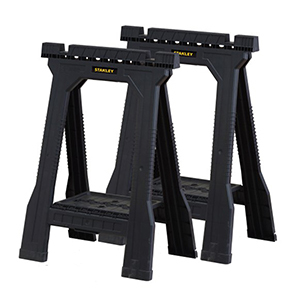
Stanley trestles give you a solid, portable setup for cutting, supporting and bench work on site, in the workshop, or out the back of the van.
If you're sick of balancing timber on buckets or working off makeshift supports, this is the kit to sort it. Stanley benches and Stanley FatMax trestles are built for real site use, with folding frames that stow easily, decent load ratings, and tops that actually help when you're cutting lengths, trimming boards, or setting up a quick work stand. If you need Stanley access equipment that earns its space in the van, start here and pick the setup that matches your load, height and working room.
What Are Stanley Trestles Used For?
- Supporting long timber, sheet material, and trim when you need a quick cutting station on site without dragging a full bench through the build.
- Setting up a temporary work surface in garages, refurbs, and first fix areas where a Stanley folding trestle gives you stable support and packs away fast after the job.
- Holding doors, boards, and lengths at a usable height while you mark out, plane edges, fit ironmongery, or sort snagging work before final fix.
- Backing up a Stanley saw horse or Stanley work stand setup when joiners and fitters need more support under heavy or awkward stock that wants to twist or dip.
- Creating a simple pair-and-board bench for decorating, maintenance, and low-level access jobs where you need reach and support but not full scaffold.
Choosing the Right Stanley Trestles
Sorting the right one is simple: match the trestle to the load and the way you work, not just whatever folds up smallest.
1. Load Rating Comes First
If you're only supporting trim, battens, and light boards, a standard Stanley folding trestle will do the job. If you're loading up sheet material, worktops, or stacked timber, go straight for the higher-capacity Stanley FatMax trestles and give yourself some margin.
2. Single Trestle or Bench Setup
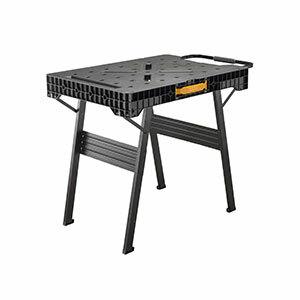
If you mainly need material support for cutting, a pair of Stanley trestles makes more sense. If you're doing marking out, assembly, or light fixing work, a Stanley workbench or Stanley bench gives you a more usable top and usually better clamping options.
3. Folding Size Matters
If van space is tight, check how flat they fold and how easy they are to carry one-handed. There is no point buying a bigger work stand if it lives in the yard because it's too awkward to load every day.
4. Working Height and Top Style
If you're cutting lengths all day, pick a height that saves your back and keeps the work steady. If you want to clamp or fix directly to the top, make sure the Stanley saw horse or bench design actually suits that job instead of just acting as a support.
Who Uses These on Site?
- Chippies use Stanley trestles for cutting stud, skirting, architrave, and sheet goods because they fold flat, set up quickly, and save kneeling about on the floor.
- Kitchen fitters and joiners keep Stanley benches in the van for supporting worktops, doors, and panels while marking out, trimming, and assembling on the job.
- Decorators and maintenance teams use them with boards for low-level access, prep work, and snagging where steps are awkward and full towers are overkill.
- General builders and site teams reach for Stanley tressels when they need a quick, tough support for cutting areas, temporary bench space, or holding materials off wet ground.
Accessories to Get More from Stanley Trestles
A few simple add-ons make your trestle setup safer, quicker, and far more useful on real jobs.
1. Scaffold Boards or Timber Tops
This is what turns a pair of Stanley trestles into a proper working platform or bench. Use the right size and make sure the board sits square and supported, otherwise you'll spend the day fighting bounce and movement.
2. Clamps
Get a couple of decent clamps if you're using a Stanley work stand for trimming, sanding, or fixing. They stop stock walking about mid-cut and save you trying to pin everything down with one hand.
3. Tool Bags or Storage Totes
Keep marking tools, fixings, and blades together with the trestle setup so you're not trekking back to the van every ten minutes. It sounds obvious, but it saves a lot of wasted steps over a week.
Choose the Right Stanley Trestles for the Job
Use this quick guide to sort the right setup for the work in front of you.
| Your Job | Category or Type | Key Features |
|---|---|---|
| Cutting skirting, battens, and regular timber on site | Stanley folding trestle pair | Flat folding frames, quick setup, light enough for daily van use |
| Supporting worktops, doors, or heavier boards | Stanley FatMax trestles | Higher load rating, sturdier stance, better for wider and heavier stock |
| Marking out, assembly, and bench work in one spot | Stanley workbench | More usable top surface, better support for clamping and fitting tasks |
| Temporary low level platform with a board across | Stanley benches or trestles | Consistent height, portable setup, useful for decorating and maintenance |
| General support for awkward lengths and sheet material | Stanley saw horse or work stand | Fast material support, easy to reposition, handy where space is tight |
Common Buying and Usage Mistakes
- Buying on folded size alone is a false economy. If the load rating is too low for sheet material, worktops, or stacked timber, the setup will feel unstable and wear out faster.
- Using one trestle where a pair is needed just creates sag and poor support. For long stock or boards, use two and space them properly so the material stays flat and controllable.
- Treating any trestle like access gear without checking the design is asking for trouble. If you're putting a board across them, make sure the setup is suitable, level, and used within the stated limits.
- Ignoring working height soon catches up with your back and shoulders. Pick a Stanley bench or work stand height that suits the task, especially if you're cutting or assembling all day.
- Leaving folding joints clogged with plaster dust, wet muck, or saw chips shortens their life. Clean them off after use so they lock properly and fold without forcing them.
Stanley Trestles vs Workbenches vs Saw Horses
Stanley Trestles
Best when you need portable support for timber, boards, and quick bench setups. They are easier to stack, carry, and store than full benches, but you will usually need a pair and sometimes a board to get the most from them.
Stanley Workbenches
Better for marking out, assembly, and jobs where you want a ready-made working top. They take up a bit more room but save time if you're constantly clamping, fitting, or using hand tools on smaller components.
Stanley Saw Horses
A saw horse is ideal for simple support duties and quick cuts on site. It is usually the fastest option to throw up, but less versatile than a bench if you need a flatter, more controlled work surface.
Maintenance and Care
Clean the Hinges and Locks
Brush off sawdust, plaster, and site muck after use so folding legs and lock points keep moving freely. Most trestle problems start with dirt packed into the joints.
Check for Twists and Damage
Have a quick look at the legs, feet, and top rails before loading them up. If a frame is bent or a foot is missing, it will rock under weight and make every cut harder than it needs to be.
Store Them Dry
Stanley access equipment will put up with site life, but leaving it wet in the back of the van all week is asking for corrosion and stiff joints. Dry them off and fold them away properly.
Do Not Overload Worn Units
If the locking points are loose or the frame has taken a hiding, keep it for lighter support work or replace it. Trestles are cheap compared with damaged materials or a near miss on site.
Why Shop for Stanley Trestles at ITS?
Whether you need Stanley trestles, Stanley benches, a Stanley work stand or heavier-duty Stanley FatMax trestles, we stock the range for proper site use. It is all held in our own warehouse, in stock and ready for next day delivery, so you can get sorted without hanging about.
Stanley Trestles and Benches FAQs
How much weight can a Stanley trestle hold?
It depends on the exact model, so always go by the stated load rating rather than guessing. Some Stanley trestles are fine for regular timber and sheet support, while Stanley FatMax trestles are built for heavier loads like worktops and stacked materials.
Do Stanley trestles and benches fold flat for transport?
Yes, that is one of the main reasons trades buy them. Most Stanley folding trestle and bench designs fold down flat enough to slide into the van, store against a wall, or carry without taking up half your working space.
Can trestles be used to support a scaffold board?
Yes, plenty of site teams use trestles that way for low-level work, but only if the setup is suitable and stable. Check the trestle design, load rating, ground conditions, and board fit first, because not every support is meant to double up as access gear.
What is the working height of a Stanley trestle?
Working height varies by model, so it is worth checking before you buy if you are using them all day. For cutting and bench work, the right height makes a big difference to comfort, control, and how much your back complains by home time.
Are Stanley trestles sold singly or in pairs?
Both exist, so read the listing carefully. Some are supplied as single units and some as pairs, and that matters because most support jobs need two from the start unless you are only using one as a side stand.
Are Stanley benches any good for cutting sheet material?
Yes, if you choose a setup with enough width and load capacity underneath it. For full sheets or heavier boards, a pair of Stanley trestles often gives you better spread and support than one small bench on its own.