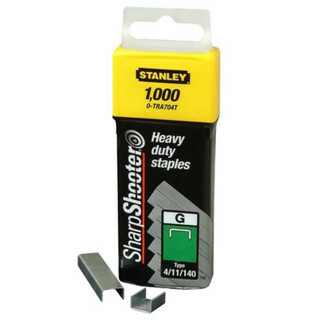
Stanley Nail Gun Nails and Accessories
Stanley nail gun nails are built for clean second fix, trim work and tidy fixing without splitting material or jamming the gun on busy site days.
When you're fitting skirting, pinning architrave or trimming out a room, the wrong nails will cost you time fast. Stanley brad nails, finish nails and nail strips are made to feed properly, hold well and leave a cleaner fix, so match the gauge and length to the timber and get the right packs in before you start.
What Are Stanley Nail Gun Nails Used For?
- Fixing skirting, architrave and other second fix trim is where Stanley nail gun nails earn their keep, giving you neat holding power without making a mess of painted or finished timber.
- Installing door linings, quadrant, beading and mouldings is quicker with Stanley brad nails when you need fast repeat fixing that will not leave big heads to fill afterwards.
- Working through kitchen end panels, decorative trims and light joinery pieces is easier with Stanley finish nails when you need a stronger bite into timber or sheet material.
- Finishing snagging work on refurbs or plot handovers suits Stanley nailer nails because they let you pin back loose trim and tidy small jobs without dragging out screws and plugs.
- Loading out for first and second fix vans is simpler with the right Stanley brad nail pack or nail strips, so the gun feeds cleanly and you are not stuck with misfires halfway through a room.
Choosing the Right Stanley Nail Gun Nails
Sorting the right nails is simple: match the nail to the gun first, then to the trim, not the other way round.
1. Brad Nails or Finish Nails
If you are fixing fine trim, small mouldings or painted beading, Stanley brad nails are usually the safer pick because they leave a neater hole. If the material is heavier or likely to get knocked about, Stanley finish nails give you more holding power.
2. Nail Length
Do not just grab the longest strip. For thin trims and beading, shorter nails stop you blowing through or splitting the back edge. For skirting, architrave and thicker second fix timber, go longer so you are biting properly into the substrate.
3. Gauge and Collation
Check what your nailer actually takes before ordering. If the gauge or strip format is wrong, the gun will not feed right and you will waste half the day clearing jams instead of fixing out the room.
4. Pack Size for the Job
If you are trimming one doorway, a smaller Stanley brad nail pack will do. If you are on plots or full-house second fix, buy enough packs to finish the run because mixing odd leftovers or wrong lengths on site is where mistakes start.
Who Uses These on Site?
- Chippies use Stanley nail gun nails for second fix, especially when running skirting, architrave and trim through whole plots where speed matters but the finish still has to stay tidy.
- Kitchen fitters reach for Stanley brad nails when fixing scribes, cover trims and end panels, because a smaller head leaves less making good once the job is handed over.
- Joiners and shopfitters use Stanley finish nails where they need a bit more hold in hardwood trims, built-in units and decorative mouldings that get handled straight after fixing.
- Maintenance teams keep Stanley nails on the van for quick repair work, pinning loose beading, re-fixing trims and sorting the sort of small snagging jobs that still need doing properly.
Stanley Nail Gun Accessories That Save Time on Site
A few proper add-ons stop jams, downtime and half-finished trim jobs when you are moving room to room.
1. Matching Fuel Cells or Gas Cartridges
If your Stanley nailer needs gas, keep spare fuel with the nails. There is nothing worse than being halfway through skirting a plot and finding the gun dead while the nails are still sat in the mag.
2. Nose Tips and No-Mar Tips
These are worth having when you are working on painted trim, oak finishes or delicate mouldings. They help stop the gun marking the face, which saves filling, sanding and awkward conversations at handover.
3. Cleaning Kits and Nailer Oil
Dust, resin and site muck soon build up in any nailer. A basic cleaning kit and the right oil help keep the feed clean and cut down the jams that always seem to happen when you are rushing to finish.
Choose the Right Stanley Nail Gun Nails for the Job
Use this quick guide to match the fixing to the trim and avoid splitting, blow-through or weak hold.
| Your Job | Category or Type | Key Features |
|---|---|---|
| Pinning beading and fine mouldings | Stanley brad nails | Smaller gauge, neater hole, less chance of marking delicate trim |
| Fixing skirting and architrave | Stanley second fix nails | Longer lengths, solid bite into timber grounds or framing, cleaner finish than screws |
| Fitting heavier trim or hardwood details | Stanley finish nails | More holding strength, better for denser material, still leaves a tidy face to fill |
| Full plot or multi-room second fix | Stanley nail strips in larger packs | Less reloading, consistent feed, easier stock control for repeat work |
Common Buying and Usage Mistakes
- Buying by length alone is a common mistake. If the gauge or collation does not match your Stanley nailer, you will get feeding problems or the nails will not load at all.
- Using finish nails for every job can mark light mouldings and delicate trim. For finer second fix work, brad nails usually leave less filling and less risk of splitting.
- Going too short to save money often leaves skirting or architrave loose, especially on uneven walls. Make sure the nail is long enough to pass through the trim and still bite properly into the backing material.
- Using nails that are too long for thin beading can blow through the back or split the timber. Match the nail length to the thickness of the material and what sits behind it.
- Running dirty or mixed strips through the gun causes jams that look like a gun fault. Keep nails dry, keep packs separate, and do not force damaged strips into the magazine.
Brad Nails vs Finish Nails vs Nail Strips
Stanley Brad Nails
Best for neat second fix where appearance matters, like beading, quadrant and lighter trim. They leave a smaller hole, but they are not the one for heavier sections that need more grip.
Stanley Finish Nails
A better choice when you need extra hold in skirting, architrave, hardwood trims or joinery sections. They leave a more visible fixing point than brads, but they cope better with heavier material.
Stanley Nail Strips
This is about feed format rather than strength alone. If your nailer takes strip nails, stick with the correct strip type for smoother loading and fewer stoppages on repetitive site work.
Maintenance and Care
Keep Nails Dry
Store Stanley nail gun nails somewhere dry in the van or workshop. Damp strips can corrode, stick together or feed badly once they have been rattling about for a few weeks.
Do Not Mix Loose Packs
Keep different gauges, lengths and strip types separate. Mixed nails are an easy way to load the wrong ones into the gun and end up with jams or poor fixing.
Check for Damaged Strips
Before loading, have a quick look for bent, broken or swollen strips. Forcing damaged nail strips through a nailer usually causes stoppages and can score the magazine.
Clean the Nailer Feed Path
Even the right Stanley nails will jam in a dirty gun. Brush out dust and debris from the magazine and nose regularly, especially after MDF, resinous softwood or a lot of trimming work.
Why Shop for Stanley Nail Gun Nails at ITS?
Whether you need Stanley brad nails for fine trim, Stanley finish nails for stronger second fix work, or Stanley nail gun accessories to keep your nailer running, we stock the range in one place. It is all held in our own warehouse, ready for next day delivery, so you can get the right nails on site without hanging about.
Stanley Nail Gun Nails FAQs
What nails does a Stanley nail gun use?
It depends on the exact Stanley nailer. Some take Stanley brad nails, others take finish nails or specific nail strips. The only safe way is to match the gauge, length and collation to your gun, because close enough usually ends in misfeeds or jams.
What is the difference between brad nails and finish nails?
Brad nails are finer and leave a smaller hole, so they suit lighter trim, beading and neat finishing work. Finish nails are thicker and give you more hold, which makes them better for heavier skirting, architrave and joinery details that need a stronger fixing.
Are Stanley nails compatible with other brands of nailer?
Sometimes yes, but do not assume they are. If the other nailer takes the same gauge, length and strip format, they may run fine. If any of those are off, you can expect poor feeding, jams or the nails not seating properly.
What length brad nail should I use for skirting?
For skirting, you generally want a nail long enough to go through the board and still bite well into the wall plug, batten or timber behind. On thinner skirting a shorter brad may do, but for most proper second fix work many trades move up to longer brads or finish nails for better hold.
How many nails come in a Stanley pack?
Pack quantities vary by nail type, gauge and length, so check the product listing rather than guessing from the photo. If you are doing full-house trim, it is worth working out coverage before ordering so you are not a pack short halfway through second fix.