Stanley FatMax Tool Bags & Totes
Stanley FatMax tool bags keep your gear organised, protected and easy to grab on site, whether you want a tote, rucksack or wheeled bag for daily graft.
If you're fed up rooting round a cheap bag with split seams and no shape left in it, this is the sort of kit worth buying once. Stanley FatMax tool bags are built for lads carrying hand tools, fixings, testers and first-fix bits from van to plot, with rigid bases, proper pocket layouts and handles that cope with site abuse. Pick the style that suits how you work and get your kit sorted properly.
What Are Stanley FatMax Tool Bags Used For?
- Carrying daily hand tools, knives, drivers, pliers and small fixings from the van to the job without loose kit ending up all over the floor.
- Working through first fix and second fix jobs where a Stanley FatMax tote or fatmax tool bag keeps the bits you reach for most standing open and easy to grab.
- Moving heavier loads like hammers, spanners, pipe tools and test gear around larger sites where a Stanley FatMax bag with wheels or rucksack saves your shoulders.
- Keeping tools upright and separated in workshops, service vans and snagging jobs so blades, levels, tapes and consumables are not all jammed into one compartment.
- Handling outside site conditions where a rigid base helps keep the bag off wet ground and stops the whole lot sagging when it is loaded up properly.
Choosing the Right Stanley FatMax Tool Bags
Sorting the right one is simple. Match the bag to how you carry your tools, not just how many pockets it has.
1. Open Tote or Closed Bag
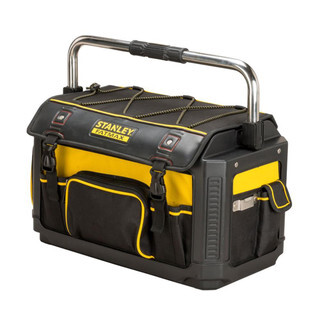
If you want fast access while working, a Stanley FatMax tote or Stanley FatMax open tote makes more sense because everything is in view. If your tools spend more time in the van, on the passenger seat or being lugged through rain and dust, go for a zipped fatmax tool bag that keeps the lot contained.
2. Rucksack, Carry Bag or Wheels
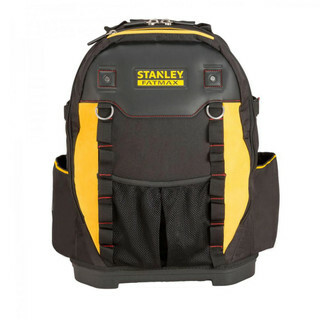
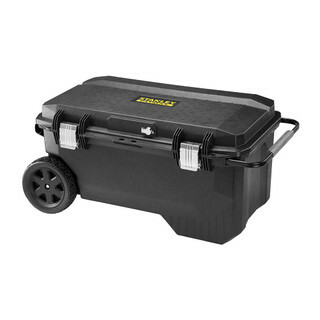
If you are climbing stairs, walking long corridors or keeping both hands free, a Stanley FatMax rucksack is the sensible choice. For short van to room trips, a standard carry bag is fine. If you load up with heavy hand tools and kit, a Stanley FatMax bag with wheels saves a lot of strain by the end of the week.
3. Size and Load
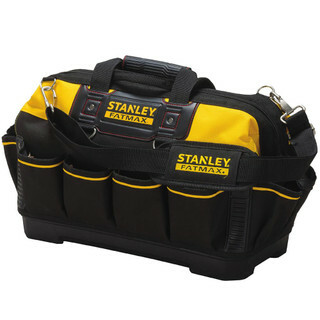
Do not buy too small and end up overstuffing it. A Stanley FatMax tool bag 18 size works well as a daily grab bag for core hand tools, but if you carry bigger gear, extra fixings or trade-specific kit, step up in size so the zip closes properly and the handles are not taking all the punishment.
4. Base and Shape
Always look at the base. If the bag is going on damp floors, rough slabs or the back of the van every day, a rigid base is worth having because it keeps the bag upright, protects the bottom and stops your tools flopping into a heap.
Who Uses These on Site?
- Sparkies swear by a Stanley FatMax open tote for first fix and testing because drivers, pliers, testers and connectors stay visible instead of buried at the bottom.
- Plumbers and heating engineers use a fatmax tool bag for hauling grips, cutters, tape, olives and service tools into plant rooms, lofts and awkward cupboards.
- Chippies and kitchen fitters keep one by them for squares, chisels, pencils, blades and fixings when they are moving room to room on install work.
- Maintenance teams and snagging crews like Stanley FatMax tool bags because one bag covers a mixed load of hand tools for quick callouts across site.
- General builders and foremen often go for a Stanley FatMax rucksack or wheeled bag when they are carrying heavier gear further and do not want one hand tied up all day.
Useful Add Ons for Stanley FatMax Tool Bags
A decent bag works better when the small extras stop your kit getting lost, damaged or left back in the van.
1. Small Organisers and Parts Boxes
Chuck loose screws, clips, glands and connectors straight into an organiser instead of letting them spill through the bottom of the bag. It saves that pointless rummage when you only need two fixings and a connector block.
2. Tool Lanyards and Tape Clips
These stop the bits you use all day like tape measures and torches disappearing into the bag every five minutes. Simple fix, but it saves a lot of messing about on ladders and walkthrough jobs.
3. Shoulder Straps
If your bag supports one, a proper padded strap is worth it when the load gets heavy. Better than cutting your hand to bits carrying steel tools across a big site.
Choose the Right Stanley FatMax Tool Bags for the Job
Use this quick guide to sort the right carry option for your day to day work.
| Your Job | Category or Type | Key Features |
|---|---|---|
| First fix with hand tools used all day | Stanley FatMax open tote | Open top access, upright tool storage, quick grab pockets |
| Van based service work and mixed callouts | Stanley FatMax tool bag | Zipped closure, internal and external pockets, better protection in transit |
| Long walks across site or up stairwells | Stanley FatMax rucksack | Hands free carry, balanced weight, easier moving through tight access |
| Heavy hand tools and bigger daily loads | Stanley FatMax bag with wheels | Wheeled base, pull handle, less strain on shoulders and hands |
| Core daily kit without overloading | Stanley FatMax tool bag 18 | Compact size, easy van storage, enough room for essential tools |
Common Buying and Usage Mistakes
- Buying on size alone and ignoring access. A big bag is no use if you cannot get at the tools you need quickly, so think about whether an open tote or zipped bag suits the way you actually work.
- Overloading a smaller fatmax tool bag with heavy steel tools. That is when zips strain, pockets distort and carrying it becomes a chore, so step up to a larger bag or a wheeled option if the load is proper weight.
- Assuming every bag is waterproof. Most are built to cope with site conditions and damp ground, but they are not meant to be left out in driving rain, so keep them under cover where you can.
- Using one main compartment for tools and loose fixings together. That just turns the bag into a scrap pile, so use the pockets properly and keep small parts in organisers.
- Ignoring the base. A soft or worn base on rough site floors leads to sagging and faster wear, so a rigid base is worth paying attention to if the bag is getting daily abuse.
Open Tote vs Tool Bag vs Rucksack
Stanley FatMax Open Tote
Best when you are on the tools and need fast access all day. Everything is visible and close to hand, but it gives less protection from rain, dust and van clutter than a closed bag.
Stanley FatMax Tool Bag
The all rounder for most trades. Better for carrying kit between jobs and keeping tools contained in the van, though you will spend a bit longer opening up and finding gear than with a tote.
Stanley FatMax Rucksack
The right call if you cover distance, climb stairs or need both hands free. It is easier on your back over longer carries, but not as quick to work out of as an open tote beside you.
Wheeled Tool Bag
Best for heavier hand tools and site loads that would drag your shoulder off by Friday. Great on smoother access routes, but less handy if the job means constant lifting over steps and obstacles.
Maintenance and Care
Empty Out the Rubbish
Tip out dust, swarf, cable offcuts and loose fixings every week or so. Leaving all that grit in the bottom just wears the lining and makes it harder to find what you need.
Check the Base and Stitching
Have a look at the rigid base, handles and stitched points after heavy use. Catching a split handle or worn corner early is better than having the whole bag let go crossing a car park.
Do Not Store It Wet
If the bag has been sat on wet ground or caught in rain, dry it out before chucking it back in the van. Damp trapped inside soon makes the bag smell and can mark or rust metal tools.
Use the Pockets Properly
Keep sharp blades, scribers and points in the right slots instead of loose in the base. It protects the bag lining and stops you reaching in blind onto something that will bite back.
Replace When It Stops Holding Shape
Once the structure, zip or base is properly gone, do not keep fighting it. A bag that dumps tools over site or slows you down is false economy, especially on daily use.
Why Shop for Stanley FatMax Tool Bags at ITS?
Whether you need a compact Stanley FatMax tool bag 18, a Stanley FatMax tote, a rucksack or a Stanley FatMax bag with wheels, we stock the full range for real site use. It is all held in our own warehouse, ready for fast next day delivery, so you can get the right bag on the van without hanging about.
Stanley FatMax Tool Bags FAQs
What is the difference between a tool bag and an open tote?
A tool bag usually has a zipped or covered top, so it is better for transport, van storage and keeping dust and rain off your kit. An open tote gives faster access on the job because your tools are visible straight away, which is why plenty of sparks and fitters use them for first fix and snagging.
Are Stanley FatMax tool bags waterproof?
Not fully waterproof in the sense of being fine left out in a proper downpour. They are built to handle normal site use, damp ground and the odd bit of bad weather, and many have tough bases that help keep the contents off wet floors, but you still want to keep them under cover where possible.
Do FatMax tool bags have a rigid base?
A lot of Stanley FatMax tool bags do, and it is one of the reasons trades buy them. A rigid base helps the bag stand up, protects the bottom from rough floors and stops your tools tipping into a heap, but it is still worth checking the individual product spec because not every bag is built exactly the same.
Which FatMax bag is best for carrying heavy hand tools?
If you are carrying a serious load, look at the larger Stanley FatMax tool bags with a rigid base and strong handle setup, or go straight to a Stanley FatMax bag with wheels. For long walks or stairs, a Stanley FatMax rucksack can be the better shout because it spreads the weight more evenly.
Are FatMax tool bags supplied empty?
Yes, in most cases they are supplied empty unless the listing clearly says otherwise. That suits most trades anyway, because you can set the bag up with your own hand tools, testers, fixings and everyday kit instead of paying for filler you will never use.
Will a Stanley FatMax tool bag hold up in the back of a van every day?
Yes, that is exactly the sort of use they are aimed at. The better ones have reinforced stitching, tougher fabric and a solid base, so they cope well with being lifted in and out, shoved under shelves and dragged around site. They are tough, but not indestructible, so overloading them with sharp loose tools will still shorten their life.