Stanley FatMax Saws
A fatmax saw is the sort of hand-cutting kit you grab when timber, plasterboard or plastic needs cutting cleanly without messing about.
Stanley FatMax saws are built for lads who want a proper grip, a blade that tracks straight, and teeth that keep cutting after a week in the van. From a Stanley FatMax hand saw for first fix timber to a Stanley FatMax hacksaw or jab saw for awkward cuts, this range covers the jobs that still need reliable hand tools. Pick the right pattern for the work and get a saw that earns its space in the bag.
What Are FatMax Saws Used For?
- Cutting stud timber, battens and sheet material on first fix jobs is where a Stanley FatMax hand saw proves its worth, especially when you need a quick straight cut without dragging the power tools inside.
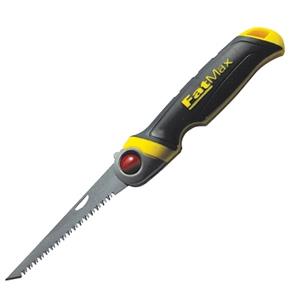
- Chasing openings in plasterboard for sockets, access panels and pipe runs is exactly the sort of awkward work a Stanley FatMax jab saw is made for, as it starts easily and gives you control in tight spots.
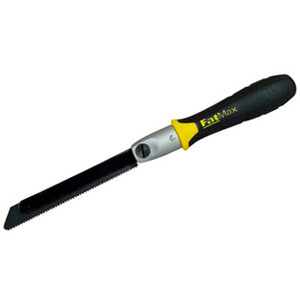
- Trimming finer joinery pieces, mouldings and smaller sections at the bench suits a Stanley FatMax tenon saw, where a stiffer blade helps keep cuts neater and more accurate.
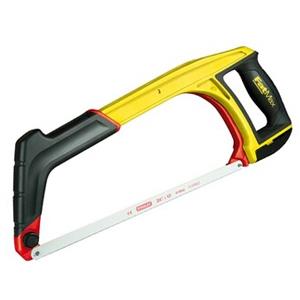
- Cutting metal conduit, threaded rod, bolts and plastic pipe on install and maintenance work is proper Stanley FatMax hacksaw territory, especially when powered kit would be overkill or too clumsy.
- Handling curved cuts in thin timber, trim and light detailing jobs is where a Stanley FatMax coping saw comes into its own, giving decorators, chippies and fitters better control than a standard straight blade.
Choosing the Right FatMax Saw
Sorting the right one is simple: match the saw to the cut, because the wrong blade shape makes an easy job drag on.
1. Hand Saw for General Timber
If you are cutting studs, CLS, battens or sheet timber most days, start with a Stanley FatMax hand saw. It is the everyday option for straight cuts and rough site work, and it is usually the one that gets the most use.
2. Jab Saw for Plasterboard and Access Cuts
If your work involves plasterboard, ceilings or boxing in, get a Stanley FatMax jab saw rather than forcing a larger blade through. It starts cleaner, turns easier, and saves wrecking the board around the cut.
3. Hacksaw for Metal and Plastic
If you are cutting conduit, bolts, trunking or pipe, go for a Stanley FatMax hacksaw. A wood saw will chew up the material and leave a rough finish, while the right frame and blade make the cut quicker and more controlled.
4. Tooth Count and Finish
If the cut is hidden, a coarser tooth pattern gets through stock faster. If the cut will be seen or needs to be tidier, choose a finer blade or a Stanley FatMax tenon saw, because fewer torn fibres means less snagging and less making good.
Who Uses These Saws?
- Chippies keep Stanley FatMax saws close for first fix, studwork and trim jobs where a fast clean hand cut is quicker than setting up a cordless saw.
- Sparkies reach for a Stanley FatMax jab saw when cutting plasterboard for boxes and access points, and a hacksaw for trunking, conduit and threaded rod.
- Plumbers and heating engineers use FatMax saws for plastic pipe, boxing work and general fitting jobs where control matters more than speed.
- General builders and maintenance teams swear by fatmax saws because they can bounce between timber, board and light metal jobs without carrying half the van indoors.
Saw Accessories That Keep You Cutting
A decent saw is only half the story if the blade is worn out or the material is moving about while you cut.
1. Replacement Saw Blades
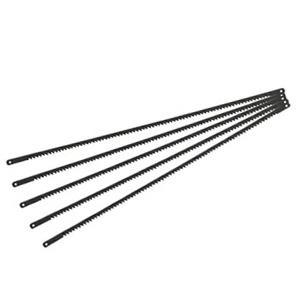
A fresh Stanley FatMax saw blade saves you fighting through cuts with rounded teeth and wandering starts. If the blade is tearing fibres or taking twice as many strokes, swap it before it wastes more time.
2. Mitre Boxes
A mitre box stops those wonky trim and moulding cuts that look fine until you offer them up. It is a simple bit of kit, but it saves a lot of recutting on finish work.
3. Clamps
Clamp the work down properly and the saw does its job far better. You get straighter cuts, less chatter, and you are not wasting one hand trying to hold a board still on a dusty floor.
Choose the Right FatMax Saw for the Job
Use this quick guide to sort the right saw before you start cutting.
| Your Job | Category or Type | Key Features |
|---|---|---|
| General first fix timber and board cutting | Stanley FatMax hand saw | Long blade, aggressive tooth pattern, solid handle for straight fast cuts |
| Cutting plasterboard openings and awkward internal shapes | Stanley FatMax jab saw | Pointed tip, narrow blade, easy starts and good control in tight spaces |
| Trimming mouldings, small timber and finer bench work | Stanley FatMax tenon saw | Stiffer blade, finer cut, better accuracy for neater visible work |
| Cutting conduit, bolts, threaded rod and plastic pipe | Stanley FatMax hacksaw | Rigid frame, replaceable blade, suited to metal and hard plastics |
| Light curved cuts in trim and thin material | Stanley FatMax coping saw | Narrow blade, turning control, useful for shaped detail work |
Common Buying and Usage Mistakes
- Buying one saw and expecting it to do every job usually ends in rough cuts and wasted effort. Keep the main types covered so you are not using a timber saw on conduit or a hacksaw on plasterboard.
- Choosing by blade length alone catches plenty of people out. Tooth pattern and blade type matter just as much, because the wrong setup will cut slowly and leave a poor finish.
- Forcing a blunt or damaged blade through stock is a good way to wander off line and wreck the workpiece. Replace tired blades early, especially on hacksaws and coping saws.
- Starting cuts too hard is another classic mistake. Let the teeth bite first with light strokes, otherwise you will skid across the face and chew up the edge.
- Cutting unsupported material on the floor or off a knee makes even a good FatMax saw feel poor. Clamp it or support it properly and the blade will track straighter with less effort.
Hand Saw vs Tenon Saw vs Hacksaw
Stanley FatMax Hand Saw
This is the all-rounder for site timber, sheet stock and rough sizing. If you are doing first fix or general building work, this is the one that earns its keep fastest, but it is not the best pick for metal or fine trim.
Stanley FatMax Tenon Saw
A tenon saw is better when you need a tidier, more controlled cut on smaller sections, trim or bench work. It gives you more accuracy than a standard hand saw, but it is slower on bulky stock.
Stanley FatMax Hacksaw
This is the right tool for conduit, bolts, rods and plastics where a wood saw would just tear and snag. It is not for timber, but for install work and maintenance it is often the one you need in your hand.
Maintenance and Care
Keep the Teeth Clean
Brush off sawdust, plaster dust and plastic swarf after use so the teeth keep biting properly. A clogged blade drags more and cuts less cleanly.
Store Them Flat and Dry
Do not leave saws loose under heavy gear in the van. Keep them dry and protected so the blade stays straight and the teeth do not get knocked about.
Swap Worn Blades Early
On hacksaws and coping saws, a fresh blade makes more difference than people admit. If the cut slows down, starts wandering or leaves a rough edge, change it out.
Watch for Rust and Resin Build Up
Moisture in the van and sticky timber residue both make the blade drag. Wipe the blade down now and then and deal with surface rust before it gets worse.
Why Shop for FatMax Saws at ITS?
Whether you need a Stanley FatMax hand saw for first fix timber, a jab saw for plasterboard, or a hacksaw for conduit and bolts, we stock the full range. It is all in our own warehouse, in stock and ready for next day delivery, so you can get the right saw on site without hanging about.
Stanley FatMax Saws FAQs
Is the Stanley Fatmax circular saw any good?
Yes, Stanley FatMax circular saws are a solid option for general site cutting if you want cordless convenience and decent build quality. They are well suited to sheet timber, studwork and repeated straight cuts, but on this page the focus is the hand saw range for jobs where quick manual cutting is the better shout.
What saws are in the Stanley FatMax range?
The Stanley FatMax range covers the usual site favourites including hand saws, hacksaws, jab saws, tenon saws and coping saws. That means you can sort most timber, plasterboard, plastic and light metal cutting jobs without mixing in odd bits of kit from different ranges.
Can FatMax hardpoint saw blades be resharpened?
Not really in any practical site sense. Hardpoint teeth are designed to stay sharp for a long time, but once they are gone the usual fix is replacement rather than sharpening, which saves time and gives you a more reliable cut.
What TPI saw should I use for cutting timber?
Lower TPI is generally better for fast rough timber cuts, while higher TPI gives a cleaner finish on finer work. For site carpentry and first fix, most lads go coarser so the saw clears waste quickly, then switch to a finer tenon saw when the finish matters.
What is the difference between FatMax and standard Stanley saws?
FatMax saws are generally the tougher, more site-focused option with better grips, stiffer blades and features aimed at regular trade use. Standard Stanley saws still do the job, but FatMax is the range most buyers look at when the tool is going to live in the van and get used properly.
Will a Stanley FatMax hand saw stay sharp if it is used every day?
Yes, they hold an edge well for regular timber and board work, especially the hardpoint models. That said, they are not magic. If you are cutting dirty reclaimed timber, hitting fixings, or leaving the blade loose in the van, it will wear quicker.
Are Stanley FatMax hacksaws any good for conduit and threaded rod?
Yes, that is exactly the sort of work they are built for. With the right blade fitted and tensioned properly, they cut conduit, bolts and threaded rod cleanly without the fuss of dragging out powered cutting gear for a couple of quick cuts.