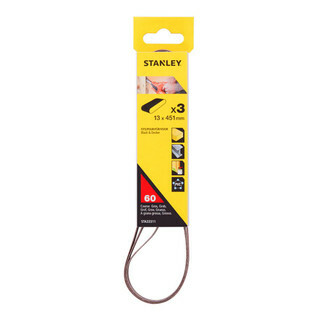
Stanley FatMax Sanding Pads & Sheets
Stanley FatMax sanding sheets are for flattening filler, keying paint, and finishing timber without the paper giving up halfway through the job.
If you are rubbing down doors, trimming back filler on a snag list, or cleaning up timber before paint, decent abrasives matter more than most lads think. Stanley FatMax sanding sheets and FatMax sanding pads are built for regular site use, with grits and fixing types to suit hand sanding and machine work. Match the grit to the stage of the job and buy a few extras, because worn paper just wastes time.
What Are Stanley FatMax Sanding Sheets Used For?
- Rubbing down bare timber before primer or stain, Stanley FatMax sanding sheets help chippies and decorators get a cleaner finish on doors, skirting, architrave, and fitted units.
- Flattening filler on patch repairs and snagging work, FatMax sanding pads cut back high spots quickly without tearing apart after a few passes.
- Keying painted surfaces before recoating, Stanley sanding sheets give enough bite to dull gloss, eggshell, and old paint so the next coat has something to grip to.
- Cleaning up edges and awkward corners by hand, Stanley FatMax sandpaper is handy where powered sanders are too aggressive or simply will not fit.
- Working over metalwork before repainting, the right grit sanding pads can remove light rust, old finish, and surface marks without gouging the job.
Choosing the Right Stanley FatMax Sanding Sheets
Sorting the right sheet is simple. Match the grit and fixing style to the job, not whatever happens to be left in the box.
1. Start with the Right Grit
If you are stripping back rough timber, old paint, or filler, start coarse and work up. If you jump straight in with a fine Stanley FatMax sanding sheet on a rough surface, you will clog it quickly and get nowhere.
2. Check the Fixing Type
Do not assume every sheet fits every sander. If your tool takes hook and loop, buy that. If it uses clamps, go clip-on. Stanley quick fit sanding sheets save a lot of messing about when you are swapping paper through the day.
3. Hand Sanding or Machine Sanding
If you are working mouldings, edges, or tight spots, FatMax sanding pads make more sense because they give you control. For broad flat panels and repeated prep, proper sanding sheets on a sander will get through the work much faster.
4. Buy for the Full Prep Sequence
One grit is rarely enough. If you are finishing joinery or patch repairs, get a coarse, medium, and fine option so you can remove material first and then leave the surface ready for paint, stain, or sealant.
Who Uses These on Site?
- Decorators use Stanley FatMax sanding sheets for prep work between coats, especially when they need to key painted woodwork properly rather than just give it a quick once-over.
- Chippies keep FatMax sanding pads in the van for finishing doors, easing edges, and cleaning up first and second fix timber before handover.
- Maintenance teams reach for Stanley sanding sheets on patch repairs, filler work, and touch-up jobs where dragging out bigger kit is more hassle than the task is worth.
- Metalworkers and site fitters use coarser Stanley FatMax abrasives for cleaning back painted or lightly corroded metal before recoating or fitting.
Useful Extras for Sanding Jobs
A few basic add-ons make sanding quicker, cleaner, and less of a chore when the prep work starts piling up.
1. Sanding Blocks
A sanding block stops the sheet bunching up in your hand and saves you leaving finger marks in filler or soft timber. It is the easy fix for flatter results on hand sanding jobs.
2. Dust Bags or Extraction Adaptors
Get the dust under control, especially inside finished properties. A decent bag or extractor connection saves sweeping up half the room after every pass and stops sheets clogging quite so fast.
3. Mixed Grit Packs
Mixed grit packs stop you getting stuck with the wrong paper halfway through prep. Handy when you need to strip back with one grit and finish properly with another.
Choose the Right Stanley FatMax Sanding Sheets for the Job
Use this as a quick guide before you fill the basket.
| Your Job | Category or Type | Key Features |
|---|---|---|
| Stripping rough timber or heavy filler | Coarse Stanley FatMax sanding sheets | Lower grit for fast stock removal and flattening high spots |
| General prep before paint | Medium grit Stanley sanding sheets | Good balance of cut and finish for keying surfaces without digging in |
| Finishing timber before final coat | Fine Stanley FatMax sandpaper | Smoother finish, lighter scratch pattern, cleaner result under paint or stain |
| Edges, corners, and hand work | FatMax sanding pads | Better control in awkward spots where a machine cannot reach neatly |
| Fast sheet changes on repeat prep work | Stanley quick fit sanding sheets | Quick fitting style that cuts down downtime between grit changes |
Common Buying and Usage Mistakes
- Buying one grit for the whole job is the usual mistake. Coarse paper removes material, but it will not leave a finish ready for paint, so step through the grits properly.
- Choosing the wrong fixing type wastes time and money. Check whether your sander takes hook and loop or clip-on sheets before ordering, otherwise they are no use when they land.
- Carrying on with worn sanding sheets just polishes dust and burns time. If the abrasive is clogged or smooth, swap it out and get the cut back.
- Pressing too hard is another common one. Let the abrasive do the work or you will wear the sheet out quicker and risk gouging filler, timber, or painted surfaces.
- Using fine paper to remove heavy paint or filler sounds careful but usually just blocks the sheet. Start coarser, get the bulk off, then refine the surface after.
Hook and Loop vs Clip On vs Sanding Pads
Hook and Loop Sheets
Best when you are changing grits regularly on a busy prep job. They fit quickly and stay put, but you need a compatible backing pad or they are useless to you.
Clip On Sheets
A solid choice for clamp-style sanders and straightforward flat work. They are simple and reliable, but changing sheets is slower than hook and loop when you are moving through different grits.
Sanding Pads
Better for hand work, shaped surfaces, and quick touch-ups where control matters more than speed. They will not cover large panels as fast as a powered sander, but they are far easier to manage on detail work.
Maintenance and Care
Keep Them Dry
Store sanding sheets flat and dry in the van or workshop. Damp ruins the backing and can curl the sheets before you even use them.
Do Not Let Them Clog Up
Tap out dust regularly or use extraction where possible. Packed abrasive stops cutting properly and makes you lean harder on the tool for no gain.
Bin Worn Sheets Early
Once the grit has gone smooth or the edges start tearing, replace the sheet. Trying to squeeze another room out of dead paper only slows the whole job down.
Protect the Backing
If you are using hook and loop sheets, keep the backing pad clean as well. Dust packed into the face weakens the grip and the sheet starts lifting mid pass.
Why Shop for Stanley FatMax Sanding Sheets at ITS?
Whether you need Stanley FatMax sanding sheets for general prep, fine finishing, or FatMax sanding pads for hand work, we stock the range that trades actually use. Different grits, fixing types, and pack options are all held in our own warehouse, in stock and ready for next day delivery.
Stanley FatMax Sanding Sheets FAQs
What grit sanding sheet should I use for bare wood?
Start coarse only if the timber is rough, weathered, or covered in old finish. For cleaner bare wood, a medium grit is usually the sensible starting point, then move to a finer Stanley FatMax sanding sheet before paint, stain, or varnish. The trick is not to overdo the coarse paper or you will leave scratches to sort out later.
Do Stanley FatMax sanding sheets fit other brands of sander?
Sometimes, yes, but do not assume they will. Check the sheet size, hole pattern, and whether your sander uses hook and loop or clip fixing. If those line up, Stanley sanding sheets can often work across brands. If they do not, you will end up trimming, fighting the fit, or sending them back.
What is the difference between hook and loop and clip-on sanding sheets?
Hook and loop sheets press straight onto the pad and come off quickly when you need to swap grit. Clip-on sheets are clamped into place by the sander. Hook and loop is quicker for repeated changes, while clip-on is common on older or simpler sanders. Neither is better unless it matches your tool and the way you work.
How often should sanding sheets be replaced?
As soon as they stop cutting cleanly. If the grit looks smooth, the sheet is clogged, or you are pressing harder just to get a result, change it. On filler and painted surfaces they can go off quicker than on clean timber, so keeping spare FatMax sanding sheets in the box is just common sense.
Are FatMax sanding sheets suitable for metal as well as wood?
Yes, for light prep work such as keying painted metal, cleaning surface marks, or taking back light rust. You just need the right grit for the job. For heavy rust removal or serious metal stock removal, sanding sheets are not the fastest answer, but for prep before repainting they do the job well.