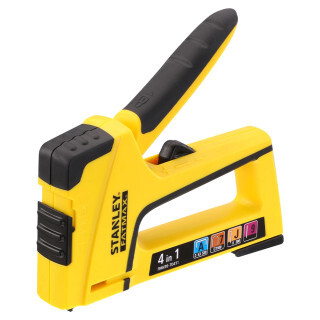
Stanley FatMax More Hand Tools
Stanley FatMax hand tools are built for hard daily graft, from first fix and snagging to strip-out, trimming and general site abuse.
If your gear lives in the van, gets dropped on concrete, and still needs to work properly by tea break, this is the sort of kit worth buying. The Stanley FatMax hand tool range covers the everyday essentials trades actually reach for, with grips that stay usable, blades and edges that hold up, and mechanisms that do not feel flimsy after a week. Whether you need a Stanley FatMax staple gun, utility tools, or a riveter that earns its place in the bag, pick the tools that match the jobs you do most.
What Are Stanley FatMax Hand Tools Used For?
- Cutting plasterboard, insulation, packaging and sheet materials on busy fit-out jobs is where Stanley FatMax utility tools earn their keep, especially when you need a knife that locks up properly and survives constant use.
- Fixing membranes, stapling sheet material, and tacking temporary protection in place is quicker with a Stanley FatMax staple gun that can cope with repeat squeezing without feeling loose in the hand.
- Pulling rivets into thin metal, trims, ducting and site-made panels is a standard job for a Stanley FatMax riveter, particularly on maintenance work and smaller fabrication tasks where speed matters.
- Marking out, gripping, striking and adjusting fittings during first fix and second fix work is exactly what the wider FatMax hand tools range is there for, from the bag-up in the morning to the snag list at the end.
- Keeping a dependable set of Stanley FatMax tools in the van suits trades who are constantly moving between small jobs, because the kit is aimed at the sort of work where tools get used hard rather than admired.
Choosing the Right Stanley FatMax Hand Tools
Match the tool to the job you do every week, not the one-off job you might do once a year.
1. Daily Use vs Occasional Use
If a tool comes out ten times a day, buy the FatMax version with the better grip, stronger body and more solid mechanism. If it only leaves the drawer now and then, do not overbuy just for the badge.
2. Cutting Tools Need Proper Locking and Blade Changes
If you are using knives all shift for board, wrap and insulation, go for Stanley FatMax utility tools with secure blade locking and straightforward blade access. Fiddly blade changes are a waste of time when you are on the move.
3. Match Staplers and Riveters to the Material
If you are fixing light sheet, membranes or protection, a Stanley FatMax staple gun makes sense. If you are joining thin metal or trims, you want a Stanley FatMax riveter instead. Buy the wrong type and the job gets slower fast.
4. Buy Around the Jobs in Your Tool Bag
The best Stanley FatMax hand tool range is the one that covers your regular snagging, fitting and first-fix work. Start with the tools you abuse most, then build out the rest of the fatmax tool range from there.
Who Uses These on Site?
- Sparkies use Stanley FatMax hand tools for day-to-day cutting, trimming and fixing work, especially when they need utility knives, pliers and screwdrivers that stand up to constant bag use.
- Chippies and dryliners reach for fatmax hand tools when fitting boards, trimming materials and stapling membranes, because the tools are made for repetitive hand work rather than occasional DIY use.
- HVAC fitters and maintenance teams keep a Stanley FatMax riveter close for ducting, sheet trims and quick repair work where a solid pull and reliable mechanism save time.
- General builders, snagging teams and site managers rely on the Stanley FatMax hand tool range for the sort of odd jobs that crop up every day, from opening materials and adjusting fittings to sorting quick fixes before handover.
Useful Extras for Stanley FatMax Hand Tools
A few simple extras keep the job moving and stop basic hand tools slowing you down on site.
1. Spare Blades
If you run Stanley FatMax utility tools, keep spare blades in the bag. There is no point wrestling through board, wrap or insulation with a dull edge when a fresh blade sorts it in seconds.
2. Staples
For any Stanley FatMax staple gun, the right staples matter as much as the tool. Wrong size, wrong fit, and you end up with jams, half-fired fixings and more messing about than actual work.
3. Rivets
A Stanley FatMax riveter is only useful if you have the right rivets to hand. Stock the sizes you actually use for trims, ducting or sheet fixes, otherwise the tool sits idle while you hunt parts down.
Choose the Right Stanley FatMax Hand Tools for the Job
Here is the straightforward way to sort the right type for the work in front of you.
| Your Job | Category or Type | Key Features |
|---|---|---|
| Opening packs, trimming board and cutting sheet material | Stanley FatMax utility tools | Secure blade locking, fast blade change and a body that handles repeated site use |
| Fixing membranes, sheeting and temporary protection | Stanley FatMax staple gun | Comfortable grip, reliable staple feed and enough leverage for repeated firing |
| Joining thin metal, trims and ducting | Stanley FatMax riveter | Solid pull action, good access and compatibility with the rivet sizes you actually use |
| General first fix, second fix and snagging | Stanley FatMax hand tools | Durable grips, dependable working parts and a range built around everyday trade tasks |
| Replacing worn-out van staples with better daily kit | Stanley FatMax hand tool range | Trade-focused designs, stronger construction and tools suited to regular hard use |
Common Buying and Usage Mistakes
- Buying a full spread of tools before checking what you actually use is a common mistake. Start with the knives, staplers, riveters or core hand tools you reach for every day, then add the rest as needed.
- Using the wrong blades, staples or rivets causes half the complaints people have with hand tools. Match the consumable to the tool and material or you will end up with poor cuts, jams or weak fixings.
- Leaving utility knives running on blunt blades makes simple work harder than it needs to be. Change blades early and you will cut cleaner, safer and faster.
- Choosing a light-use tool for full-time trade work usually costs more in the long run. If the tool is going to live in your pouch or van and get hammered daily, buy from the Stanley FatMax tools range built for that level of abuse.
- Ignoring comfort on repetitive hand tools is short-sighted. A better grip and smoother action matter when you are squeezing, pulling, cutting or adjusting kit all day.
FatMax Utility Tools vs Staple Guns vs Riveters
Stanley FatMax Utility Tools
These are the everyday cutters for packaging, board, insulation and trim work. If you are constantly marking out and trimming materials, this is the part of the range that gets used hardest and most often.
Stanley FatMax Staple Gun
A staple gun is for fixing light materials quickly, not for cutting or metal joining. It suits sheeting, membranes and temporary protection jobs where speed matters more than a permanent mechanical fixing.
Stanley FatMax Riveter
A riveter is the better choice when you need to join thin metal, trims or duct sections cleanly. It is slower than stapling, but gives a more secure fixing for the right materials.
Maintenance and Care
Clean Off Dust and Adhesive
Wipe hand tools down after use, especially knives, staplers and riveters. Dust, tape glue and general site muck soon make moving parts feel rough and harder to use.
Change Consumables Before They Cause Trouble
Do not run blades until they are wrecked or keep forcing the wrong staples and rivets. Fresh, correctly sized consumables protect the tool and make the job cleaner.
Store Dry in the Van or Box
Leaving steel hand tools wet in the back of the van invites rust and stiff mechanisms. Dry them off and keep them in a toolbox or organiser instead of letting them rattle loose with rubble and fixings.
Check Moving Parts Regularly
On staple guns, riveters and folding or retractable tools, keep an eye on pivots, sliders and locks. If something starts sticking or loosening off, sort it before it fails halfway through a job.
Replace Worn Tools at the Right Time
A scuffed hand tool is fine. One with a bent body, damaged lock or sloppy action is not. When accuracy, grip or safety starts going, replace it and save yourself grief on site.
Why Shop for Stanley FatMax Hand Tools at ITS?
Whether you are after everyday knives, a Stanley FatMax staple gun, a Stanley FatMax riveter or wider FatMax hand tools for the van, we stock the full spread. That means the Stanley FatMax hand tool range is here in depth, in our own warehouse, and ready for next day delivery when the old kit has finally had enough.
Stanley FatMax Hand Tools FAQs
What is included in the Stanley FatMax hand tool range?
The Stanley FatMax hand tool range covers the sort of tools trades actually use every day, including knives and other utility tools, staplers, riveters, measuring gear, striking tools, pliers, screwdrivers and general fixing kit. The exact spread varies by page stock, but it is aimed at proper day-to-day site work rather than light home use.
What makes FatMax different from standard Stanley tools?
In simple terms, FatMax tools are the tougher end of the Stanley range. You usually get stronger construction, better grips and a more trade-focused feel in the hand. They are built for the sort of daily van and site life that quickly shows up weak spots in lighter tools.
Are FatMax hand tools covered by a lifetime warranty?
Many Stanley FatMax hand tools are covered by a limited lifetime warranty, but not every product is treated exactly the same, and consumable or wear parts are a different matter. The sensible move is to check the individual product listing so you know where you stand before buying.
Are FatMax tools suitable for professional daily use?
Yes, that is really the point of the range. Stanley FatMax tools are designed for regular trade use and generally stand up well to the sort of cutting, fixing, pulling and measuring work that happens every day on site. They are tough, but like any tool, they still need the right use and basic care.
Where are Stanley FatMax hand tools made?
Stanley FatMax hand tools are made across a number of manufacturing sites, so there is no single answer for the whole range. Country of origin can vary by product type, so if that matters for your buying decision, check the individual product details before you load the basket.
Will these hold up to getting knocked about in the van?
Yes, they are made for real trade use, so general knocks, bag carry and van storage are exactly the sort of life they are expected to handle. They are tough, but do not treat moving parts badly or leave steel tools wet and buried under rubble if you want them to last.
Are Stanley FatMax utility tools easy to maintain on site?
Yes, as long as you stay on top of the basics. Keep the body clean, change blades before they go blunt, and make sure locks and sliders are free from dust and adhesive build-up. Most problems come from neglect, not the tool itself.