Stanley FatMax Guides and Measures
Stanley FatMax measuring tools are built for setting out, checking levels, and taking accurate site measurements without blades folding or vials letting you down.
When you're marking out stud, checking openings, or pulling a tape across a room on your own, this is the kit that saves time and bad cuts. Stanley FatMax measuring tools are made for proper site use, from a fatmax tape measure with decent standout to stanley fatmax levels, chalk lines, and squares that put up with knocks. If your old measures are bent, worn, or never quite read true, get yourself sorted with gear that earns a place in the pouch.
What Are Stanley FatMax Measuring Tools Used For?
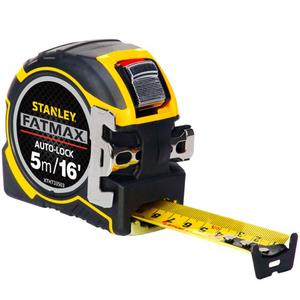
- Setting out timber stud, joist centres, and sheet material is where a fatmax tape measure earns its keep, especially when you need good blade standout for one man measuring.
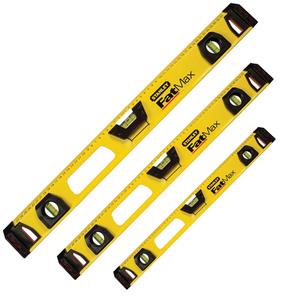
- Checking door linings, kitchen runs, and first fix framing is easier with a stanley fatmax level that stays readable and accurate after living in the van and getting knocked about on site.
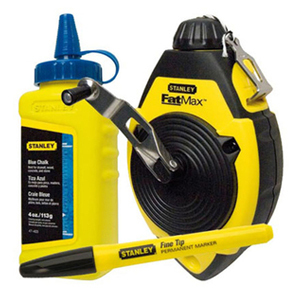
- Marking long straight runs on floors, blockwork, or roofing work is exactly what a stanley fatmax chalk line is for, giving you clean layout lines without messing about with string and pencils.
- Squaring off carcasses, stud partitions, and cut lines on boards is where a stanley fatmax square helps, giving chippies and fitters a fast way to mark repeatable angles.
- Snagging, second fix, and general measuring on refurbs all suit fatmax measuring tools because they are built for constant use, not just the odd job at home.
Choosing the Right Stanley FatMax Measuring Tools
Match the tool to the layout job. A tape is not a level, and buying the wrong bit of measuring kit just slows the day down.
1. Tape Length and Standout
If you are mostly on kitchen fits, studwork, and indoor second fix, a shorter fatmax tape measure is easier on the belt and quicker to grab. If you are setting out bigger spaces, roofs, or external work, go longer and make sure the standout is good enough for one person use.
2. Level Length
If you are checking cabinets, sockets, and small openings, a shorter stanley fatmax level is easier to carry and use in tight spots. For door sets, stud walls, and longer runs, go bigger so you can see dips and twist properly instead of guessing off a short level.
3. Squares and Chalk Lines for Set Out
If your work is heavy on timber, boards, or roofing cuts, do not stop at just a tape. A stanley fatmax square speeds up marking and repeat cuts, while a stanley fatmax chalk line is the right call for long floor, wall, or roof lines where a pencil line will wander.
4. Durability Over Cheap Replacements
If your gear lives in the van, gets dropped, or is used day in day out, buy the tougher fatmax measuring tools first time. A cheaper tape with poor standout or a level that knocks out of true soon costs more in wasted cuts and rework.
Who Uses These on Site?
- Chippies use stanley fatmax measures every day for first fix, roofing, and sheeting out, because a tape that stands out well and a square that reads true save time on repeat cuts.
- Sparkies keep a fatmax tape measure and chalk line handy for setting out cable routes, socket heights, and tray runs, especially when they are working solo across wider rooms.
- Brickies and groundworkers rely on stanley fatmax level and line tools for keeping blockwork, kerbs, and edges running straight without constant rechecking.
- Kitchen fitters, joiners, and shopfitters swear by this kit for tight finishing work, where a bent blade or inaccurate vial soon shows up in gaps, wonky doors, and call-backs.
- Site managers and maintenance teams use fatmax measuring tools for quick checks, snagging, and layout jobs because they hold up better than cheaper measures that get sloppy too fast.
Measuring Accessories That Keep the Job Moving
A few sensible add-ons save rework, keep your measures readable, and stop you getting caught short halfway through set out.
1. Replacement Chalk and Refill Bottles
If you use a stanley fatmax chalk line properly, you will run out. Keep refill chalk in the van or you will end up stretching the last dusty line across a floor and wondering why nobody can follow it.
2. Tape Measure Holsters and Clips
A proper holster or solid belt clip stops your fatmax tape measure disappearing under boards or getting left on the last floor. It also saves the hook and casing from being smashed about in the bottom of the bag.
3. Pencils and Marking Tools
No point carrying accurate stanley fatmax measuring tools if you are marking with a blunt bit of rubbish. Decent site pencils or fine markers make your lines readable and your cuts cleaner.
Choose the Right Stanley FatMax Measuring Tools for the Job
Use this quick guide to sort the right measuring kit for the work in front of you.
| Your Job | Category or Type | Key Features |
|---|---|---|
| General first fix measuring and solo set out | FatMax tape measure | Good standout, clear markings, strong hook, casing that takes knocks |
| Checking door frames, cabinets, and wall runs | Stanley FatMax level | Accurate vials, easy-read frame, length suited to the run you are checking |
| Marking long floor, wall, or roof lines | Stanley FatMax chalk line | Clean line release, fast rewind, tough case, easy refill |
| Squaring timber, boards, and repeat cut marks | Stanley FatMax square | Clear graduations, solid body, fast angle marking, reliable edge |
| Snagging and day to day van kit | Mixed FatMax guides and measures | Compact sizes, durable build, easy carry, quick grab for checks and mark out |
Common Buying and Usage Mistakes
- Buying a tape on length alone is a common mistake. If the standout is poor for the work you do, you will fight the blade all day and end up needing a second pair of hands for simple measurements.
- Using a short level for long runs gives you a false sense of accuracy. It might look fine over a small section, but dips and twist show up later when the units, frames, or block lines are already fixed.
- Letting chalk lines run with old or damp chalk leads to faint, messy marks that nobody can follow properly. Keep the line filled and dry or your layout work turns into guesswork.
- Throwing measuring kit loose in the van soon wrecks blades, knocks vials, and rounds off edges. Store tapes, levels, and squares properly if you want them to stay accurate.
- Using a bent or worn tape hook because it still sort of works is asking for bad cuts. If the end hook is damaged or the blade is creased, replace it before it costs you timber or finish work.
Tape Measures vs Levels vs Chalk Lines
FatMax Tape Measure
This is your everyday grab first tool for dimensions, centres, and quick mark out. It is the right choice when you need speed and decent standout, but it will not tell you if a frame, floor, or run is actually level.
Stanley FatMax Level
Use this when straight and true matters more than raw dimensions. A level is what you want for openings, units, lintels, and framing, but it is not a replacement for a tape when you are marking repeated measurements.
Stanley FatMax Chalk Line
Best for long visible layout lines across floors, roofs, and wall sections where a tape and pencil are too slow. It is brilliant for set out, but it does not replace a square or level when angles and finished alignment matter.
Stanley FatMax Square
This is the fast answer for right angles, repeat marks, and trimming sheet or timber accurately. It beats guessing off a tape, but it is for shorter marking work rather than long distance set out.
Maintenance and Care
Wipe Down After Dusty Work
Brick dust, plaster, and chalk get everywhere. Wipe tapes, levels, and squares down after use so markings stay readable and moving parts do not gum up.
Retract Tape Blades Properly
Do not let the blade snap back flat out. Feed it back under control or you will damage the hook, crease the blade, and shorten the life of the tape.
Keep Levels and Squares Protected
Do not bury them under breakers, drills, and fixings in the van. Protect straight edges and vials from heavy knocks if you want your stanley fatmax level and square to stay trustworthy.
Store Chalk Lines Dry
Moisture clumps chalk and ruins line quality. Keep the chalk line sealed and dry or the next time you snap a line it will come out patchy and weak.
Replace Worn Accuracy Points
If a tape hook is bent, a blade is creased, or a square edge is damaged, stop trusting it. Measuring kit only earns its keep when it still reads true, so replace worn pieces before they cost you rework.
Why Shop for Stanley FatMax Measuring Tools at ITS?
Whether you need a single fatmax tape measure, a stanley fatmax level for daily first fix, or more of the fatmax guides and measures range, we stock the lot. ITS carries a proper range of Stanley FatMax measuring tools in our own warehouse, ready for fast next day delivery so you can replace worn kit and get straight back on the job.
Stanley FatMax Measuring Tools FAQs
What measuring tools are in the Stanley FatMax range?
The Stanley FatMax range covers the core bits most trades actually use day to day. That usually means fatmax tape measure options, stanley fatmax level models, chalk lines, squares, and other site measuring and layout tools built to take more abuse than light DIY gear.
How far does a FatMax tape measure stand out unsupported?
It depends on the exact model, but FatMax tapes are known for stronger standout than standard tapes, which is why so many trades buy them for one man measuring. Check the product spec on the individual tape, because standout differs by length and blade design.
Are FatMax tape measures blade-armoured?
Many Stanley FatMax tape models use BladeArmor on the first section of the blade, which is the bit that usually gets wrecked first. It helps the tape last longer around rough timber, block edges, and repeated pull-outs, but always check the exact model details if that feature matters to you.
What is the difference between FatMax and standard Stanley tapes?
FatMax tapes are generally built tougher, with better standout, a chunkier casing, and more site-focused durability than standard Stanley tapes. If your tape lives in a pouch five days a week and gets dropped, dragged, and used hard, FatMax is usually the better shout.
Are FatMax levels milled for accuracy?
Some Stanley FatMax levels are milled to improve accuracy on the working edge, but not every level in the wider range will be identical. The sensible move is to check the individual product spec, especially if you are buying for kitchen fitting, joinery, or any work where small errors show up fast.
Will these measuring tools hold up to everyday site abuse?
Yes, that is the point of the FatMax range. They are made for regular trade use and are tougher than budget measures, but be realistic. A tape blade can still crease, a level can still be knocked out if you treat it badly, and any accurate tool lasts longer if you store it properly.