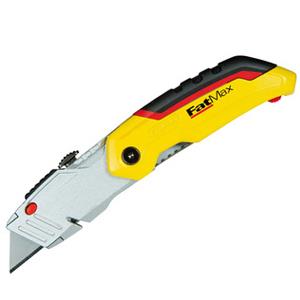
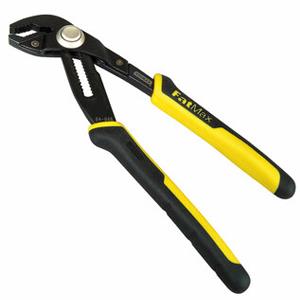
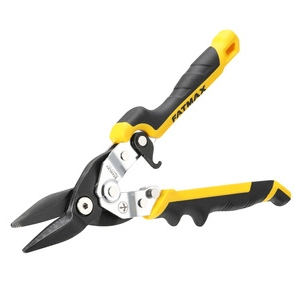
Stanley FatMax Cutting Tools
Stanley FatMax cutting tools are built for tough site trimming, slicing and snipping, from sheet material and cable sheathing to packaging and general first fix jobs.
When you're opening board, trimming membrane, cutting back insulation or snipping sheet on a busy job, this is the sort of kit worth having to hand. Stanley FatMax cutting tools are made for proper trade use, with fatmax knives, snips, pliers and blades that stand up to daily abuse and feel right even with gloves on. If your old cutters twist, slip or blunt too quickly, step up to gear that earns its place in the pouch.
What Jobs Are Stanley FatMax Cutting Tools Best At?
- Trimming plasterboard, insulation, roofing felt and membrane on first fix is where fatmax knives come into their own, giving you a solid grip and clean control when the pace picks up.
- Cutting strapping, packaging, carpet, underlay and site wrap during deliveries and fit-out is quicker with a Stanley FatMax utility knife that opens fast and takes a fresh edge properly.
- Snipping sheet metal, trunking, mesh and thin section materials on ducting, roofing and cladding jobs is exactly the sort of work Stanley FatMax snips are built to handle.
- Gripping, twisting and cutting wire, ties and stubborn fixings during install and snagging is easier with Stanley FatMax pliers that do not feel flimsy halfway through the day.
- Swapping in Stanley FatMax blades for worn edges keeps cuts neat on site, which matters when rough tears in finished materials mean extra trimming and wasted stock.
Choosing the Right Stanley FatMax Cutting Tools
Sort the right one by the material in front of you, not just by what fits in your pocket.
1. Knife, Snips or Pliers
If you are mainly trimming board, wrap, insulation or sheet membrane, go for a Stanley FatMax utility knife. If you are cutting thin metal, mesh or trunking, use Stanley FatMax snips or shears instead. If the job is more about gripping, twisting and cutting wire, Stanley FatMax pliers make more sense than forcing a knife to do the wrong work.
2. Blade Changes Matter
If you are burning through edges all day, pick a Stanley FatMax knife that makes blade swaps quick and straightforward. A sharp blade saves more time than people admit, and it is far safer than carrying on with one that drags and slips.
3. Handle Grip for All Day Use
If the tool is in your hand for hours, do not ignore the grip. FatMax handles are worth it when you are working in gloves, in the wet, or making repeated cuts where a skinny handle starts biting into your palm.
4. Match the Tool to the Abuse
If it is just occasional trimming round the van, a basic knife will do. If it is site use five days a week, cutting tougher materials and getting knocked about in a pouch, the Stanley FatMax cutting tools range is the better shout.
Who Uses These on Site?
- Sparkies keep a Stanley FatMax knife and pliers in the pouch for stripping back sheathing, trimming trunking and dealing with cable ties during first and second fix.
- Dryliners and chippies swear by fatmax knives for repeated cuts in board, insulation, packers and sheet materials where a poor handle soon starts hurting your hand.
- Roofers, cladders and HVAC fitters reach for Stanley FatMax snips and shears when cutting thin metal, mesh and flashings that would chew through lighter tools.
- General builders and maintenance teams use Stanley FatMax cutting tools for the everyday jobs that never stop, from breaking down packaging to trimming materials for a clean handover.
Accessories to Keep Your Stanley FatMax Cutting Tools Working
The right extras save faff on site and stop a simple cutting job turning into a hunt through the van.
1. Replacement Blades
A fresh pack of Stanley FatMax blades is a no-brainer. Keep cutting with a blunt edge and you will start tearing materials, slipping off the line and making more work for yourself.
2. Blade Dispensers or Storage
Proper blade storage stops loose blades ending up in pockets, tool bags or the van floor. It is safer, tidier and means you can swap out quickly without rummaging about.
3. Tool Pouches
A decent pouch keeps your Stanley FatMax knife, snips or pliers where you can grab them fast. That matters when you are up steps, on scaffold or moving between cuts all day.
Choose the Right Stanley FatMax Cutting Tools for the Job
Use this quick guide to sort the right cutter for the material and task.
| Your Job | Category or Type | Key Features |
|---|---|---|
| Trimming plasterboard, membrane or insulation | Stanley FatMax utility knife | Fast blade changes, secure grip, good control for repeated scoring and trimming |
| Opening packaging, site wrap and strapping | Fatmax knives | Easy carry, quick access, replaceable blades and less drag through mixed materials |
| Cutting thin sheet metal, mesh or flashing | Stanley FatMax snips | Designed for metal cutting, better leverage and cleaner cuts than forcing a knife through it |
| Gripping and cutting wire or ties | Stanley FatMax pliers | Solid jaws, proper grip and more control for twisting, pulling and cutting small fixings |
| Keeping knives working through a long shift | Stanley FatMax blades | Fresh cutting edge, cleaner finish and less chance of slips from worn blades |
Common Buying and Usage Mistakes
- Using a utility knife on sheet metal is a classic wrong choice. It slows the job, ruins blades and risks the knife slipping, so use Stanley FatMax snips or shears where metal is involved.
- Carrying on with a blunt blade wastes more time than it saves. Swap in fresh Stanley FatMax blades as soon as cuts start dragging or tearing materials.
- Buying on price and ignoring handle comfort is short-sighted if the tool lives in your hand all day. A better grip pays back quickly in control and less hand strain.
- Not matching pliers to the actual job leads to chewed jaws and poor cuts. If you are regularly twisting wire and cutting ties, get proper Stanley FatMax pliers rather than making do with a knife or snips.
- Throwing loose blades into a pocket or tool bag is asking for trouble. Keep them stored properly so blade changes stay safe and you are not digging around blind.
FatMax Knives vs Snips vs Pliers
Stanley FatMax Utility Knife
Best for scoring, trimming and slicing softer site materials like board, wrap, insulation and carpet. It is the everyday carry option, but it is not the tool for metal cutting or heavy twisting.
Stanley FatMax Snips
Best for sheet metal, mesh, flashing and similar materials where a blade would struggle. If your cuts are in thin metal and need control, snips are the proper job and save wrecking knives.
Stanley FatMax Pliers
Best when the job is gripping, twisting, pulling or cutting wire and ties rather than slicing. They give you leverage and control a knife simply cannot, especially on install and snagging work.
Maintenance and Care
Keep Blades Fresh
Do not wait until the knife is dragging badly. Change blades early and you will get cleaner cuts, better control and less chance of the tool slipping off the line.
Wipe Down After Dirty Jobs
Adhesive, dust and damp site muck soon build up on knives, snips and pliers. A quick clean after use keeps mechanisms moving freely and stops grips getting slick.
Store Blades Safely
Keep replacement Stanley FatMax blades in a proper dispenser or case, not loose in the pouch. It is safer and it stops edges getting chipped before you even fit them.
Check Snips and Pliers for Damage
If the jaws are nicked, loose or out of line, the tool will start chewing material instead of cutting it cleanly. At that point, sort the tool or replace it before it costs you time on site.
Keep Them Dry Between Shifts
Leaving cutting tools wet in the van is a good way to shorten their life. Dry them off before storage, especially after outside work, to help prevent corrosion around blades and pivots.
Why Shop for Stanley FatMax Cutting Tools at ITS?
Whether you need fatmax knives, Stanley FatMax blades, snips, pliers or a Stanley FatMax utility knife for everyday site work, we stock the full range in one place. It is all held in our own warehouse, ready for next day delivery, so you can get the right cutting tools on the van without hanging about.
Stanley FatMax Cutting Tools FAQs
What cutting tools are in the Stanley FatMax range?
The Stanley FatMax range covers the site basics properly, including fatmax knives, Stanley FatMax blades, snips, shears and pliers. It is the sort of range you buy when you want one family of cutting and gripping tools that can handle daily trimming, slicing, snipping and general fix-up work on site.
Are FatMax blades compatible with standard Stanley knives?
In many cases, yes, if the blade pattern matches the knife design. The sensible move is to check the blade type and holder style before ordering, because not every Stanley FatMax blade suits every older or different Stanley knife body.
What is the difference between FatMax and standard Stanley cutting tools?
FatMax tools are generally aimed harder at trade use. You usually get a more solid build, better grip, chunkier handles and a design that stands up better to being used day in, day out on site rather than just now and then at home.
Do FatMax knives have a bi-material handle?
Many Stanley FatMax knives do use a bi-material handle, and it is one of the reasons trades stick with them. It gives you a firmer, more comfortable hold, especially when your hands are dusty, damp or gloved up, but always check the individual product spec as not every knife is identical.
Are FatMax snips suitable for cutting metal sheet?
Yes, that is exactly where Stanley FatMax snips earn their keep. They are made for cutting thin sheet metal and similar materials far more safely and neatly than trying to force a utility knife through the job.
Will these hold up to being knocked about in a tool bag?
Yes, they are built for trade use and daily carry, not sitting on a shelf. That said, they are tough, not indestructible, so keeping blades stored properly and not using the wrong tool on the wrong material will make them last a lot longer.