Saws

Power saws are the kit you reach for when timber, sheet, metal or strip-out work needs doing properly, quickly and without fighting the cut.

On a real job, the right saw saves time, saves rework, and stops you butchering good material with the wrong bit of kit. This range covers corded and cordless saws for everything from first fix framing and sheet cutting to trim work, demo, and workshop prep. If you're sorting site saws or just replacing a tired machine, match the saw to the cut and get the job moving.

What Are Power Saws Used For?

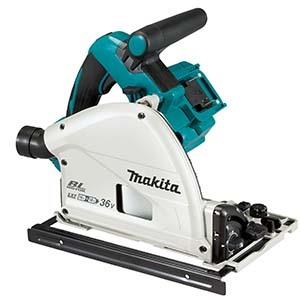
  • Cutting joists, stud timber, sheet materials and roofing boards on first fix is where circular saws earn their keep, especially when you need straight, repeatable cuts all day.
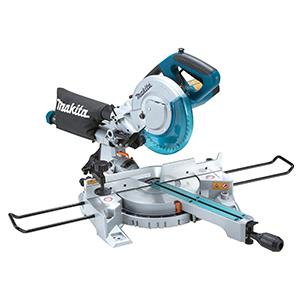
  • Trimming skirting, architrave, flooring, battens and finished joinery is best handled by mitre saws, where clean angles and consistent lengths matter more than brute force.
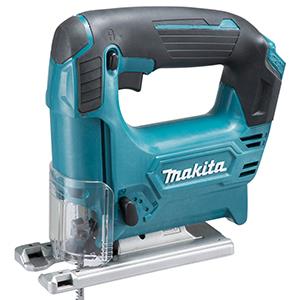
  • Working around sinks, pipes, sockets and awkward shapes in kitchens, bathrooms and fit-out jobs is exactly what jigsaws are for, because they let you follow curves and internal cut lines properly.
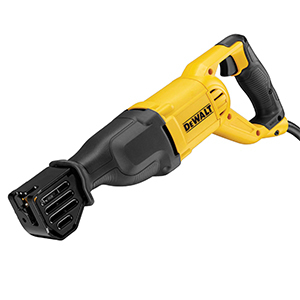
  • Stripping out old stud, pipework, pallets, fixings and mixed materials during refurb and demolition is the bread and butter of reciprocating saws, especially where speed matters more than a tidy edge.
  • Breaking down large boards, doors, worktops and sheet stock before fitting makes corded and cordless saws proper time savers, whether you are in the workshop, on site, or cutting beside the van.

Who Uses These on Site?

  • Chippies and joiners rely on power saws for first fix, second fix and bench work, whether they are ripping carcass timber, trimming doors, or cutting neat mitres for finish work.
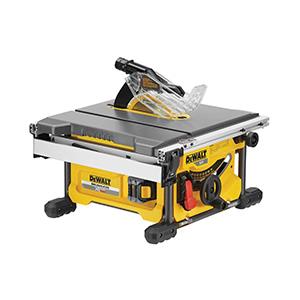
  • Roofers and timber frame crews use circular saws and site saws for repetitive structural cutting, because they need straight cuts that stay accurate across a full day on the build.
  • Kitchen fitters and shopfitters keep jigsaws and plunge-style cutting tools close by for worktops, panels and awkward cut-outs where a rough edge will show straight away.
  • Demolition teams, plumbers and electricians reach for reciprocating saws during strip-out, because they will get through old timber, plastic pipe, nails and mixed junk without too much fuss.
  • Maintenance teams and general builders tend to carry a mix of corded and cordless saws so they can handle anything from quick snagging cuts to heavier workshop or site prep jobs.

Choosing the Right Power Saws

Sorting the right one is simple: match the saw to the cut, not the badge or the price.

1. Straight cuts or shaped cuts

If you are ripping sheet or cutting timber to length, start with a circular saw or mitre saw. If you need curves, cut-outs or awkward notches round services, get a jigsaw. Buying one to do the other's job just slows you down and ruins the finish.

2. Clean finish or fast strip-out

If the cut will be seen, use a saw built for control and accuracy, not demolition. For skirting, worktops and finished boards, go cleaner and slower. If you are tearing through old stud, pipe and fixings, a reciprocating saw is the right answer and you will not care about a cabinet-grade edge.

3. Cordless for access, corded for long runs

If you are moving room to room, working up scaffolds, or cutting outside before power is sorted, cordless makes life easier. If the saw is living on a bench or doing repeated heavy cuts all day, corded still makes sense because you are not watching battery levels or swapping packs mid-job.

4. Blade size and depth matter

Do not buy on motor power alone. Check the actual cut depth and blade size against the material you cut most. If you are constantly doing 47mm timber, sheet goods, flooring or metal sections, make sure the saw is set up for that work or you will end up doing awkward second passes.

The Basics: Understanding Power Saws

Most buying mistakes happen when people pick the wrong saw type for the cut. Here is the simple version that actually matters on site.

1. Circular and Mitre Saws for Straight Accuracy

These are for straight lines and repeat cuts. Circular saws are the go-to for ripping sheet and cutting timber on the move. Mitre saws stay put and give you cleaner, more repeatable crosscuts and angle cuts for trim, studwork and finishing jobs.

2. Jigsaws for Curves and Cut-Outs

A jigsaw moves a narrow blade up and down, which lets you steer it through curved lines, sink cut-outs and awkward corners. It is not the fastest option for long straight cuts, but it is the one that gets you around shapes without wrecking the board.

3. Reciprocating Saws for Demolition Work

These are built for access and aggression rather than a tidy finish. The blade punches back and forth through timber, metal and mixed materials, so they are ideal for strip-out, pipe cutting and rough removal where you need to get through what is in front of you.

Power Saw Accessories That Keep the Job Moving

A decent saw is only half the story. The right extras stop wasted cuts, dead batteries and walks back to the van.

1. Spare Blades

Get the right blades for timber, sheet, finish work, metal and demolition. Running one tired blade for everything is how cuts burn, wander and chew the material up.

2. Guide Rails and Fences

If you are cutting sheet goods, worktops or doors, a rail or guide fence saves you from wonky cuts and endless marking out. It is the difference between making it fit first time and trimming twice.

3. Spare Batteries and Chargers

For cordless saws, a spare battery is a no-brainer. Do not get halfway through a stack of boards or up on a roof and find the saw is dead with the charger still in the van.

4. Dust Bags and Extraction Adaptors

On indoor fit-out and finish work, dust collection matters. A proper adaptor or bag keeps the line visible, cuts down clean-up, and stops finished rooms getting covered in sawdust.

Choose the Right Power Saws for the Job

Use this quick guide to sort the saw type before you spend the money.

Your Job Category or Type Key Features
Ripping sheets, cutting joists, general first fix Circular saws Good cut depth, straight tracking, easy bevel adjustment, cordless if you are moving about site
Trim work, repeat crosscuts, accurate angle cuts Mitre saws Stable base, accurate mitre stops, decent capacity for skirting, architrave and stud timber
Sink cut-outs, curved cuts, awkward shapes Jigsaws Good line control, blade change speed, orbital settings, clean cut blades for visible work
Strip-out, pipe cutting, rough demolition Reciprocating saws Fast blade changes, solid grip, enough stroke and power for mixed materials and cramped access
Clean sheet cutting and fitted board work Plunge saws and track-compatible saws Guide rail compatibility, splinter control, cleaner edges on doors, panels and worktops

Common Buying and Usage Mistakes

  • Buying a saw before thinking about the material is the big one. A saw that is spot on for stud timber will be the wrong choice for clean sheet cuts or metal, so start with the job and blade type first.
  • Choosing the wrong blade and blaming the saw wastes both time and money. If the cut is tearing out, burning or bouncing, the blade is often the issue, not the machine.
  • Going cordless for heavy bench work without enough batteries is asking for downtime. If the saw is cutting all day in one place, corded may be the smarter buy unless you already run plenty of packs.
  • Using a reciprocating saw where a cleaner saw is needed leaves you with rough edges and extra snagging. It is brilliant for demo, but it is not the answer for finish joinery.
  • Ignoring cut capacity catches people out on site. Always check depth of cut, mitre range or stroke length against the material you actually use, or you will end up forcing the tool and doing second passes.

Circular Saws vs Mitre Saws vs Jigsaws

Circular Saws

Best for straight cuts in timber and sheet materials when you need to move round site. They are quicker and more flexible than a mitre saw, but not as tidy for repeated angle cuts or finish joinery.

Mitre Saws

Best for accurate crosscuts, mitres and repeated lengths at a bench or set work area. They give a cleaner, more controlled result than a circular saw, but they are less practical if you need to cut large sheets or move constantly.

Jigsaws

Best for curves, cut-outs and awkward trimming jobs that the other two cannot handle neatly. They are slower on long straight cuts, but they win when you need control round corners, pipes or templates.

Reciprocating Saws

Best for demolition, strip-out and cutting through mixed materials in cramped spots. They are the fastest way to get rid of old work, but if you need a neat finished edge, buy something else.

Maintenance and Care

Keep Blades Clean and Sharp

A blunt or gummed-up blade makes any saw feel rough. Clean resin and dust off regularly, replace damaged teeth early, and stop forcing the cut before you cook the motor.

Brush Out Dust and Debris

Sawdust packs into guards, vents and moving parts, especially on site saws and mitre saws. A quick blow-out and wipe-down after use keeps adjustments moving properly and helps the motor breathe.

Check Cables, Batteries and Guards

Before each job, make sure cords are not nicked, batteries are seated properly, and guards return as they should. If a guard sticks or a battery fit feels loose, sort it before it becomes a bigger problem.

Store Them Dry and Protected

Do not leave saws bouncing round the van under damp gear. Cases, boxes and dry storage stop bent bases, rust on bare steel parts, and knocks that throw the saw out of square.

Repair When the Tool Is Sound, Replace When It Is Not

Blades, brushes, fences and minor consumable parts are worth changing. If the base is bent, the motor is struggling, or accuracy has gone and will not come back, stop throwing time at it and replace the saw.

Why Shop for Power Saws at ITS?

Whether you need circular saws, mitre saws, jigsaws, reciprocating saws or other power cutting tools, we stock the full range for real site work. From compact cordless options to larger site saws for repeated cutting, it is all in our own warehouse and ready for next day delivery across the UK.

Power Saws FAQs

What types of power saws are best for site work?

For general site work, circular saws and reciprocating saws are usually the first two most trades reach for. Circular saws handle timber, sheet and first fix cutting properly, while reciprocating saws are made for strip-out and awkward demolition. If you are doing trim or repeat angle cuts, add a mitre saw. If you are cutting shapes or sink openings, you want a jigsaw.

Should I choose a cordless or corded saw?

Choose cordless if you are moving round site, working outside, or cutting where power is a pain. Choose corded if the saw is staying in one place and doing heavy, repeated cuts for long periods. Cordless is more convenient, but only if you have enough battery to support it properly.

Which saw is best for cutting timber, sheet materials, or metal?

For timber and sheet materials, a circular saw is usually the best all-round starting point. For shaped cuts in board, a jigsaw is better. For metal, it depends on the section and finish required, but the key thing is using the correct saw type with the correct blade. The blade choice matters as much as the saw itself.

What is the difference between a circular saw, mitre saw, jigsaw, and reciprocating saw?

A circular saw is your general straight-line cutter for timber and sheet. A mitre saw is for accurate crosscuts and angle cuts at a bench. A jigsaw is for curves, cut-outs and fiddly shaping. A reciprocating saw is for demolition and rough cutting where access and speed matter more than a neat finish.

Do I need a plunge saw or a circular saw for clean finish cuts?

If clean finish cuts are the priority, especially on sheet materials, doors and worktops, a plunge saw with a rail is usually the better choice. A circular saw is more flexible and faster for general site work, but it is harder to match the finish quality of a proper plunge setup.

Which saw is best for demolition and strip-out work?

A reciprocating saw is the standard answer for demolition and strip-out. It will get through old timber, pipe, plasterboard fixings and mixed rubbish in awkward positions without much setup. It is not pretty, but for getting material out fast, it is the one you want.
Read more

Saws

Power saws are the kit you reach for when timber, sheet, metal or strip-out work needs doing properly, quickly and without fighting the cut.

On a real job, the right saw saves time, saves rework, and stops you butchering good material with the wrong bit of kit. This range covers corded and cordless saws for everything from first fix framing and sheet cutting to trim work, demo, and workshop prep. If you're sorting site saws or just replacing a tired machine, match the saw to the cut and get the job moving.

What Are Power Saws Used For?

  • Cutting joists, stud timber, sheet materials and roofing boards on first fix is where circular saws earn their keep, especially when you need straight, repeatable cuts all day.
  • Trimming skirting, architrave, flooring, battens and finished joinery is best handled by mitre saws, where clean angles and consistent lengths matter more than brute force.
  • Working around sinks, pipes, sockets and awkward shapes in kitchens, bathrooms and fit-out jobs is exactly what jigsaws are for, because they let you follow curves and internal cut lines properly.
  • Stripping out old stud, pipework, pallets, fixings and mixed materials during refurb and demolition is the bread and butter of reciprocating saws, especially where speed matters more than a tidy edge.
  • Breaking down large boards, doors, worktops and sheet stock before fitting makes corded and cordless saws proper time savers, whether you are in the workshop, on site, or cutting beside the van.

Who Uses These on Site?

  • Chippies and joiners rely on power saws for first fix, second fix and bench work, whether they are ripping carcass timber, trimming doors, or cutting neat mitres for finish work.
  • Roofers and timber frame crews use circular saws and site saws for repetitive structural cutting, because they need straight cuts that stay accurate across a full day on the build.
  • Kitchen fitters and shopfitters keep jigsaws and plunge-style cutting tools close by for worktops, panels and awkward cut-outs where a rough edge will show straight away.
  • Demolition teams, plumbers and electricians reach for reciprocating saws during strip-out, because they will get through old timber, plastic pipe, nails and mixed junk without too much fuss.
  • Maintenance teams and general builders tend to carry a mix of corded and cordless saws so they can handle anything from quick snagging cuts to heavier workshop or site prep jobs.

Choosing the Right Power Saws

Sorting the right one is simple: match the saw to the cut, not the badge or the price.

1. Straight cuts or shaped cuts

If you are ripping sheet or cutting timber to length, start with a circular saw or mitre saw. If you need curves, cut-outs or awkward notches round services, get a jigsaw. Buying one to do the other's job just slows you down and ruins the finish.

2. Clean finish or fast strip-out

If the cut will be seen, use a saw built for control and accuracy, not demolition. For skirting, worktops and finished boards, go cleaner and slower. If you are tearing through old stud, pipe and fixings, a reciprocating saw is the right answer and you will not care about a cabinet-grade edge.

3. Cordless for access, corded for long runs

If you are moving room to room, working up scaffolds, or cutting outside before power is sorted, cordless makes life easier. If the saw is living on a bench or doing repeated heavy cuts all day, corded still makes sense because you are not watching battery levels or swapping packs mid-job.

4. Blade size and depth matter

Do not buy on motor power alone. Check the actual cut depth and blade size against the material you cut most. If you are constantly doing 47mm timber, sheet goods, flooring or metal sections, make sure the saw is set up for that work or you will end up doing awkward second passes.

The Basics: Understanding Power Saws

Most buying mistakes happen when people pick the wrong saw type for the cut. Here is the simple version that actually matters on site.

1. Circular and Mitre Saws for Straight Accuracy

These are for straight lines and repeat cuts. Circular saws are the go-to for ripping sheet and cutting timber on the move. Mitre saws stay put and give you cleaner, more repeatable crosscuts and angle cuts for trim, studwork and finishing jobs.

2. Jigsaws for Curves and Cut-Outs

A jigsaw moves a narrow blade up and down, which lets you steer it through curved lines, sink cut-outs and awkward corners. It is not the fastest option for long straight cuts, but it is the one that gets you around shapes without wrecking the board.

3. Reciprocating Saws for Demolition Work

These are built for access and aggression rather than a tidy finish. The blade punches back and forth through timber, metal and mixed materials, so they are ideal for strip-out, pipe cutting and rough removal where you need to get through what is in front of you.

Power Saw Accessories That Keep the Job Moving

A decent saw is only half the story. The right extras stop wasted cuts, dead batteries and walks back to the van.

1. Spare Blades

Get the right blades for timber, sheet, finish work, metal and demolition. Running one tired blade for everything is how cuts burn, wander and chew the material up.

2. Guide Rails and Fences

If you are cutting sheet goods, worktops or doors, a rail or guide fence saves you from wonky cuts and endless marking out. It is the difference between making it fit first time and trimming twice.

3. Spare Batteries and Chargers

For cordless saws, a spare battery is a no-brainer. Do not get halfway through a stack of boards or up on a roof and find the saw is dead with the charger still in the van.

4. Dust Bags and Extraction Adaptors

On indoor fit-out and finish work, dust collection matters. A proper adaptor or bag keeps the line visible, cuts down clean-up, and stops finished rooms getting covered in sawdust.

Choose the Right Power Saws for the Job

Use this quick guide to sort the saw type before you spend the money.

Your Job Category or Type Key Features
Ripping sheets, cutting joists, general first fix Circular saws Good cut depth, straight tracking, easy bevel adjustment, cordless if you are moving about site
Trim work, repeat crosscuts, accurate angle cuts Mitre saws Stable base, accurate mitre stops, decent capacity for skirting, architrave and stud timber
Sink cut-outs, curved cuts, awkward shapes Jigsaws Good line control, blade change speed, orbital settings, clean cut blades for visible work
Strip-out, pipe cutting, rough demolition Reciprocating saws Fast blade changes, solid grip, enough stroke and power for mixed materials and cramped access
Clean sheet cutting and fitted board work Plunge saws and track-compatible saws Guide rail compatibility, splinter control, cleaner edges on doors, panels and worktops

Common Buying and Usage Mistakes

  • Buying a saw before thinking about the material is the big one. A saw that is spot on for stud timber will be the wrong choice for clean sheet cuts or metal, so start with the job and blade type first.
  • Choosing the wrong blade and blaming the saw wastes both time and money. If the cut is tearing out, burning or bouncing, the blade is often the issue, not the machine.
  • Going cordless for heavy bench work without enough batteries is asking for downtime. If the saw is cutting all day in one place, corded may be the smarter buy unless you already run plenty of packs.
  • Using a reciprocating saw where a cleaner saw is needed leaves you with rough edges and extra snagging. It is brilliant for demo, but it is not the answer for finish joinery.
  • Ignoring cut capacity catches people out on site. Always check depth of cut, mitre range or stroke length against the material you actually use, or you will end up forcing the tool and doing second passes.

Circular Saws vs Mitre Saws vs Jigsaws

Circular Saws

Best for straight cuts in timber and sheet materials when you need to move round site. They are quicker and more flexible than a mitre saw, but not as tidy for repeated angle cuts or finish joinery.

Mitre Saws

Best for accurate crosscuts, mitres and repeated lengths at a bench or set work area. They give a cleaner, more controlled result than a circular saw, but they are less practical if you need to cut large sheets or move constantly.

Jigsaws

Best for curves, cut-outs and awkward trimming jobs that the other two cannot handle neatly. They are slower on long straight cuts, but they win when you need control round corners, pipes or templates.

Reciprocating Saws

Best for demolition, strip-out and cutting through mixed materials in cramped spots. They are the fastest way to get rid of old work, but if you need a neat finished edge, buy something else.

Maintenance and Care

Keep Blades Clean and Sharp

A blunt or gummed-up blade makes any saw feel rough. Clean resin and dust off regularly, replace damaged teeth early, and stop forcing the cut before you cook the motor.

Brush Out Dust and Debris

Sawdust packs into guards, vents and moving parts, especially on site saws and mitre saws. A quick blow-out and wipe-down after use keeps adjustments moving properly and helps the motor breathe.

Check Cables, Batteries and Guards

Before each job, make sure cords are not nicked, batteries are seated properly, and guards return as they should. If a guard sticks or a battery fit feels loose, sort it before it becomes a bigger problem.

Store Them Dry and Protected

Do not leave saws bouncing round the van under damp gear. Cases, boxes and dry storage stop bent bases, rust on bare steel parts, and knocks that throw the saw out of square.

Repair When the Tool Is Sound, Replace When It Is Not

Blades, brushes, fences and minor consumable parts are worth changing. If the base is bent, the motor is struggling, or accuracy has gone and will not come back, stop throwing time at it and replace the saw.

Why Shop for Power Saws at ITS?

Whether you need circular saws, mitre saws, jigsaws, reciprocating saws or other power cutting tools, we stock the full range for real site work. From compact cordless options to larger site saws for repeated cutting, it is all in our own warehouse and ready for next day delivery across the UK.

Power Saws FAQs

What types of power saws are best for site work?

For general site work, circular saws and reciprocating saws are usually the first two most trades reach for. Circular saws handle timber, sheet and first fix cutting properly, while reciprocating saws are made for strip-out and awkward demolition. If you are doing trim or repeat angle cuts, add a mitre saw. If you are cutting shapes or sink openings, you want a jigsaw.

Should I choose a cordless or corded saw?

Choose cordless if you are moving round site, working outside, or cutting where power is a pain. Choose corded if the saw is staying in one place and doing heavy, repeated cuts for long periods. Cordless is more convenient, but only if you have enough battery to support it properly.

Which saw is best for cutting timber, sheet materials, or metal?

For timber and sheet materials, a circular saw is usually the best all-round starting point. For shaped cuts in board, a jigsaw is better. For metal, it depends on the section and finish required, but the key thing is using the correct saw type with the correct blade. The blade choice matters as much as the saw itself.

What is the difference between a circular saw, mitre saw, jigsaw, and reciprocating saw?

A circular saw is your general straight-line cutter for timber and sheet. A mitre saw is for accurate crosscuts and angle cuts at a bench. A jigsaw is for curves, cut-outs and fiddly shaping. A reciprocating saw is for demolition and rough cutting where access and speed matter more than a neat finish.

Do I need a plunge saw or a circular saw for clean finish cuts?

If clean finish cuts are the priority, especially on sheet materials, doors and worktops, a plunge saw with a rail is usually the better choice. A circular saw is more flexible and faster for general site work, but it is harder to match the finish quality of a proper plunge setup.

Which saw is best for demolition and strip-out work?

A reciprocating saw is the standard answer for demolition and strip-out. It will get through old timber, pipe, plasterboard fixings and mixed rubbish in awkward positions without much setup. It is not pretty, but for getting material out fast, it is the one you want.
ITS Click and Collect Icon
What3Words:
Get Directions
Store Opening Hours
Opening times